18 Living Room Items Designers Always Buy In Thrift Shops
Ever wondered how professional designers create those magazine-worthy living rooms without breaking the bank? The secret lies in thrift shops, where one-of-a-kind treasures await savvy shoppers.
These secondhand gems bring character, history, and unique style that mass-produced items simply can’t match.
Let’s explore the top 18 living room items that professional designers consistently hunt for in thrift shops.
1. Vintage Coffee Tables
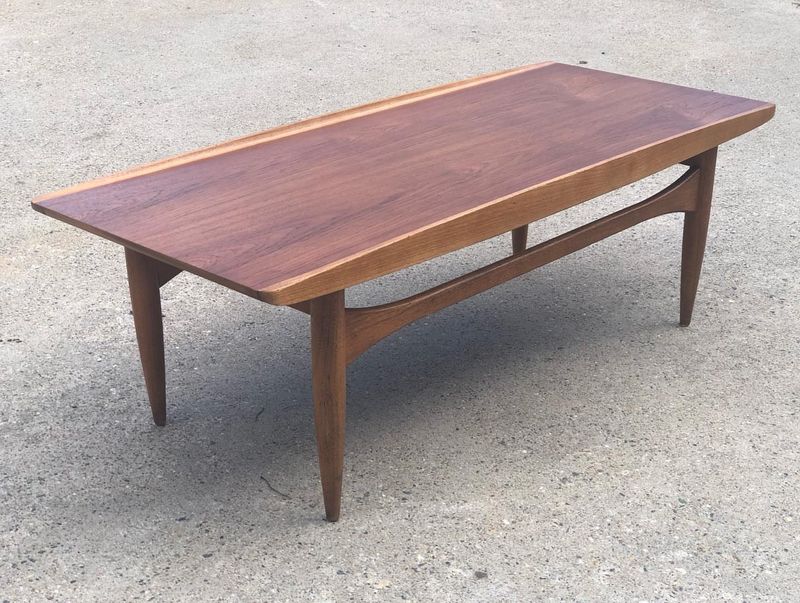
Designers particularly love mid-century teak pieces and ornate carved options that would cost a fortune new.
When thrifting, look for solid construction and good bones—surface scratches can be refinished, but structural integrity matters most. The patina of age adds character that no mass-produced piece can replicate.
2. Antique Mirrors
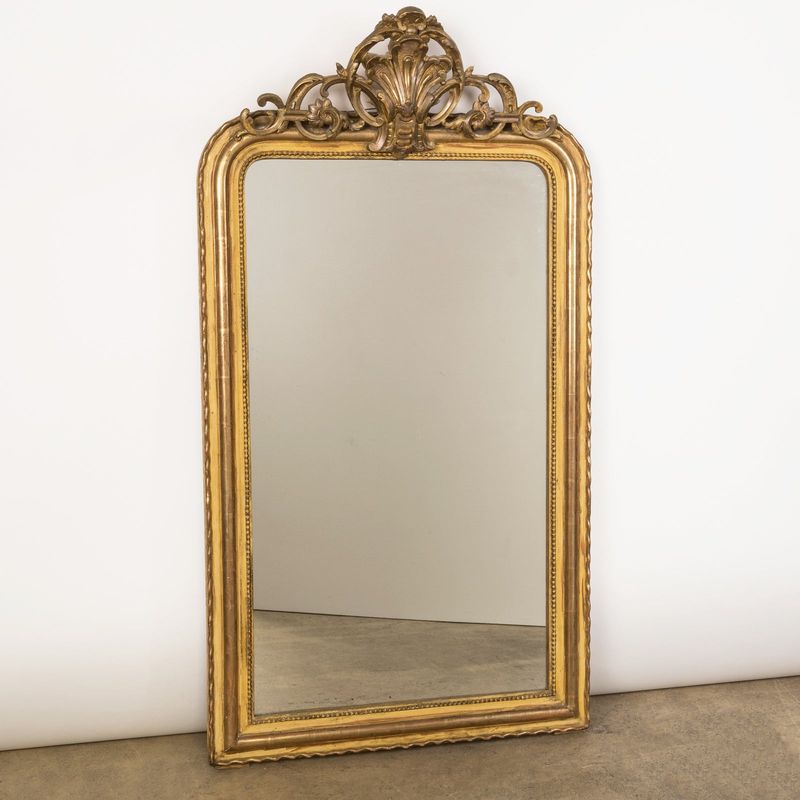
Who can resist the allure of a slightly foxed mirror that’s witnessed decades of reflections? The irregular silvering and ornate frames of vintage mirrors create visual magic in modern spaces.
Savvy designers scout for unusual shapes and gilded details that would cost hundreds at retail. Even mirrors with minor flaws can be repurposed as spectacular wall art, bringing dimension and light to darker corners.
3. Ceramic Vases
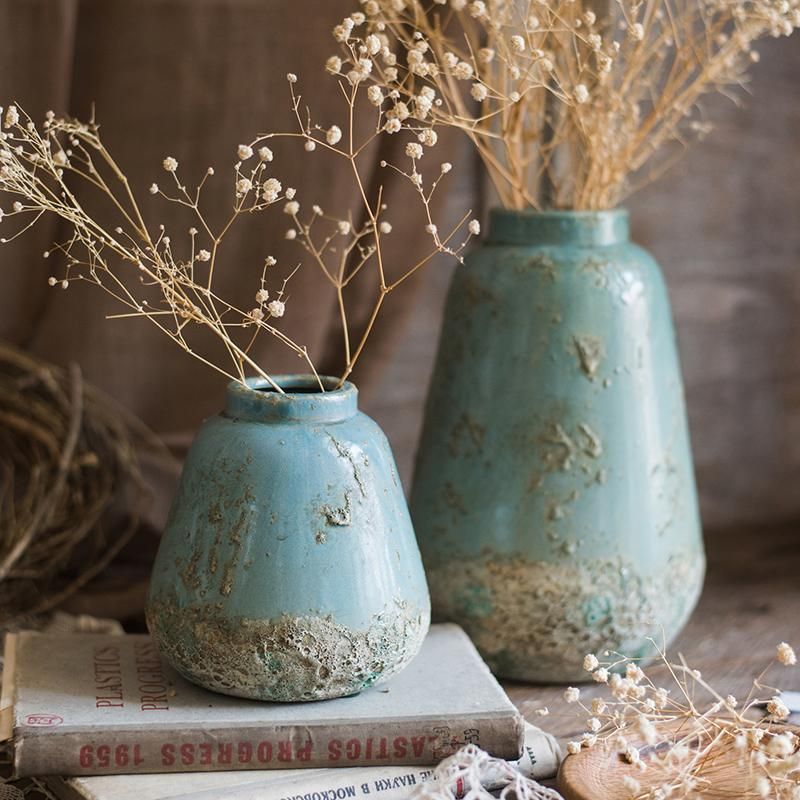
Mismatched yet harmonious, thrifted ceramic vases create that collected-over-time vibe designers adore. From mid-century modern shapes to hand-thrown pottery with unique glazes, these vessels add instant personality.
Rather than matching sets, designers select pieces with complementary colors or similar silhouettes. When arranged in small groupings, even the most modest thrift shop finds transform into sophisticated tablescapes that tell a story.
4. Brass Candlesticks
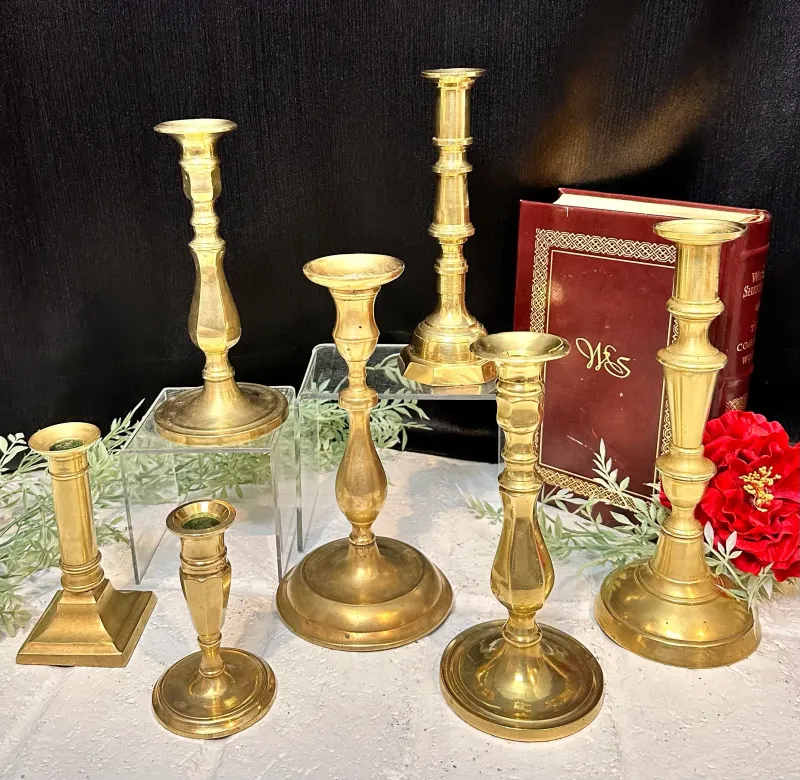
Gleaming with warm metallic charm, brass candlesticks inject instant old-world elegance into contemporary spaces. Professional decorators routinely snatch these up before they even hit the shelves.
The beauty lies in their versatility—mix different heights on mantels, dining tables, or bookshelves for dramatic effect. Many designers purposely seek tarnished pieces, as the patina adds character and depth that brand-new reproductions simply can’t achieve.
5. Woven Baskets
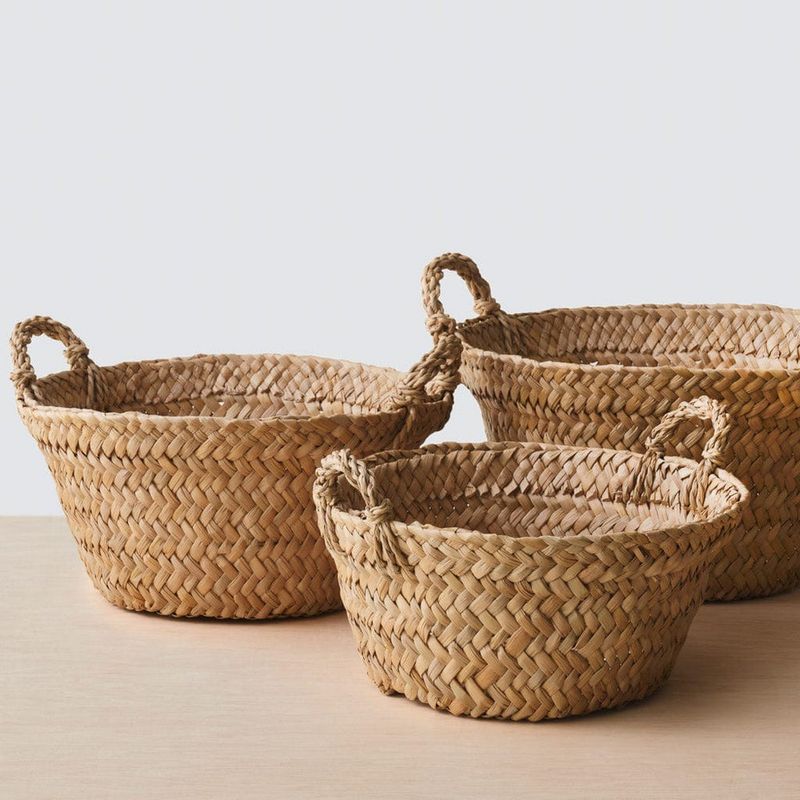
Frequently overlooked by casual shoppers, woven baskets are designer gold mines for adding texture and practical storage. From African market baskets to handwoven Native American designs, these pieces bring global flair.
Clever designers stack them in corners, hang them as wall art, or use them to corral throws and magazines. The natural materials create warmth against modern furnishings, while their handcrafted imperfections add that coveted artisanal touch.
6. Original Artwork
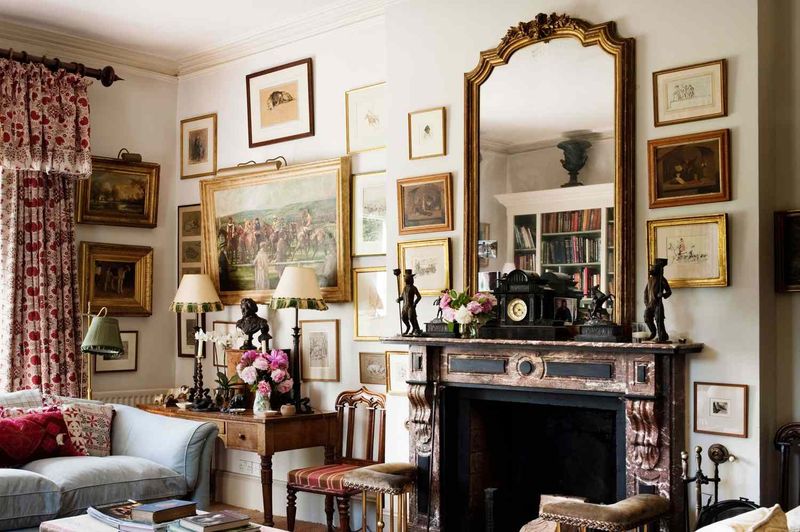
Tucked between mass-produced prints often lies original artwork waiting to be discovered by the discerning eye. Professional designers routinely flip through stacks of forgotten paintings and sketches searching for hidden gems.
Value comes not from recognizable signatures but from interesting compositions, unusual techniques, or frames with character. Many designers admit their most complimented pieces were thrift shop discoveries costing less than dinner, yet providing conversation starters for years.
7. Rattan Chairs
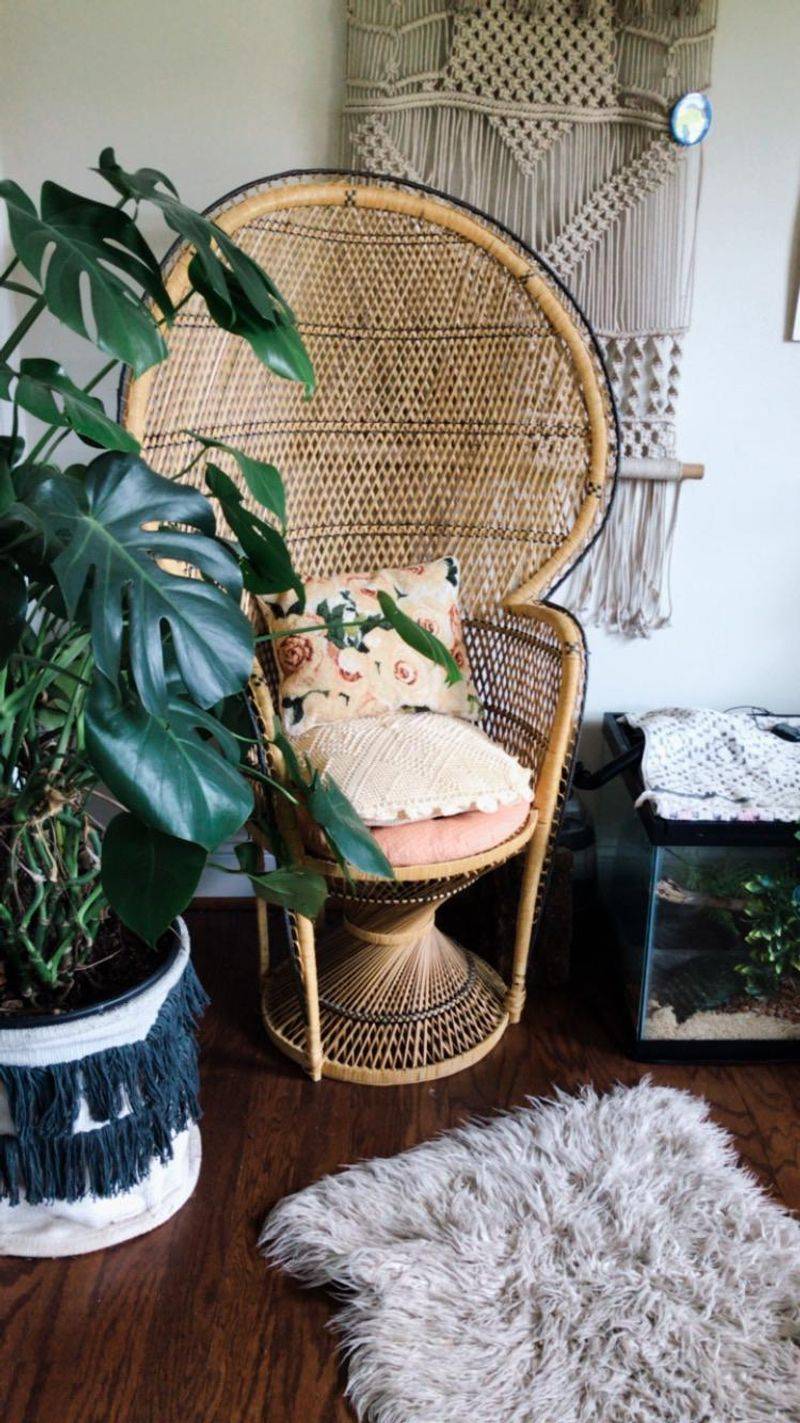
Currently fetching premium prices in trendy home stores, rattan chairs remain one of designers’ best-kept thrifting secrets. Their lightweight frames and natural materials bring airy texture to any space.
Peacock chairs, barrel-shaped loungers, and even simple dining chairs can be transformed with fresh cushions or a coat of paint. Smart decorators know these pieces cycle through trends every few decades, making vintage finds both economical and forward-thinking.
8. Mid-Century Side Tables
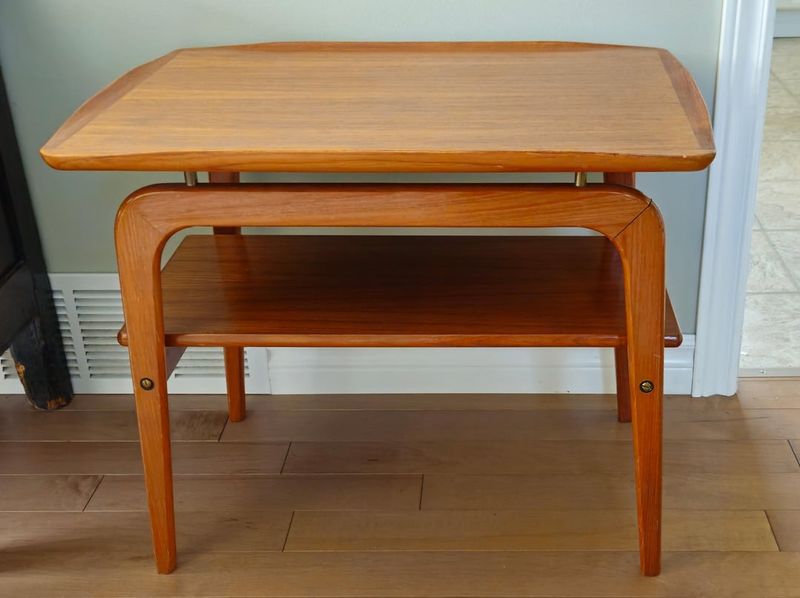
Sleek and functional, genuine mid-century side tables command premium prices in specialty stores but often languish unrecognized in thrift shops. Their clean lines and modest footprints make them perfect for today’s smaller living spaces.
Experienced designers quickly identify teak, walnut, and rosewood pieces by notable manufacturers. Even damaged specimens are worth rescuing—a light sanding, fresh oil, and those tapered legs will look as striking today as they did in 1960.
9. Carved Wood Frames
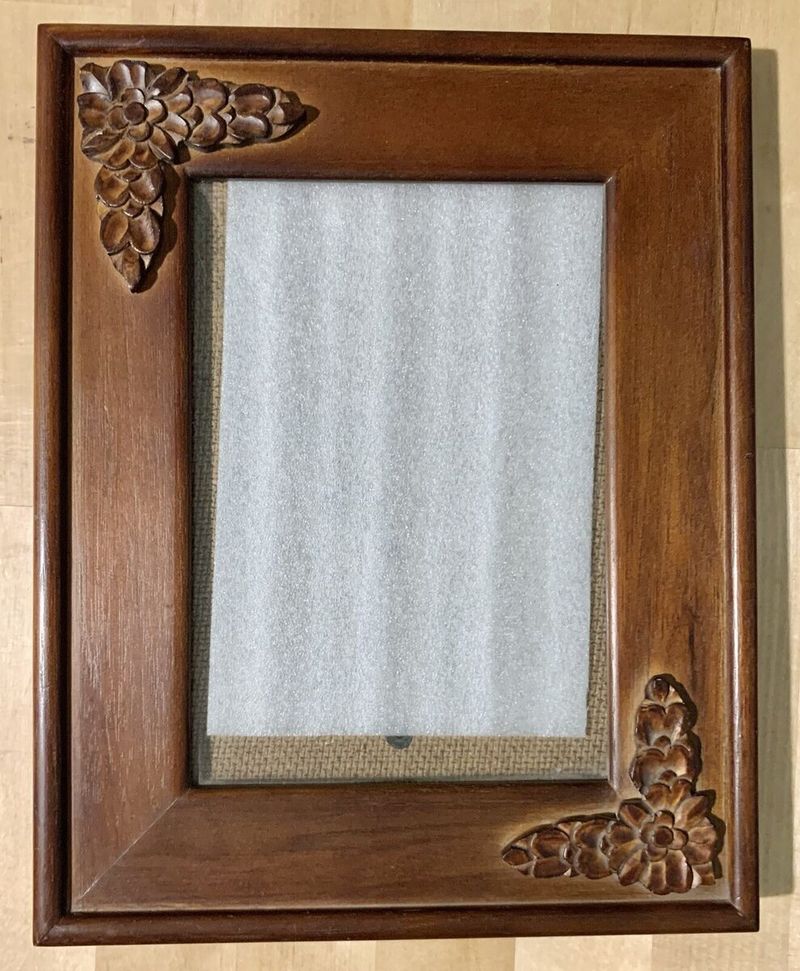
Hunting for ornate wooden frames is practically a competitive sport among designers. These architectural elements elevate even simple photographs or inexpensive prints to gallery status.
Skilled decorators often buy frames regardless of what’s inside, knowing they can reuse them for custom pieces. Gold leaf, intricate carvings, and substantial corner details create impact that flimsy modern frames can’t match. Even empty frames make striking wall compositions when grouped thoughtfully.
10. Unique Lamps
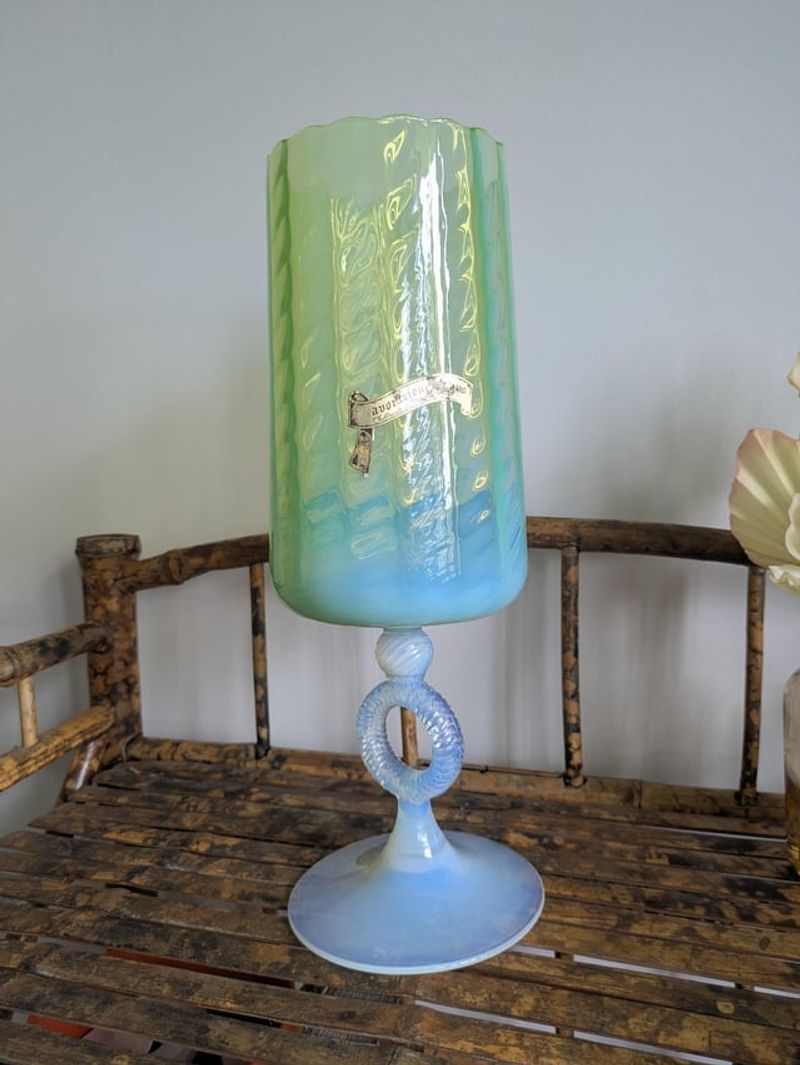
Forget mass-produced lighting—designers make beelines for one-of-a-kind lamps with character and presence. Ceramic bases with interesting glazes, sculptural metal forms, or hand-painted glass shades transform ordinary corners into focal points.
While wiring may need updating (always budget for this safety measure), the distinctive bases often can’t be replicated at any price today. Many designers admit their most-complimented lighting started as a $15 thrift shop gamble that paid off spectacularly.
11. Leather Ottomans
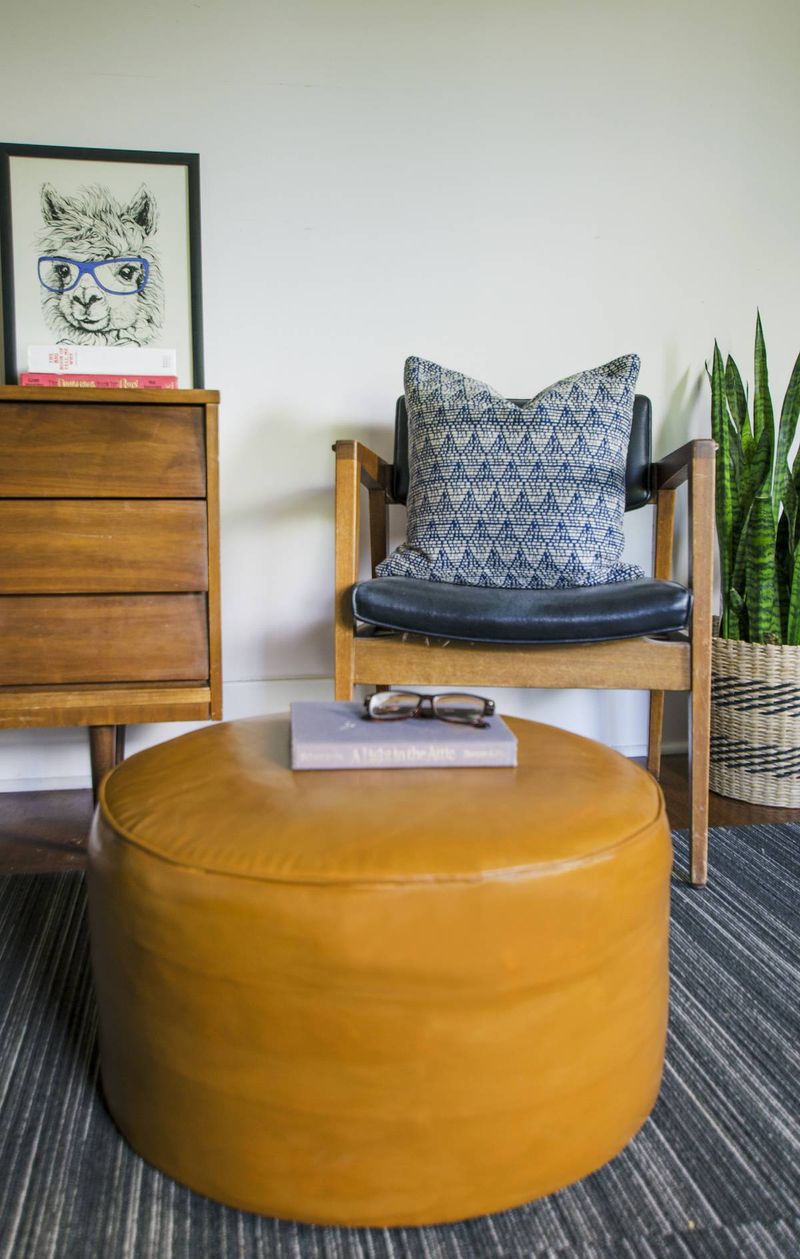
Aged to perfection, thrifted leather ottomans develop a patina and character that new pieces can’t fake. Designers gravitate toward these versatile pieces that function as coffee tables, extra seating, or footrests.
The beauty of vintage leather lies in its imperfections—slight cracking and wear marks tell stories of previous lives. When searching, focus on solid construction rather than perfect appearance. Even tired pieces can be revitalized with leather conditioner or creative reupholstery.
12. Decorative Trays
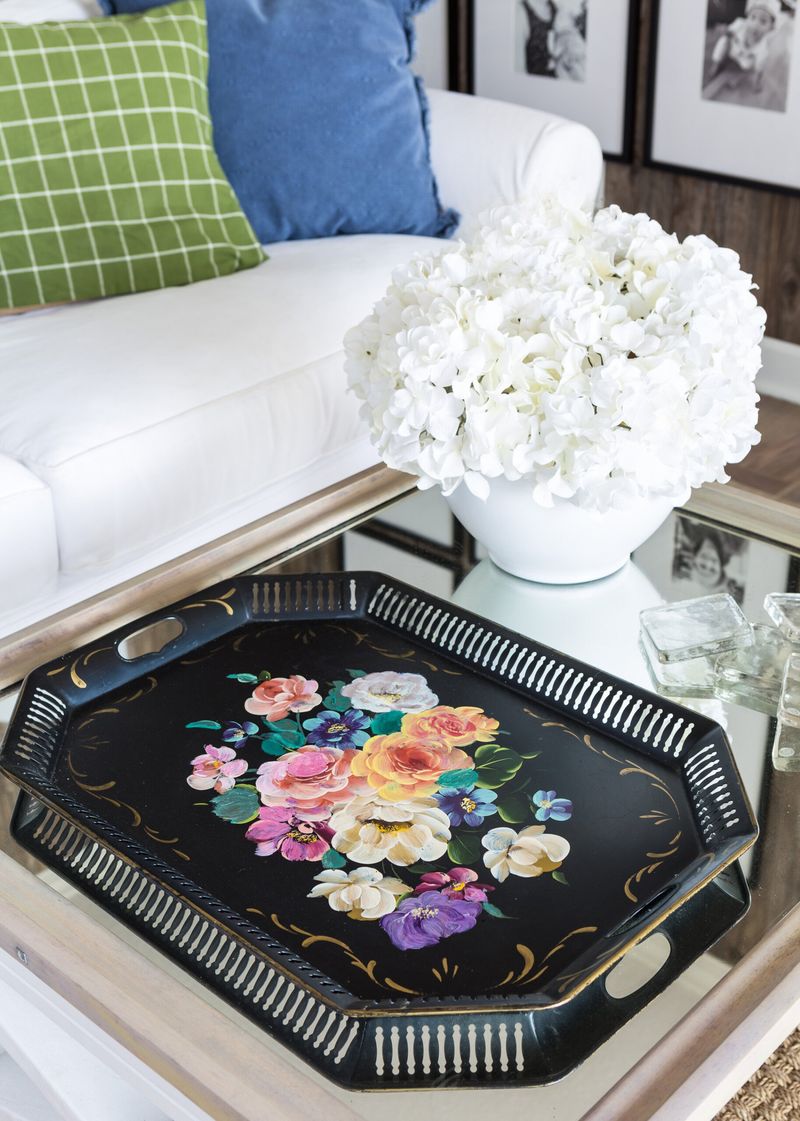
Masters of the styled vignette, designers constantly collect interesting trays from thrift shops. Silver-plated serving trays, wooden lap desks, and even ornate mirror-backed pieces become sophisticated display platforms.
Beyond their organizing function, trays visually connect disparate objects into cohesive arrangements. Even damaged specimens with character—a bit of tarnish or worn gilt edges—add authenticity to tablescapes. Many designers prefer these imperfect pieces over pristine new versions lacking history.
13. Linen Tablecloths
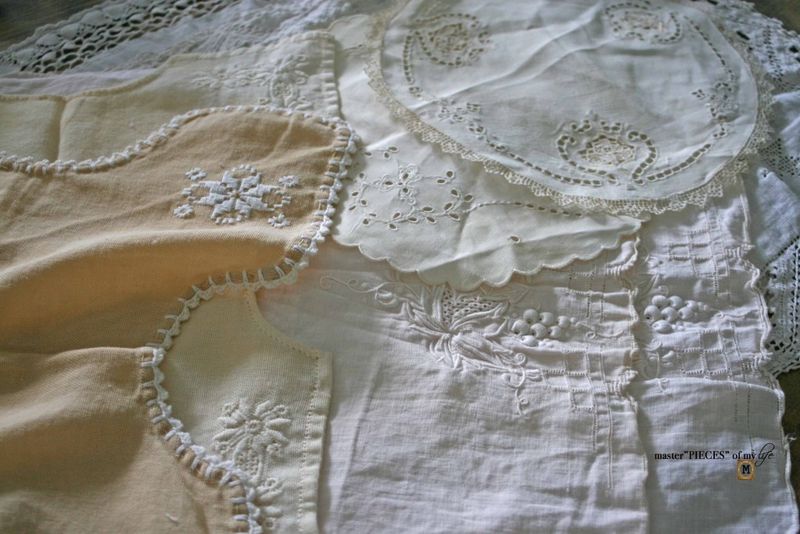
Luxurious yet practical, vintage linen tablecloths repurposed as throws or casual slipcovers bring European flair to ordinary spaces. Designers particularly prize hand-embroidered details and monograms that speak to craftsmanship rarely found today.
The slightly rumpled texture of well-washed linen adds casual sophistication that contrasts beautifully with structured furniture. Many designers admit they’ve rescued these textiles from bargain bins, seeing potential where others missed it completely.
14. Pottery Pieces
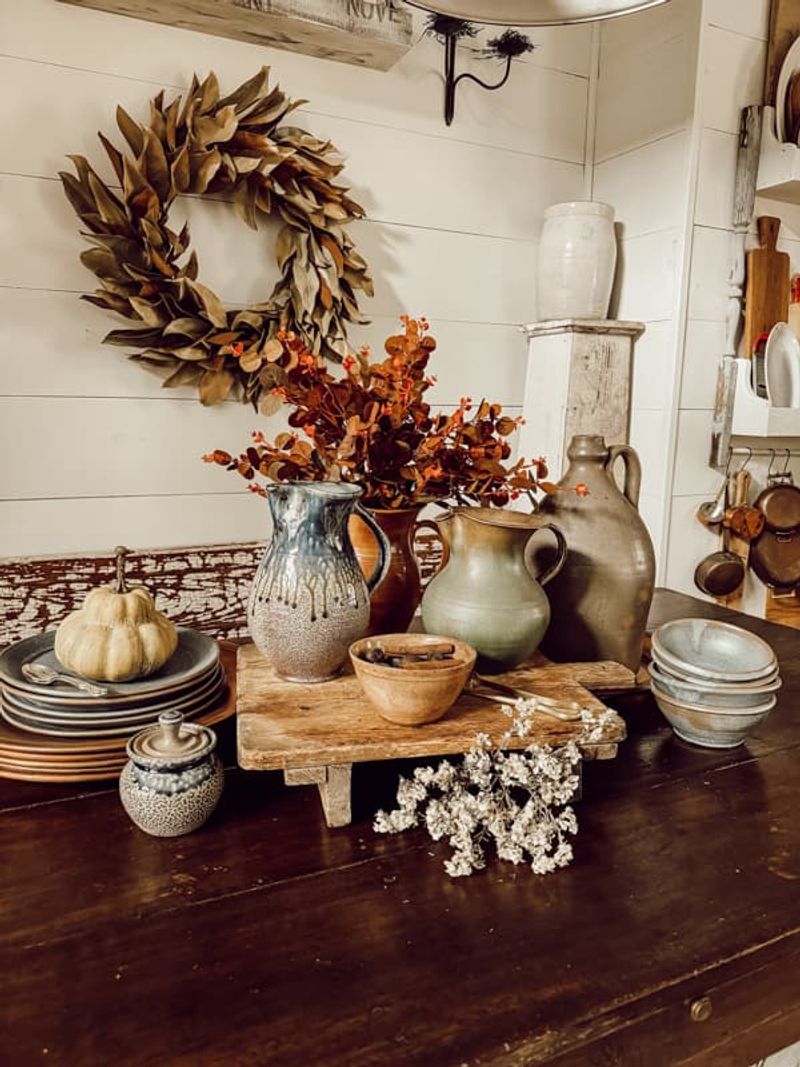
Artisanal before it was trendy, hand-thrown pottery pieces bring organic texture and one-of-a-kind character to styled surfaces. Designers train their eyes to spot quality ceramics amid mass-produced knockoffs.
The appeal lies in the imperfections—uneven glazes, visible throwing lines, and artist signatures on the bottom. Even simple bowls or planters take on sculptural importance when thoughtfully placed. Many designers prefer collecting these affordable art pieces over conventional decorative objects.
15. Fireplace Tools
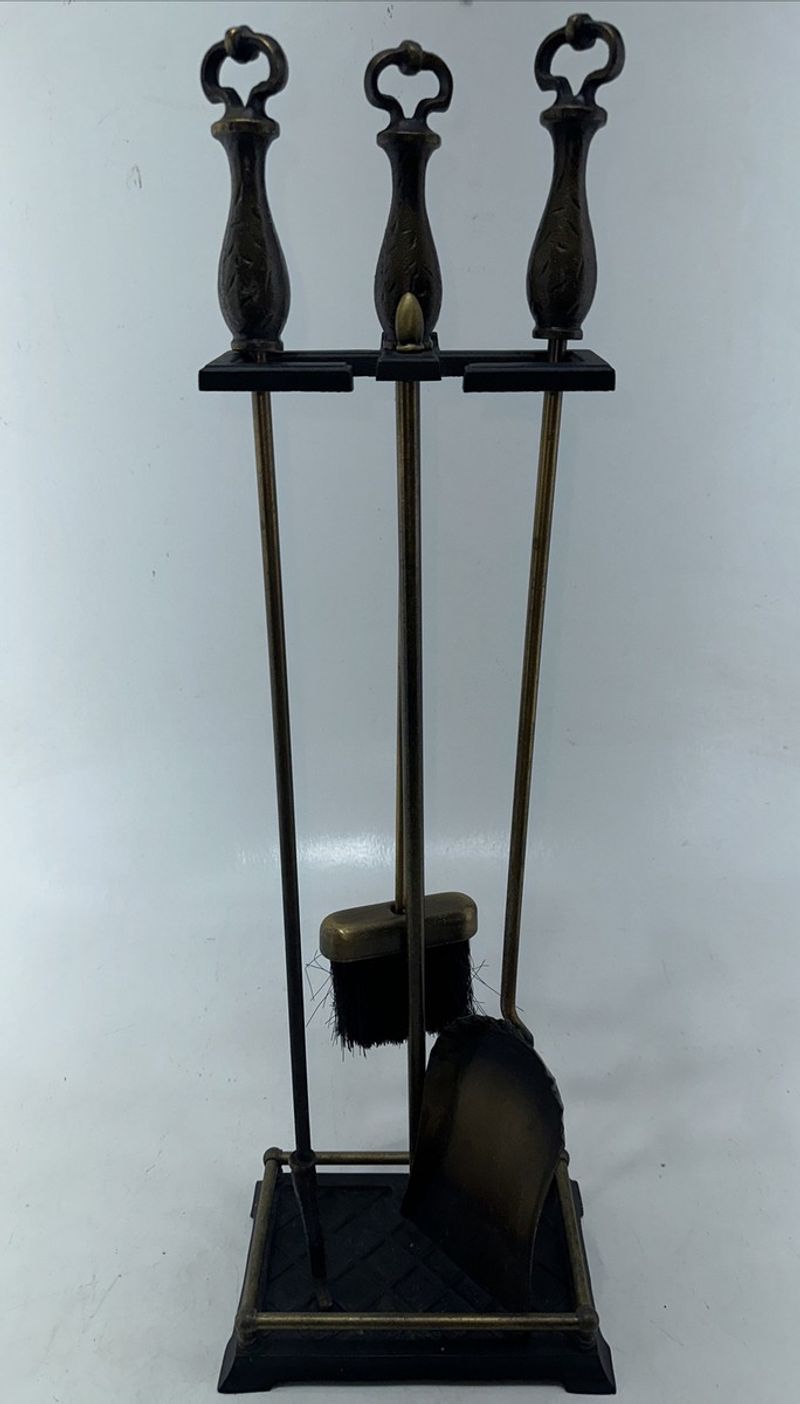
Exuding old-world charm, vintage fireplace tools bring architectural interest even to homes without working hearths. Designers scout for brass, wrought iron, and copper sets with distinctive handles and patinated finishes.
Beyond practical use, these sculptural pieces create visual anchors beside fireplaces or as standalone decorative elements. Many designers display them purely for their form, appreciating the craftsmanship of hand-forged metal that modern reproductions rarely capture with the same authenticity.
16. Old Trunks
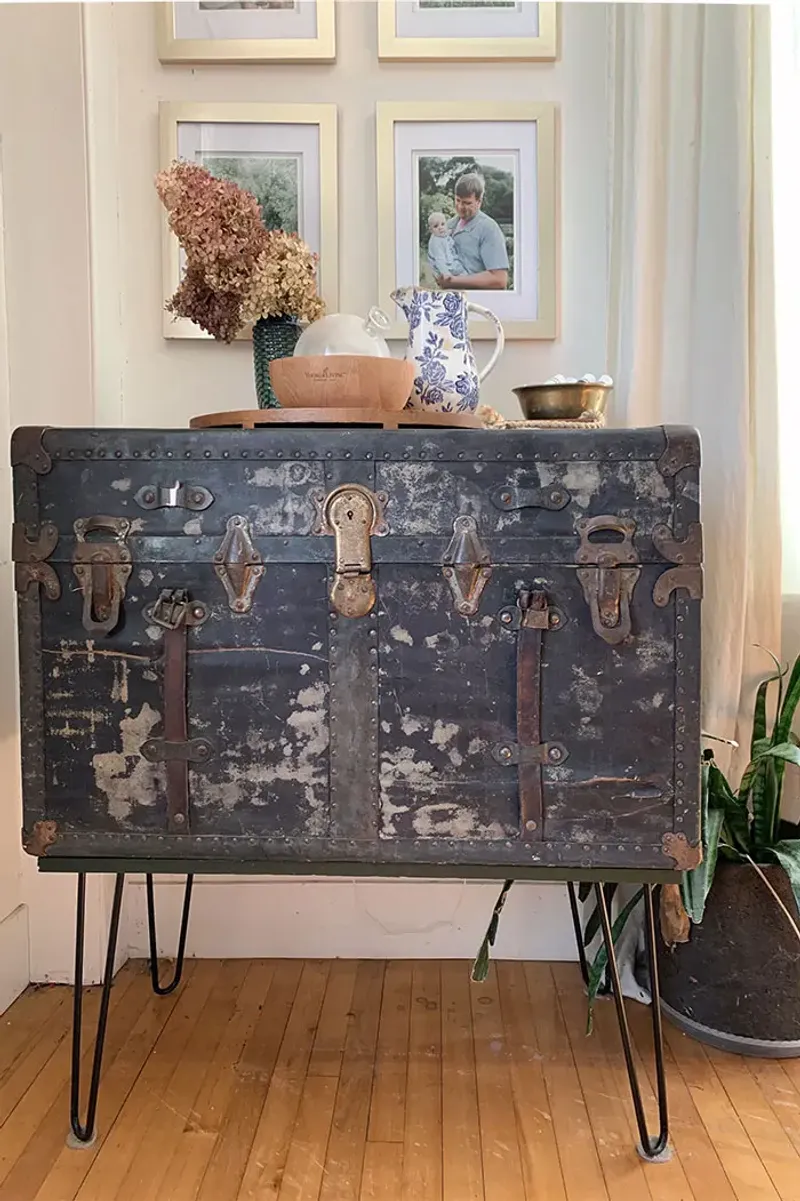
Multifunctional and character-filled, vintage trunks serve as coffee tables, storage units, and conversation pieces all at once. Designers particularly value those with original hardware, interesting linings, or evidence of travels.
The weathered leather, metal corners, and sturdy construction create substantial focal points in living spaces. Even damaged specimens hold potential—many designers intentionally showcase trunks with shipping labels or owner’s marks, seeing these imperfections as narrative elements.
17. Retro Clocks
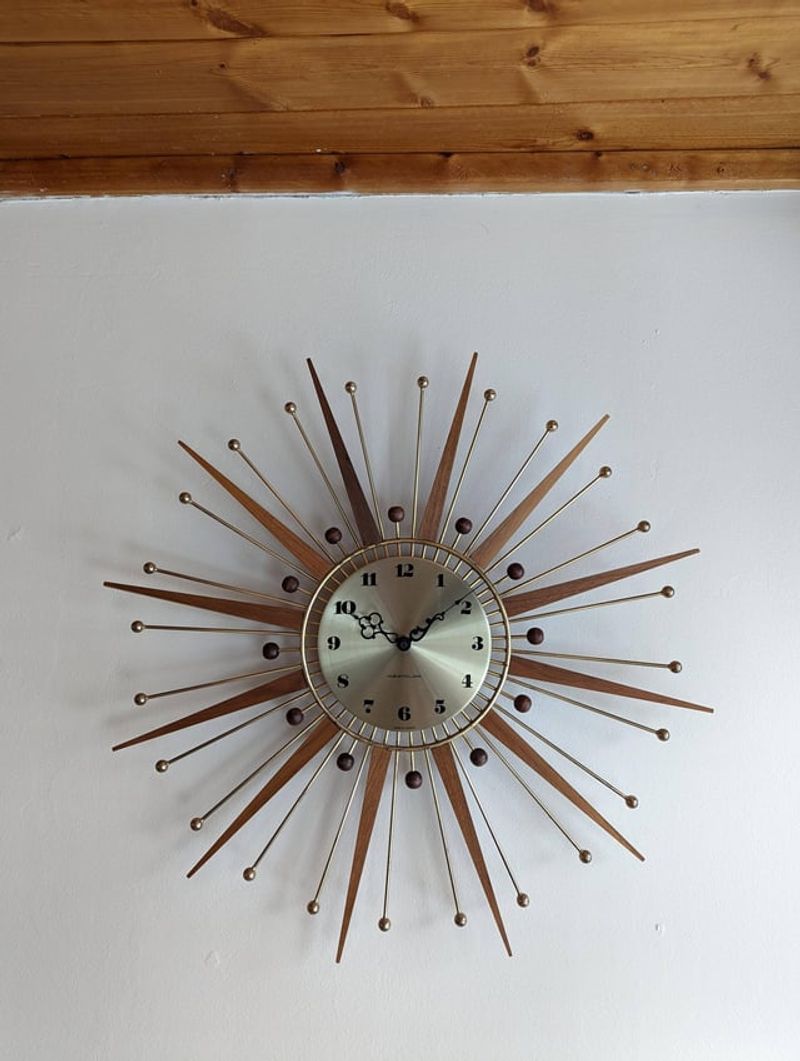
Ticking with personality, vintage clocks function as both timepieces and sculptural art in designer-created spaces. From starburst mid-century designs to ornate mantel clocks, these functional objects bring history and character.
Even non-working specimens find new life as decorative objects that mark a moment in design history. Many professionals specifically seek unusual shapes, interesting number treatments, or distinctive materials that would be prohibitively expensive if purchased new from specialty retailers.
18. Embroidered Pillows
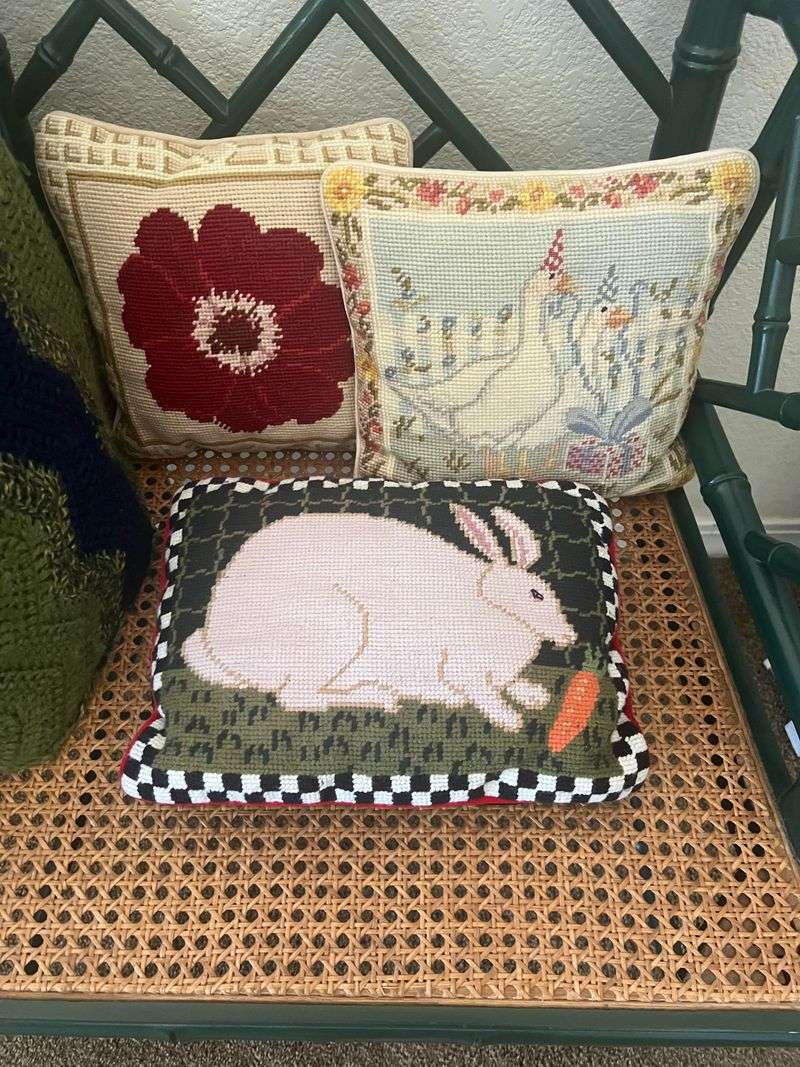
Handcrafted with patience no longer common in today’s fast fashion, vintage embroidered pillows bring color, texture, and artisanal charm to sofas and chairs. Designers treasure needlepoint scenes, crewelwork, and hand-stitched details.
Unlike mass-produced versions, these pieces feature unique color combinations and personal touches from their makers. Savvy decorators often mix these character-filled textiles with solid contemporary pillows, creating layered arrangements where the vintage pieces become the stars of the composition.