8 Colors Interior Designers Always Warn Their Clients Never To Use In A Bedroom (And 8 That Are Like Made For Bedrooms)
Color has a powerful impact on how we feel, especially in the bedroom where rest and relaxation are the ultimate goals. But not every shade is suited for winding down.
Interior designers often steer clients away from certain colors that can feel too energizing, gloomy, or even anxiety-inducing once they’re on the walls. The good news? There are also hues that instantly create a sense of calm, coziness, and comfort.
Here’s what the pros say to skip—and what to use instead—for a bedroom that truly feels like a sanctuary.
1. Bright Red
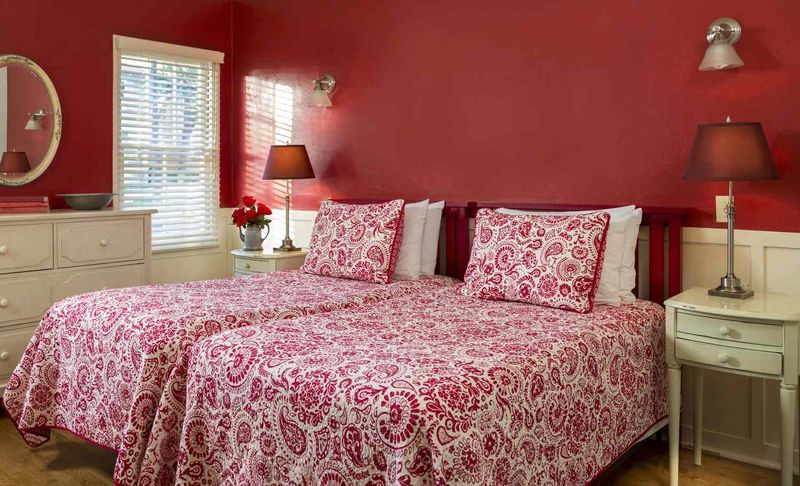
Trying to drift off to dreamland while surrounded by walls that practically scream for attention? Not very nice! Bright red stimulates the brain and increases heart rate, which is the exact opposite of what you want when winding down.
Many sleep experts compare red bedrooms to sleeping in a state of alert. The passionate shade might work wonderfully in dining rooms where conversation and energy are welcome, but in sleep spaces, it’s a definite no-go.
2. Neon Yellow
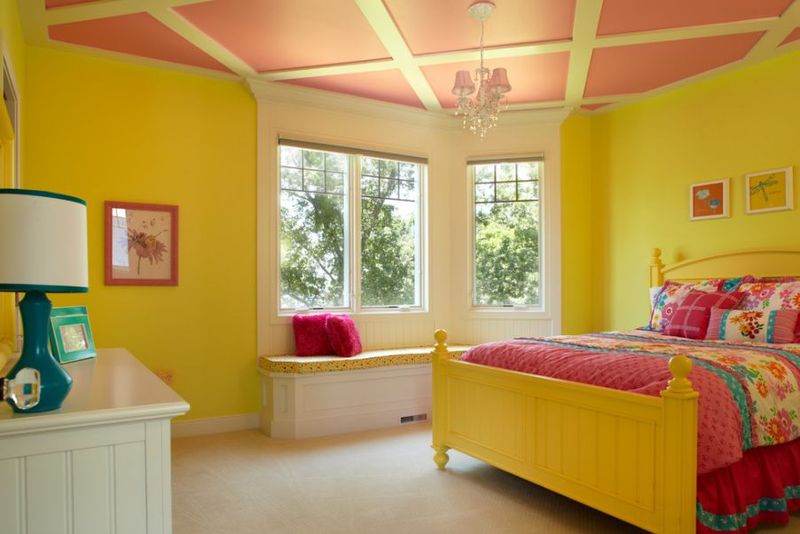
Walking into a neon yellow bedroom feels like being slapped awake by sunshine—even at midnight! This electrifying shade triggers alertness and can actually cause eye strain when you’re trying to relax.
Studies show that exposure to such intense colors before bedtime can delay melatonin production. While small yellow accents might bring cheerfulness to a space, covering your walls in this highlighter hue is a surefire recipe for counting sheep until dawn.
3. Pure White
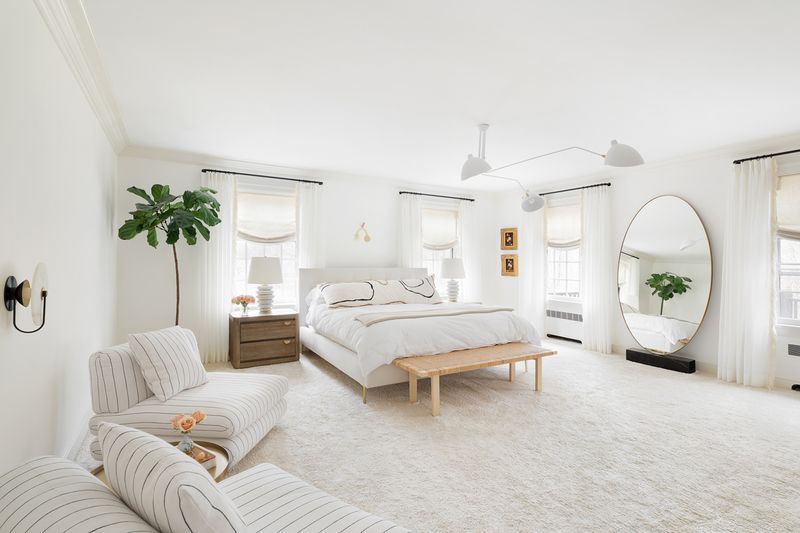
Contrary to popular belief, stark white isn’t the peaceful choice many assume it to be. Those pristine walls can create a clinical, almost hospital-like atmosphere that lacks the warmth essential for restful sleep.
Without texture or depth, pure white reflects too much light and creates a space that feels unfinished. If you’re drawn to lighter shades, designers suggest opting for soft creams or warm whites with undertones that add dimension and coziness to your personal retreat.
4. Electric Purple
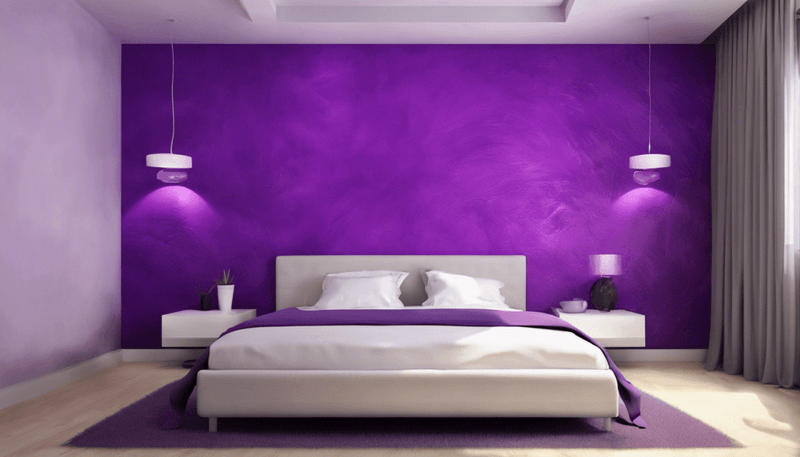
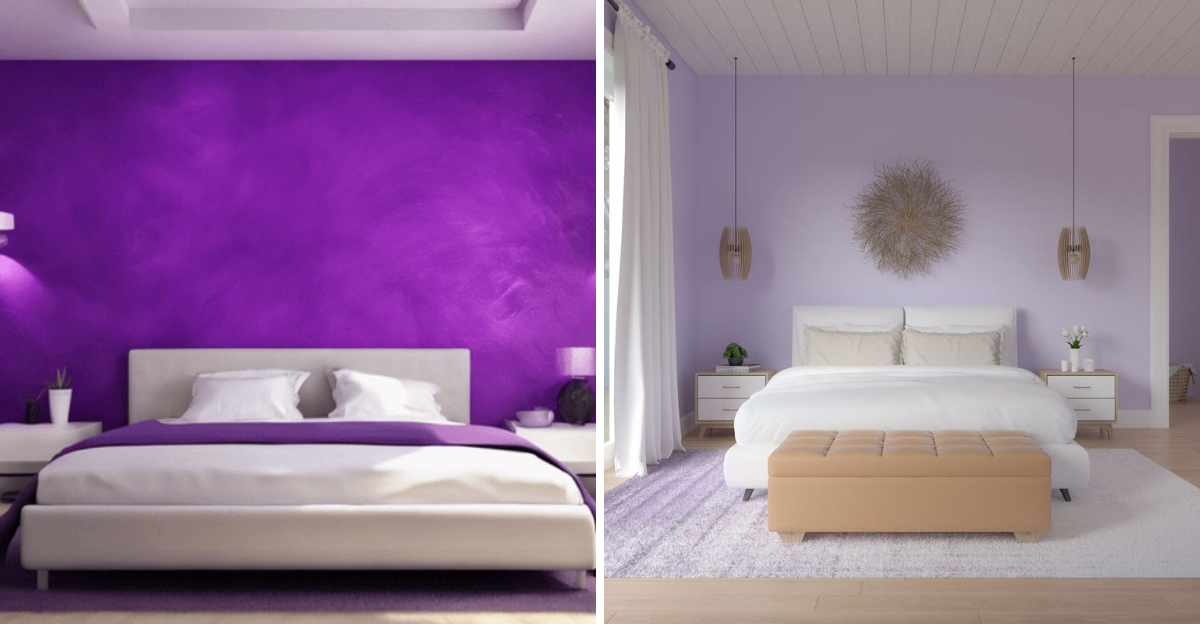
While you might adore this regal hue, electric purple packs too much visual punch for a space dedicated to rest. The vibrant energy of this color stimulates creativity and imagination—wonderful qualities but not when you’re counting sheep!
Many who’ve braved purple bedrooms report feeling oddly alert at night. If purple speaks to your soul, designers recommend softer lavender or dusty plum tones instead. These muted variations provide the purple essence you crave without the sleep-disrupting intensity.
5. Fluorescent Green
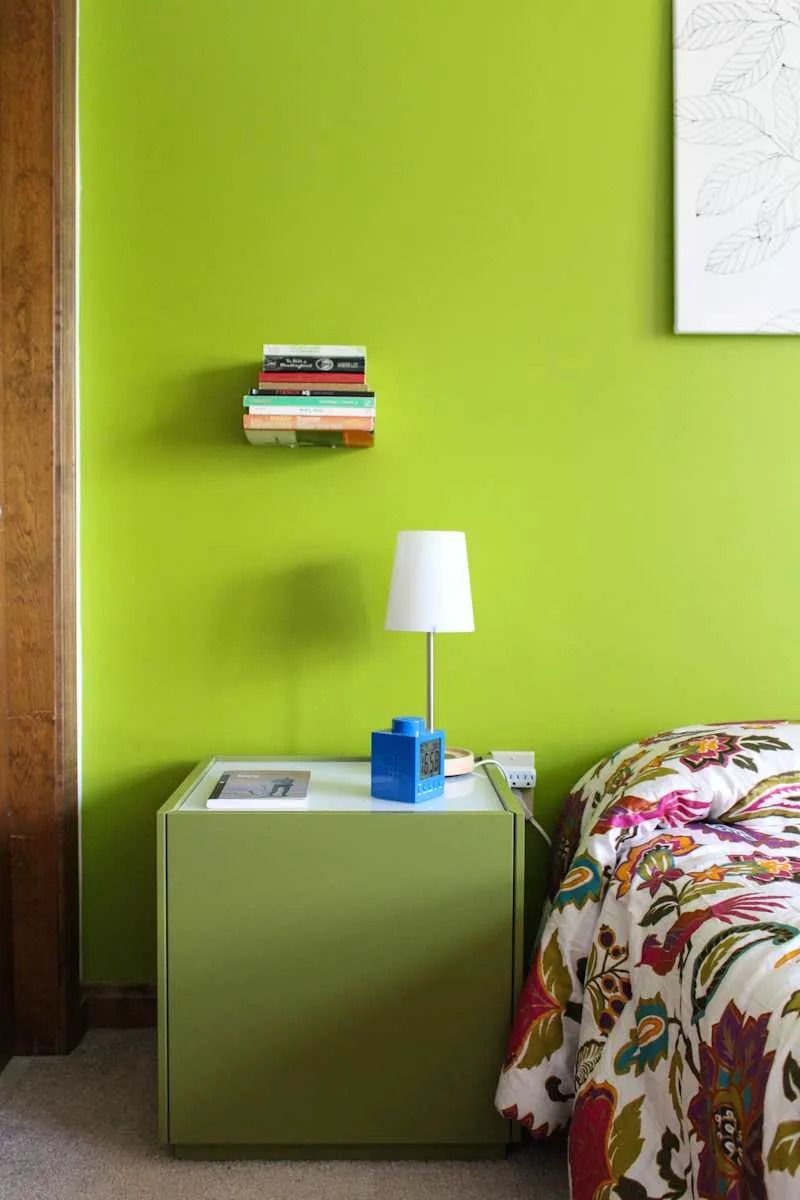
Ever tried sleeping in a glow stick? That’s essentially what a fluorescent green bedroom feels like! This unnaturally bright shade creates a space that feels perpetually illuminated, even with the lights off.
Your brain associates these highlighter-inspired tones with activity and energy. For those who love green’s connection to nature, designers suggest forest, sage, or olive greens instead. These earthy alternatives bring nature’s calming influence without the radioactive glow that keeps your mind racing all night.
6. Jet Black
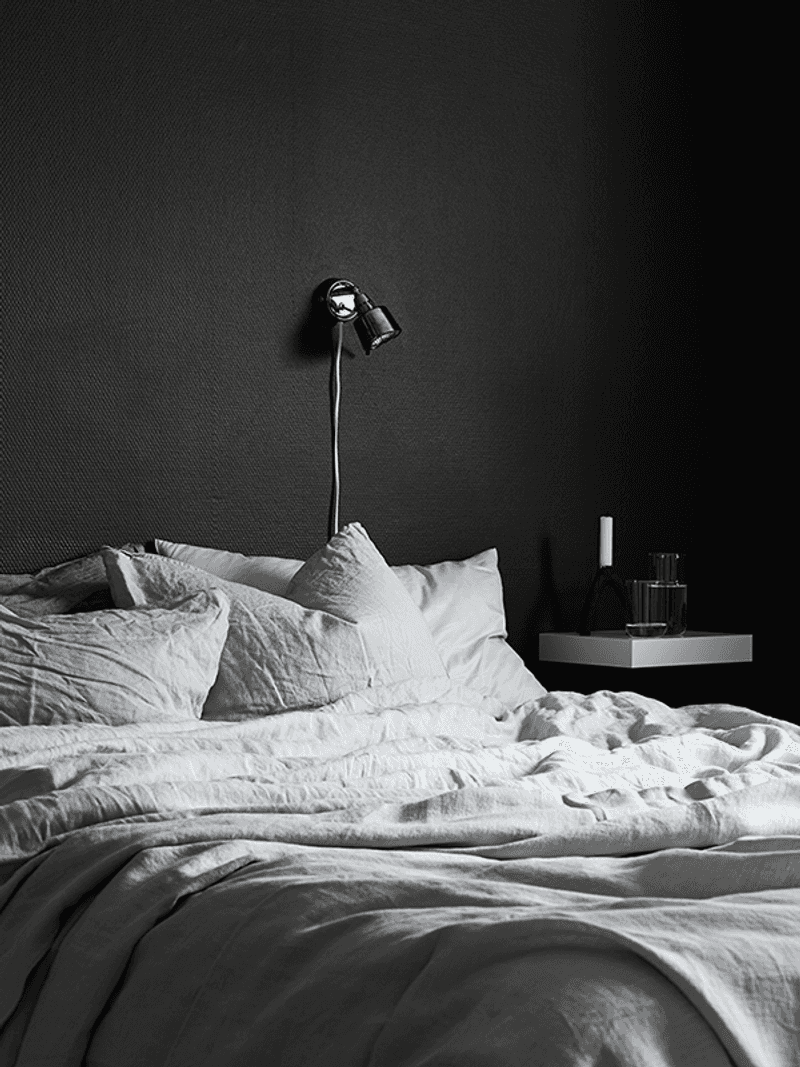
A common misconception suggests black creates a cozy cave-like sleeping environment. In reality, all-black walls can make spaces feel oppressively small, heavy, and even depressing over time.
Psychologically, being surrounded by darkness during daylight hours can disrupt your natural circadian rhythms. If you’re drawn to darker shades, designers recommend deep charcoals, navy blues, or rich chocolates instead. These alternatives provide depth without the emotional heaviness black often brings to intimate spaces.
7. Orange Sherbet

Would you eat ice cream before bedtime? That’s what designers compare bright orange bedrooms to—a sugar rush for your eyes! This energetic citrus shade stimulates conversation and activity, making it perfect for living spaces but problematic for sleep areas.
Research suggests orange environments can actually increase hunger sensations and boost metabolism. For those who love warm tones, consider terracotta, burnt sienna, or muted coral instead. These sophisticated alternatives provide warmth without the visual caffeine that keeps your brain buzzing all night.
8. Metallic Silver
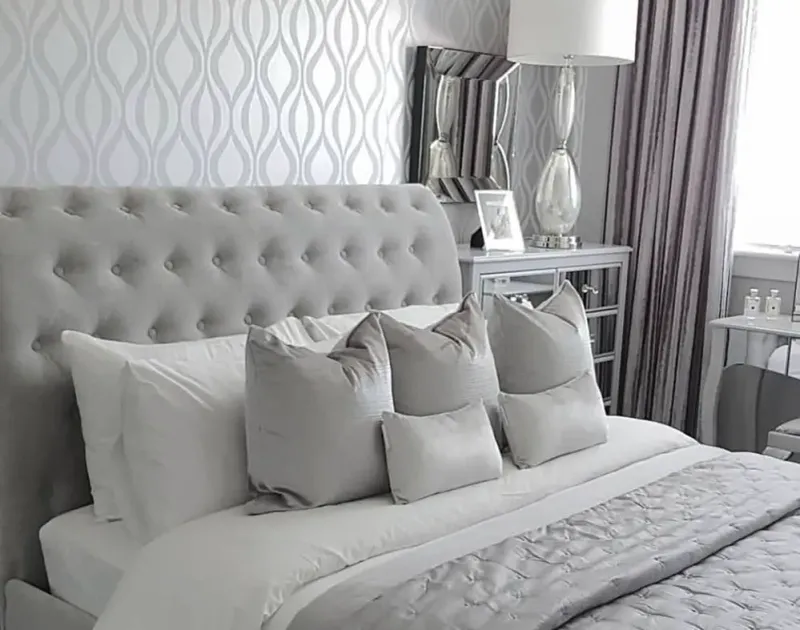
Glitzy and glamorous as it may seem, metallic silver creates reflective surfaces that bounce light around unpredictably. This disco-ball effect might be fantastic for party spaces but becomes distracting when you’re trying to wind down.
The cool undertones can also make bedrooms feel chilly and unwelcoming. If you’re attracted to silver’s modern appeal, designers suggest soft pewter or warm gray with subtle sheen instead. These sophisticated alternatives deliver contemporary elegance without turning your bedroom into a mirror maze that keeps your mind active.
1. Dusty Sage
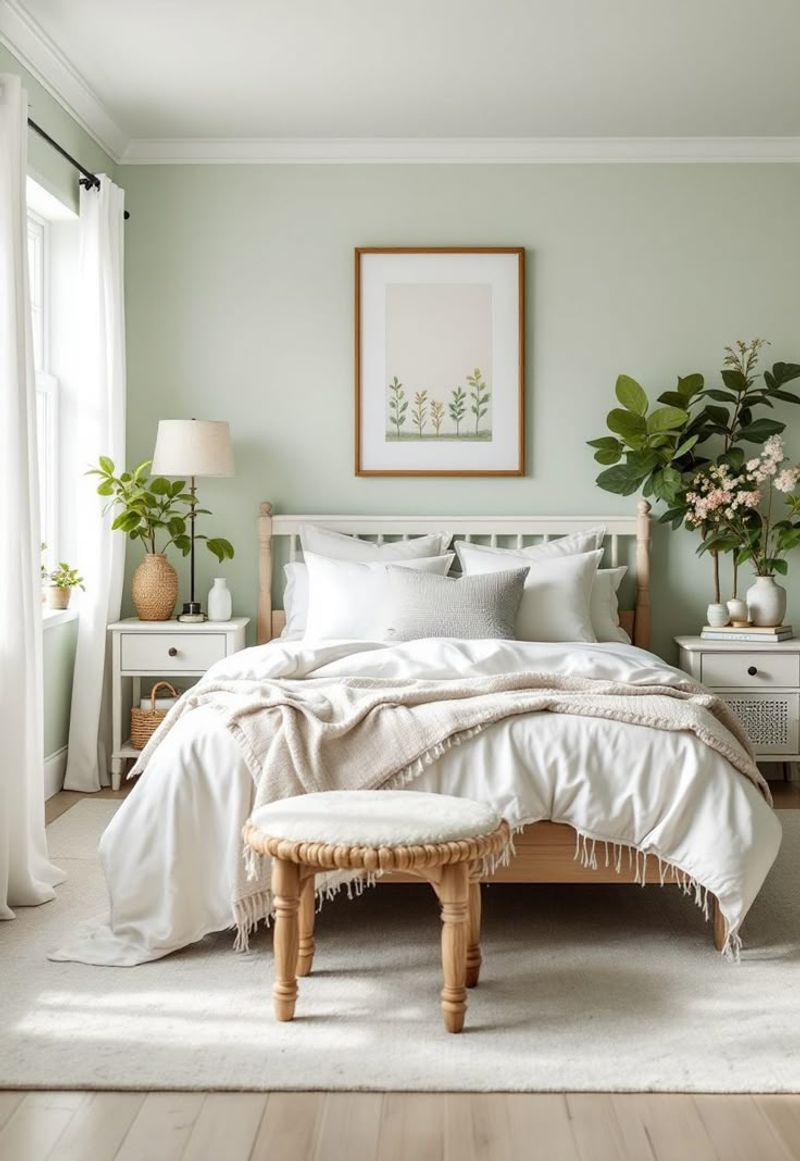
Walking into a dusty sage bedroom feels like stepping into a peaceful forest clearing. This muted green-gray hue creates a natural sanctuary that promotes deep breathing and mental clarity. Designers love how this versatile color pairs with nearly everything – from natural wood tones to brass accents and crisp linens.
Unlike brighter greens, dusty sage won’t keep you awake at night. Fun fact: Sage has been used in traditional medicine for centuries to promote calmness and mental clarity – exactly what you need in a bedroom!
2. Terracotta
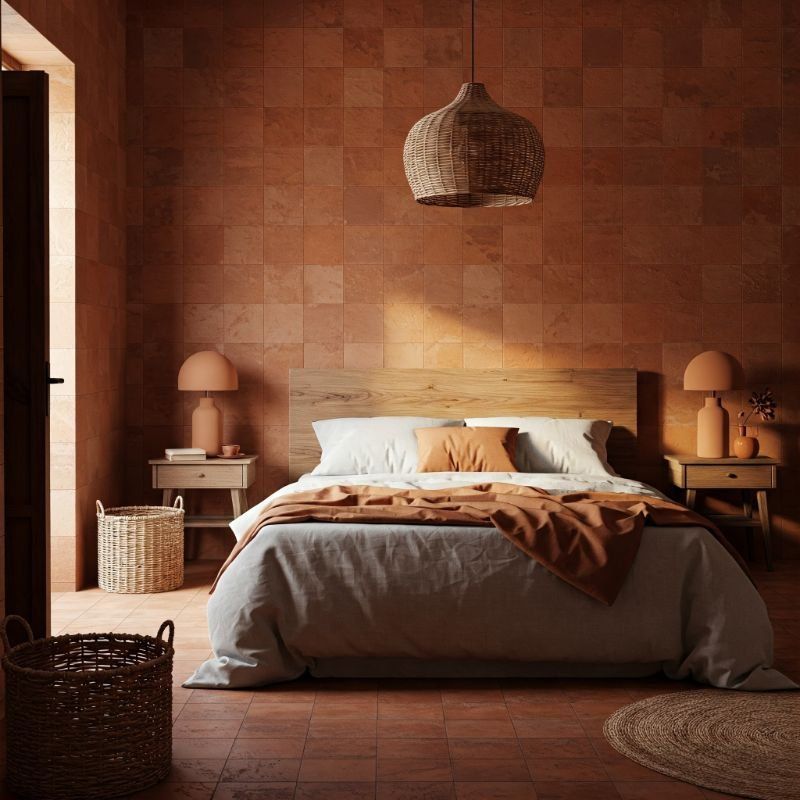
Terracotta brings earthy warmth that wraps around you like a cozy blanket. This clay-inspired hue falls between orange and brown, creating a grounding effect that modern designers are embracing for bedroom sanctuaries.
The color’s subtle warmth works beautifully in north-facing rooms that need a touch of sunshine. Pair it with cream textiles and natural materials for a Mediterranean-inspired retreat.
3. Midnight Navy
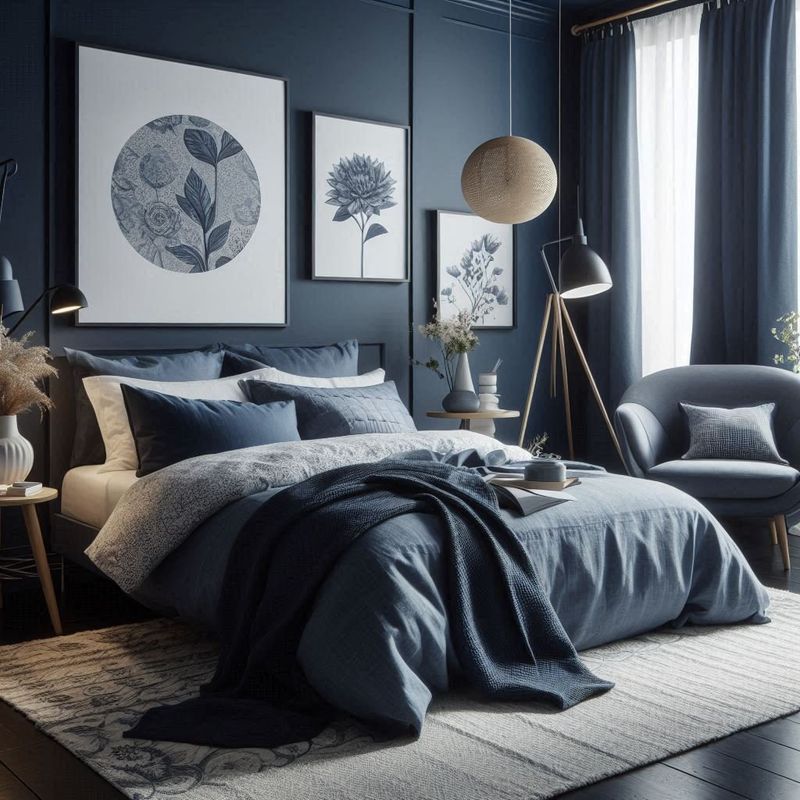
This deep, inky shade creates a cocoon-like atmosphere that actually promotes better sleep quality according to color psychology studies. Contrary to popular belief, dark colors can make bedrooms feel larger by blurring the boundaries of walls.
The key is balancing with lighter textiles and reflective surfaces. Historical tidbit: Navy blue got its name from the British Royal Navy, who adopted the color for uniforms in 1748 – bringing the same authority and calm to your bedroom walls.
4. Lavender Mist
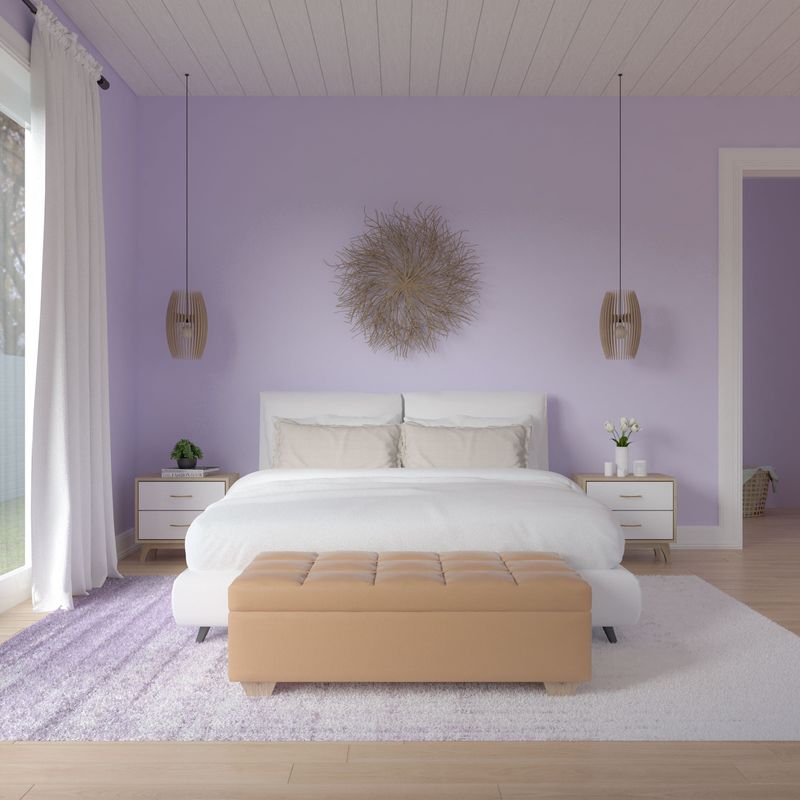
Surprised to see purple on this list? Designers are reclaiming lavender from its dated reputation and embracing its softer, grayer incarnations for sleep spaces. Lavender mist – a barely-there purple with gray undertones – triggers the same relaxation response as actual lavender flowers.
Studies show exposure to this shade can lower heart rate and blood pressure, making it perfect for bedrooms. Ancient Romans valued lavender for its soothing properties, bathing in lavender-infused water before sleep – now you can surround yourself with its visual equivalent for similar benefits.
5. Buttery Ochre
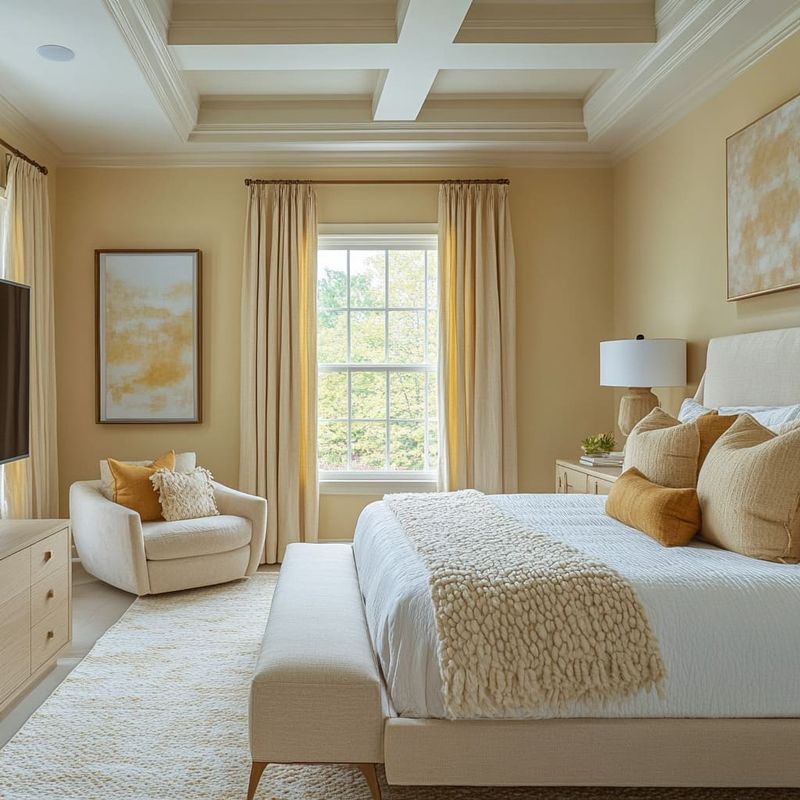
Bold yet surprisingly restful, buttery ochre brings golden-hour warmth to bedroom walls year-round. This earthy yellow-gold creates a sunny backdrop without the jarring brightness of primary yellows.
The color’s warm undertones create a perpetual sunset glow that feels both energizing and calming. Ochre pigments have been used in art since prehistoric times – cave paintings dating back 17,000 years featured this enduring hue, proving its timeless appeal to the human psyche.
6. Misty Teal
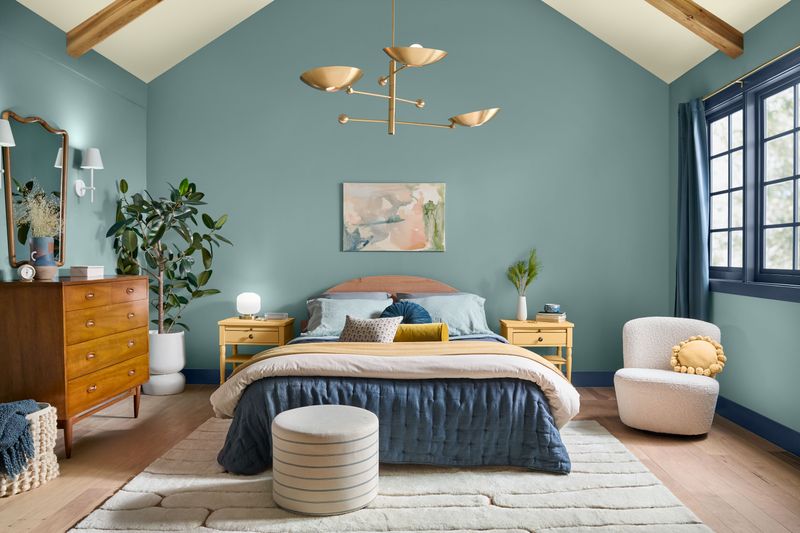
Imagine the tranquility of ocean depths captured in your bedroom walls. Misty teal combines the calming properties of blue with the grounding elements of green, creating a balanced atmosphere that promotes restorative sleep.
Designer secret: This shade appears differently throughout the day, shifting from more blue in morning light to greener at sunset. This subtle changeability keeps the space feeling fresh and dynamic.
7. Charcoal Taupe
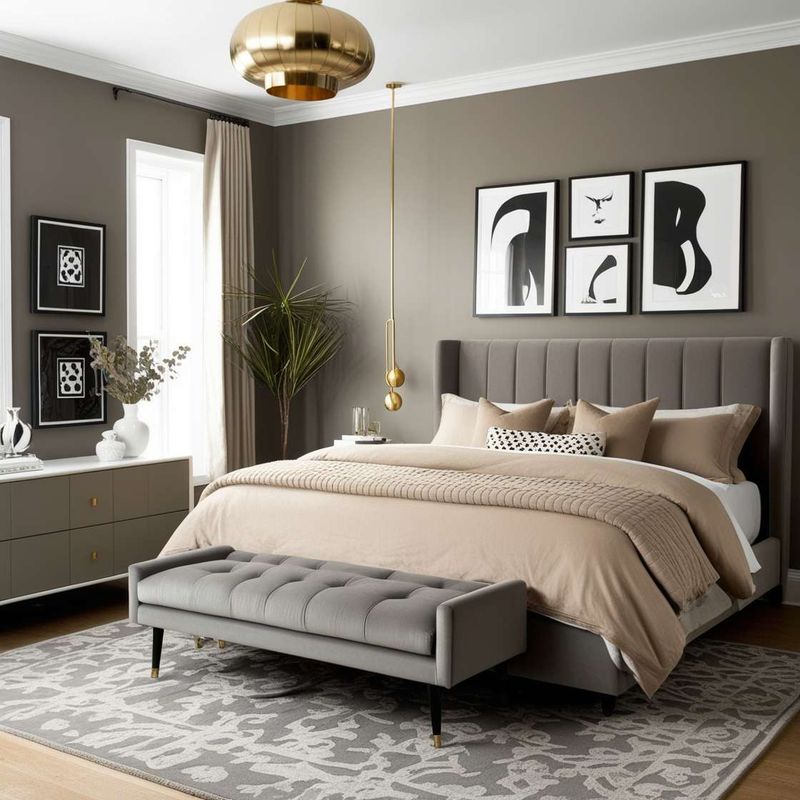
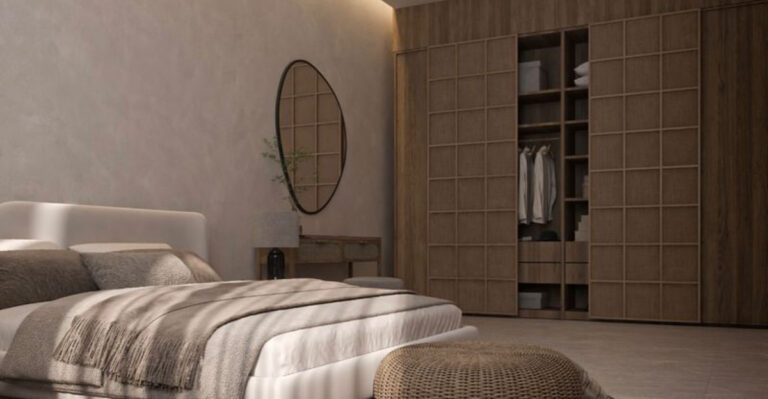
Neither fully gray nor brown, charcoal taupe creates depth without darkness in bedroom spaces. This sophisticated neutral has warm undertones that prevent the coldness sometimes associated with traditional grays.
Designers favor this shade for its chameleon-like ability to shift appearance based on lighting and neighboring colors. The word “taupe” comes from the French word for “mole” – reflecting this color’s natural, earthy quality that creates a perfectly balanced backdrop for both sleep and wakefulness.
8. Blush Sandstone
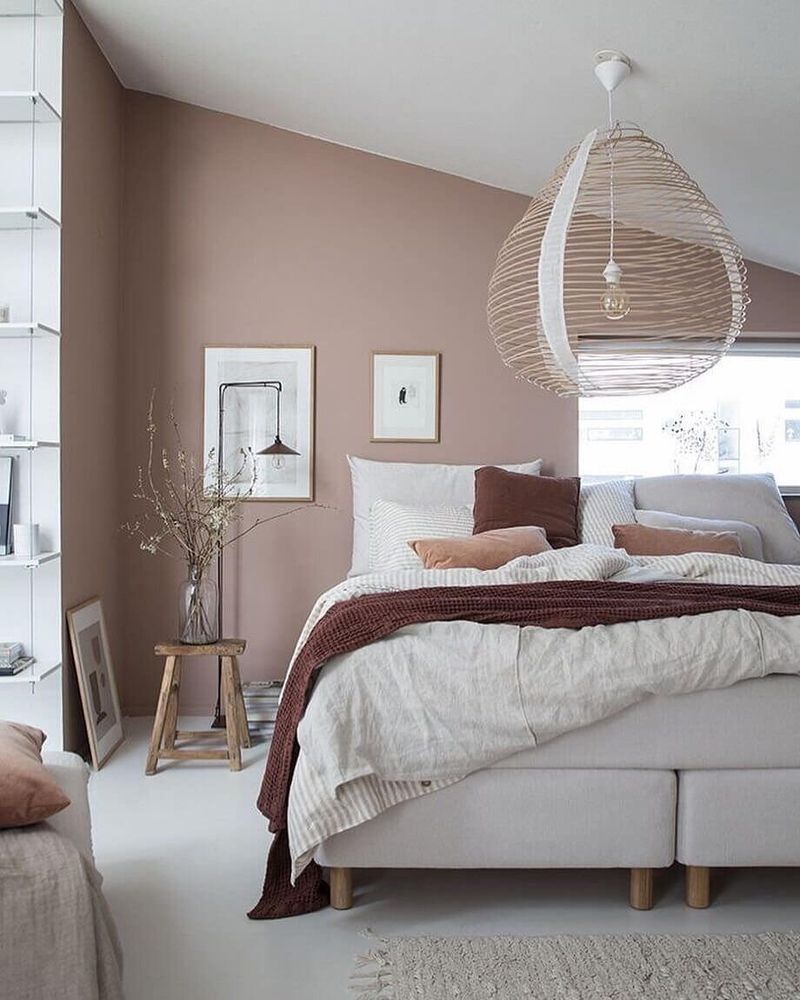
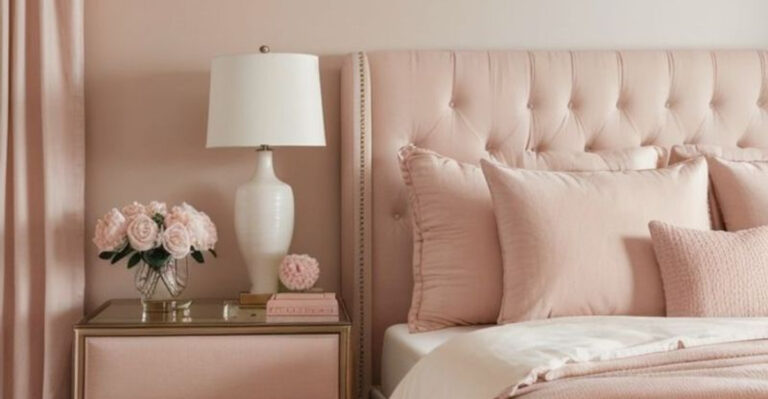
Forget baby pink – blush sandstone brings grown-up sophistication to bedroom spaces. This complex neutral with subtle pink undertones reflects skin tones beautifully, creating a flattering glow throughout the room.
The earthiness of sandstone tempers the sweetness of pink, creating balance that works for all genders and ages. Ancient Egyptian palaces used similar pink-hued sandstone for royal bedchambers, believing the color promoted beauty and peaceful dreams – benefits modern designers still attribute to this timeless shade.