
17 Things Wealthy Eyes Catch Right Away in Working-Class Houses
Ever wonder what wealthy people notice when they step into a working-class home? The differences aren’t just about money – they’re about priorities, lifestyle choices, and available resources.
Flooring, fixtures, and finishes often reveal subtle clues that signal economic contrasts, even if they go unspoken.
1. Worn or outdated flooring
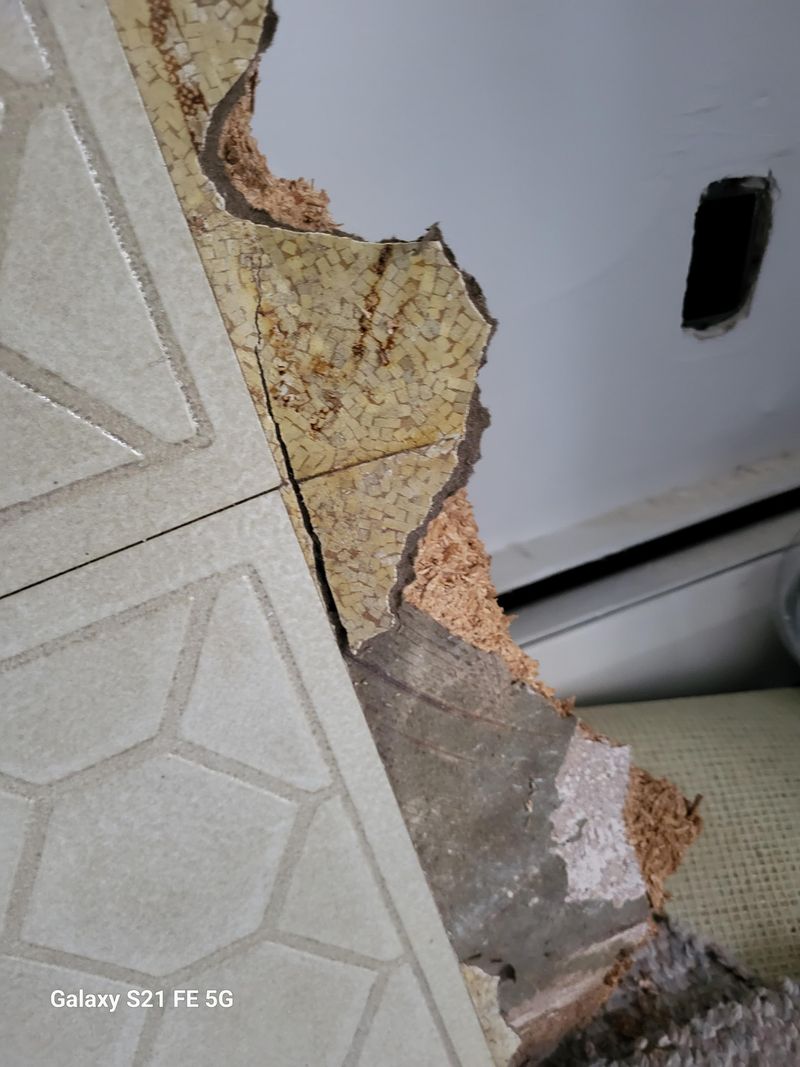
Walking across cracked linoleum or threadbare carpet immediately signals budget constraints to affluent visitors. Many working families postpone flooring updates since they’re expensive and disruptive.
Quality flooring represents a significant investment that many households simply can’t prioritize when facing more urgent expenses like medical bills or car repairs.
2. Visible clutter in common areas

Space constraints often force working families to store items in plain sight rather than in dedicated storage rooms or walk-in closets. Stacks of mail, school papers, and everyday items accumulate on countertops and tables.
Without the luxury of ample square footage or household help, maintaining magazine-worthy tidiness becomes a daily challenge that many working parents simply can’t meet after long work shifts.
3. Mismatched or old furniture
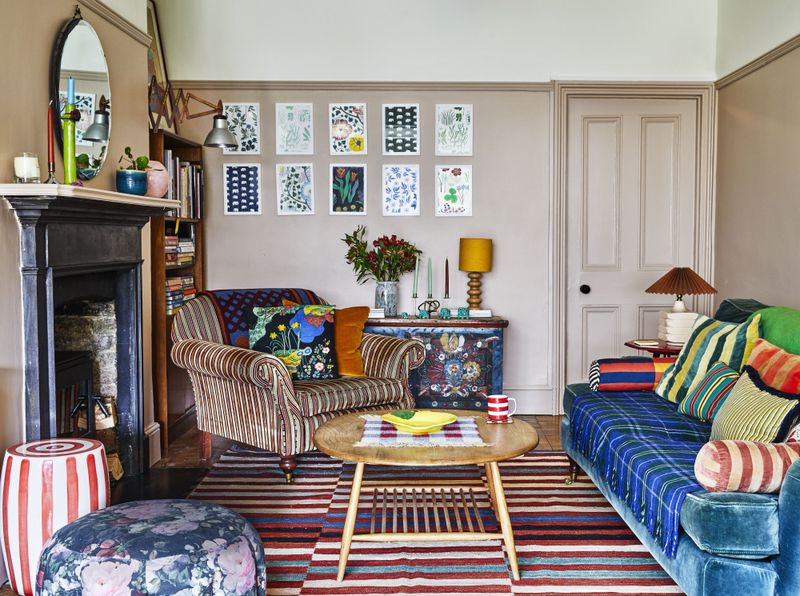
Hand-me-downs and piece-by-piece acquisitions create an eclectic look that wealthy eyes immediately register. Rather than purchasing coordinated sets, working families often collect furniture over time as finances allow. Practicality trumps aesthetics when a comfortable secondhand couch costs a fraction of a designer piece.
4. Faded or peeling paint
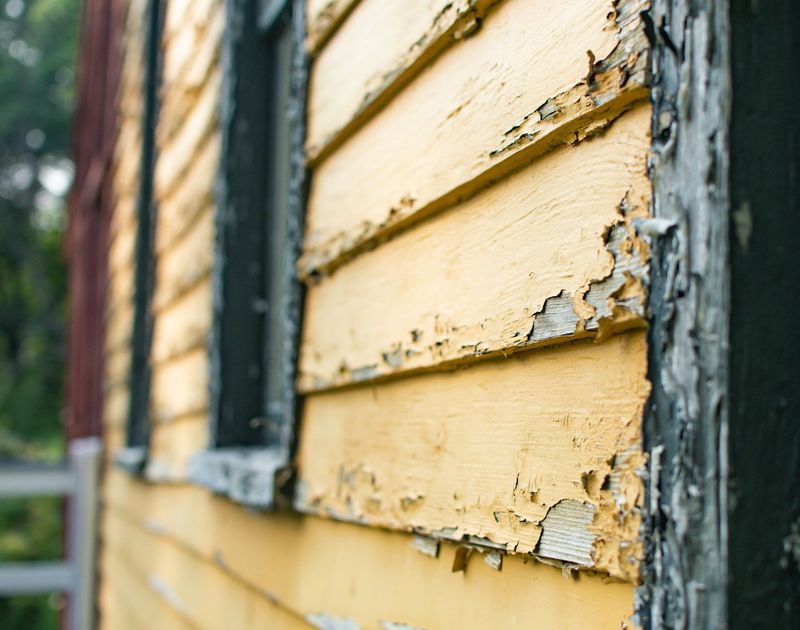
Fresh paint transforms spaces but falls low on the priority list when budgets are tight. Scuff marks, handprints, and worn areas around light switches become part of the home’s character rather than immediate fix-it projects.
Professional painting services cost hundreds or thousands of dollars—money that working families often need for essentials. DIY painting requires time off work, supplies, and skills that not everyone has readily available.
5. Lack of cohesive decor style
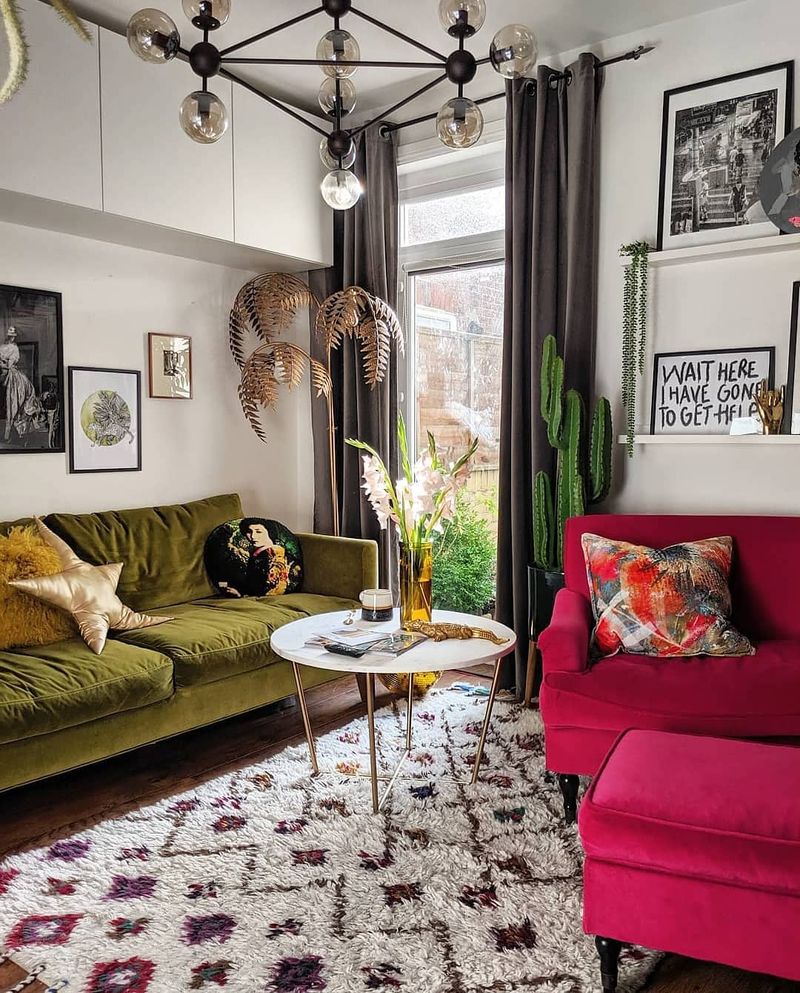
Mix-and-match decorating happens naturally when items are acquired gradually over years rather than during one shopping spree with an interior designer. Wealthy visitors might notice the absence of a unified color scheme or design concept.
Working-class homes often showcase meaningful personal items rather than trendy decorative pieces chosen to match a specific aesthetic. Family photos, children’s artwork, and sentimental keepsakes take precedence over coordinated decor elements.
6. Basic or dated light fixtures
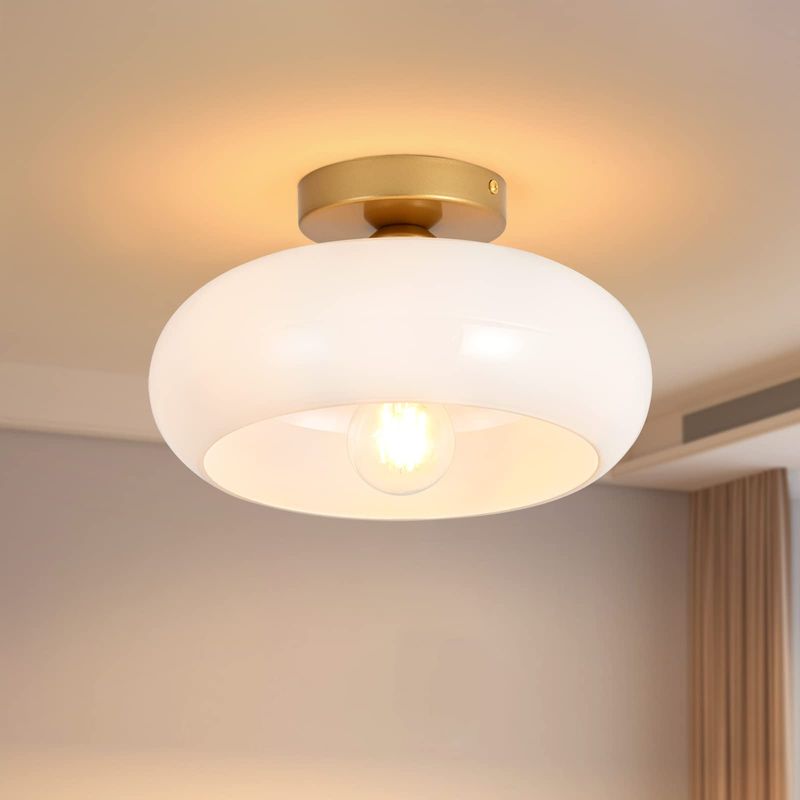
Glancing upward, wealthy visitors might notice the standard builder-grade ceiling lights or fixtures that have remained unchanged since installation decades ago.
Lighting upgrades often seem purely cosmetic when working within tight budgets. Modern light fixtures can cost hundreds per unit, making them a luxury purchase rather than a necessity.
7. Minimal use of natural light
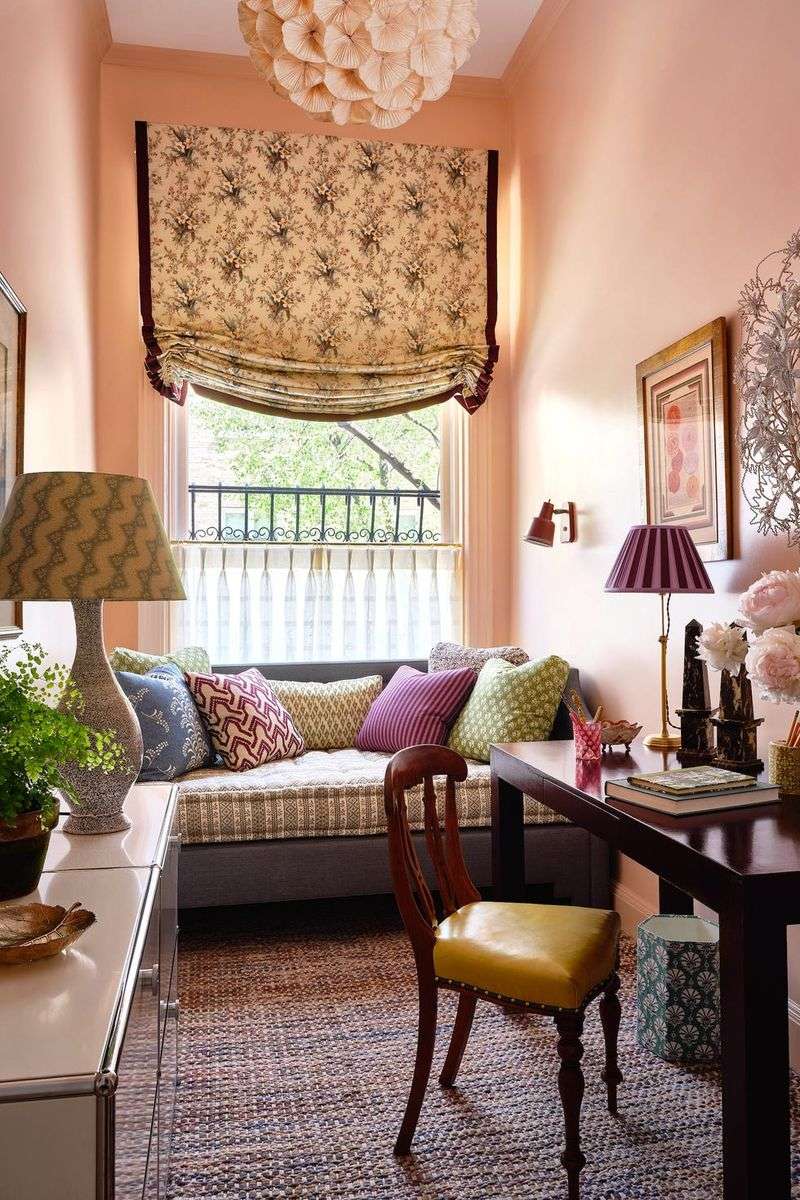
Window treatments in working-class homes often prioritize privacy and insulation over aesthetic appeal or light optimization. Heavy curtains or blinds might remain closed to help with temperature control and reduce energy bills.
Affluent homeowners take for granted the luxury of large windows, skylights, and strategic placement of glass to maximize sunlight. Homes with limited budgets often feature fewer or smaller windows, especially older builds created before energy efficiency became a focus.
8. Lack of intentional storage solutions
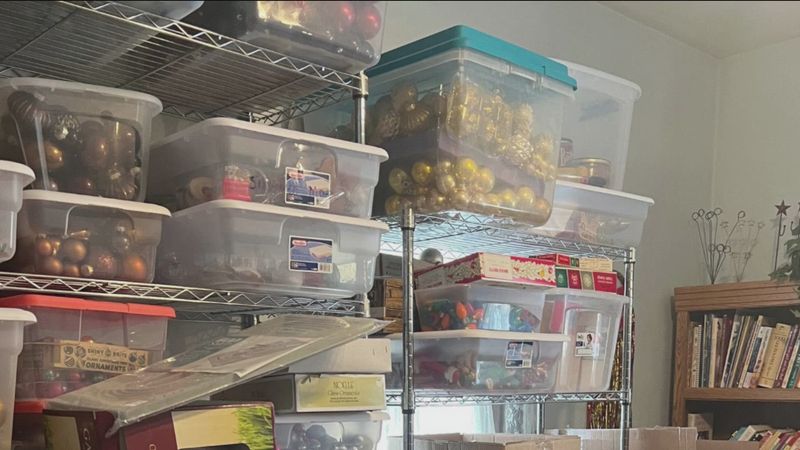
Plastic bins, repurposed containers, and visible storage solutions catch wealthy eyes accustomed to custom closets and built-in organizational systems. Improvisation becomes necessary when custom cabinetry isn’t in the budget.
While functional, these solutions lack the seamless integration and hidden storage that wealth can afford through custom carpentry and specialized organizing systems.
9. Older appliances showing wear
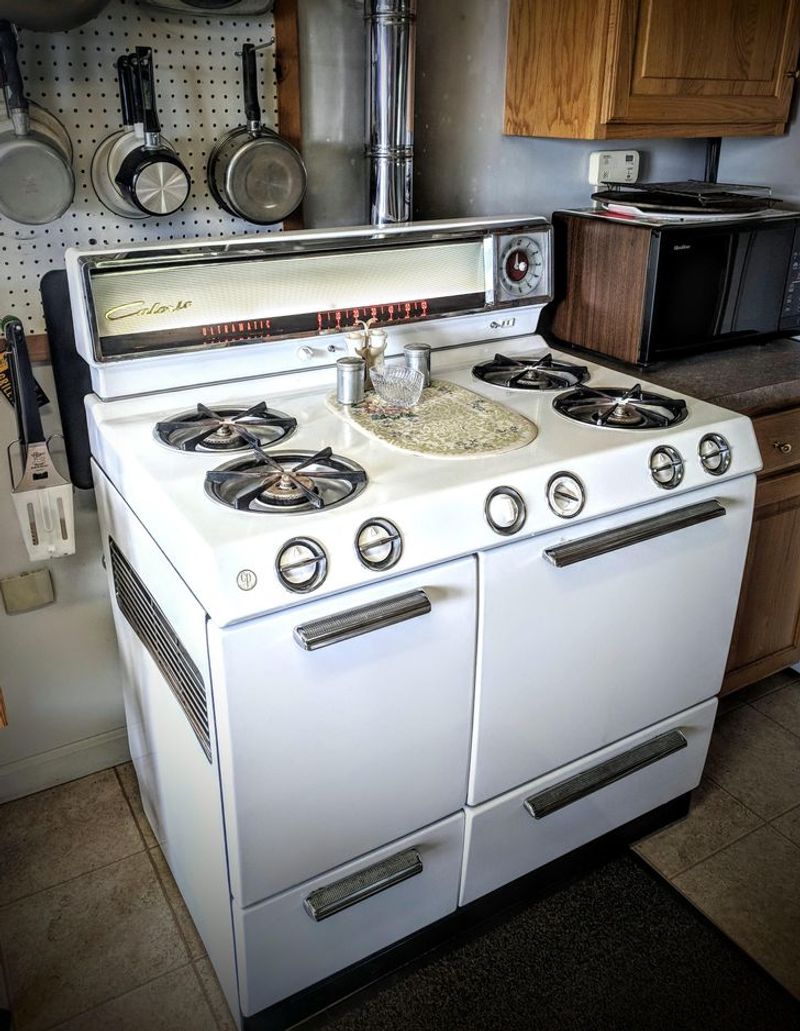
Scratched refrigerators and aging stoves with mismatched knobs reveal a practical approach to appliance replacement—if it works, it stays.
Minor cosmetic damage becomes part of the landscape in homes where function trumps appearance. Wealthy visitors might notice the absence of high-end stainless steel or the latest smart appliances that have become standard in affluent kitchens.
10. Signs of DIY repairs or patch jobs

Resourcefulness shines through in creative fixes that keep homes functional without professional help. Duct tape holding a screen door, mismatched paint touch-ups, or hand-repaired furniture tell stories of problem-solving on a budget.
Calling professionals for every household issue simply isn’t financially feasible for many families. Self-reliance becomes a necessity, with YouTube tutorials and borrowed tools enabling homeowners to address problems themselves, even if results aren’t perfectly polished.
11. Sparse or inexpensive window treatments
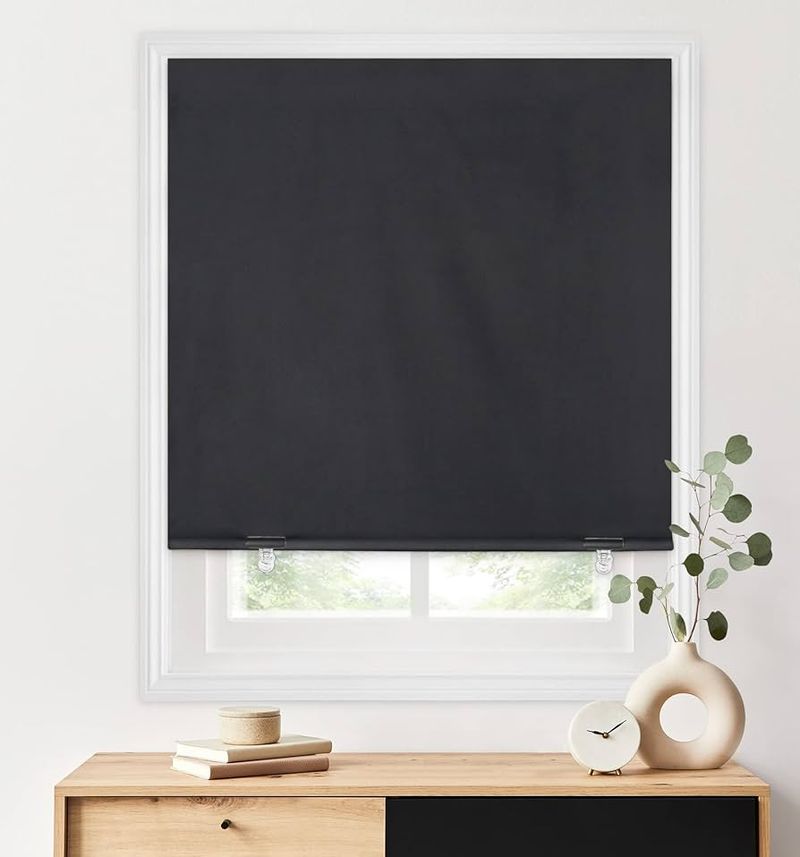
Budget-friendly blinds or curtains from discount retailers serve the basic functions of privacy and light control without the custom-tailored look of expensive window treatments. Standard sizes might not perfectly fit window dimensions.
Custom drapery for a single window can cost more than a month’s grocery budget for a working family. Practical, ready-made options from big box stores provide reasonable alternatives, even if they lack the perfect proportions and designer fabrics found in wealthy homes.
12. Worn countertops or cabinetry
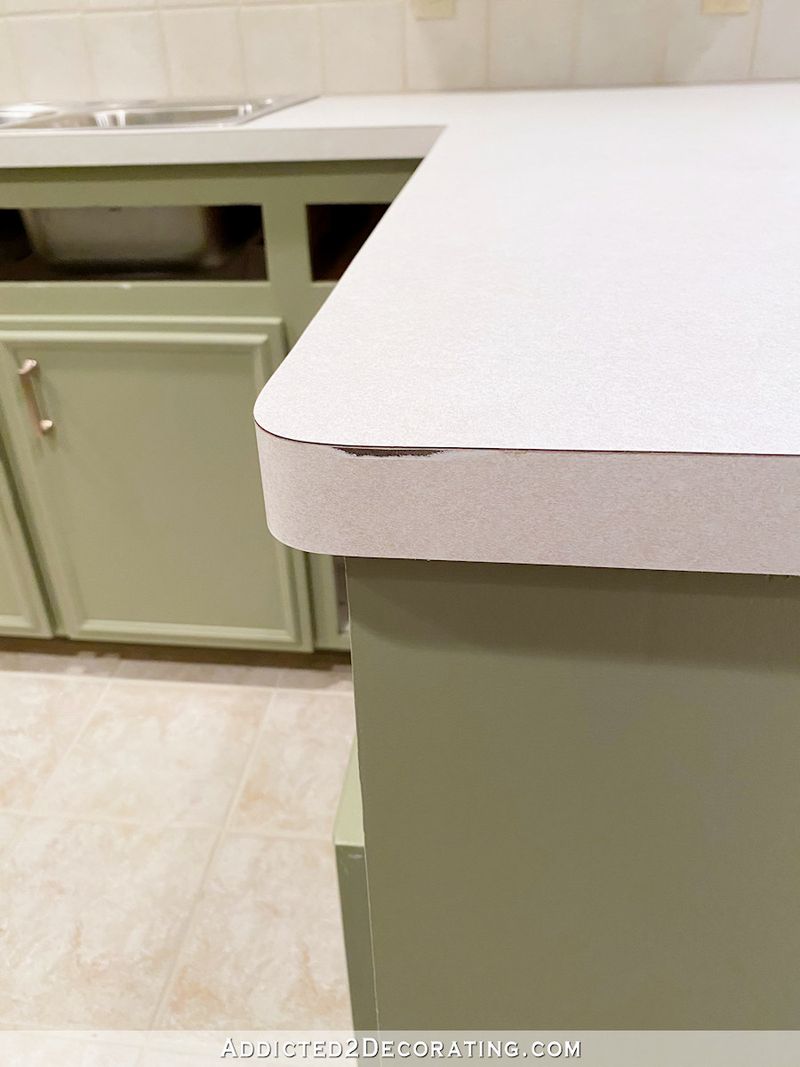
Kitchen surfaces tell stories of countless family meals prepared over years of use. Laminate countertops with worn edges or cabinets with chipped paint reveal prioritization of function over aesthetics. Renovations rank among the most expensive home improvements, often costing tens of thousands of dollars.
Many homeowners make do with existing surfaces, perhaps refreshing them with affordable updates like new hardware rather than complete replacements.
13. Absence of art or personal touches
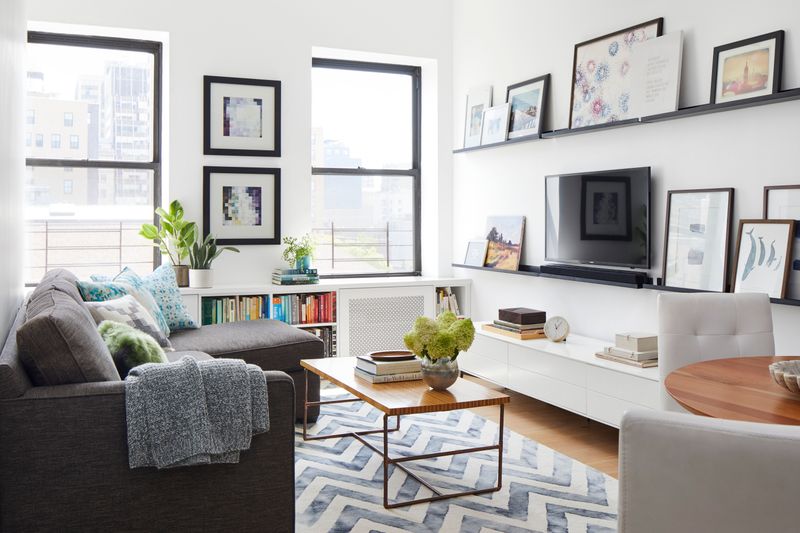
Long work hours often leave little time for decorating or personalizing spaces beyond the basics. Walls might remain relatively bare compared to curated gallery displays in affluent homes. Original artwork and professional framing represent significant expenses that many working families can’t justify.
When art does appear, it typically consists of meaningful family photos, children’s creations, or affordable prints rather than investment pieces or commissioned works.
14. Uneven or poorly maintained landscaping
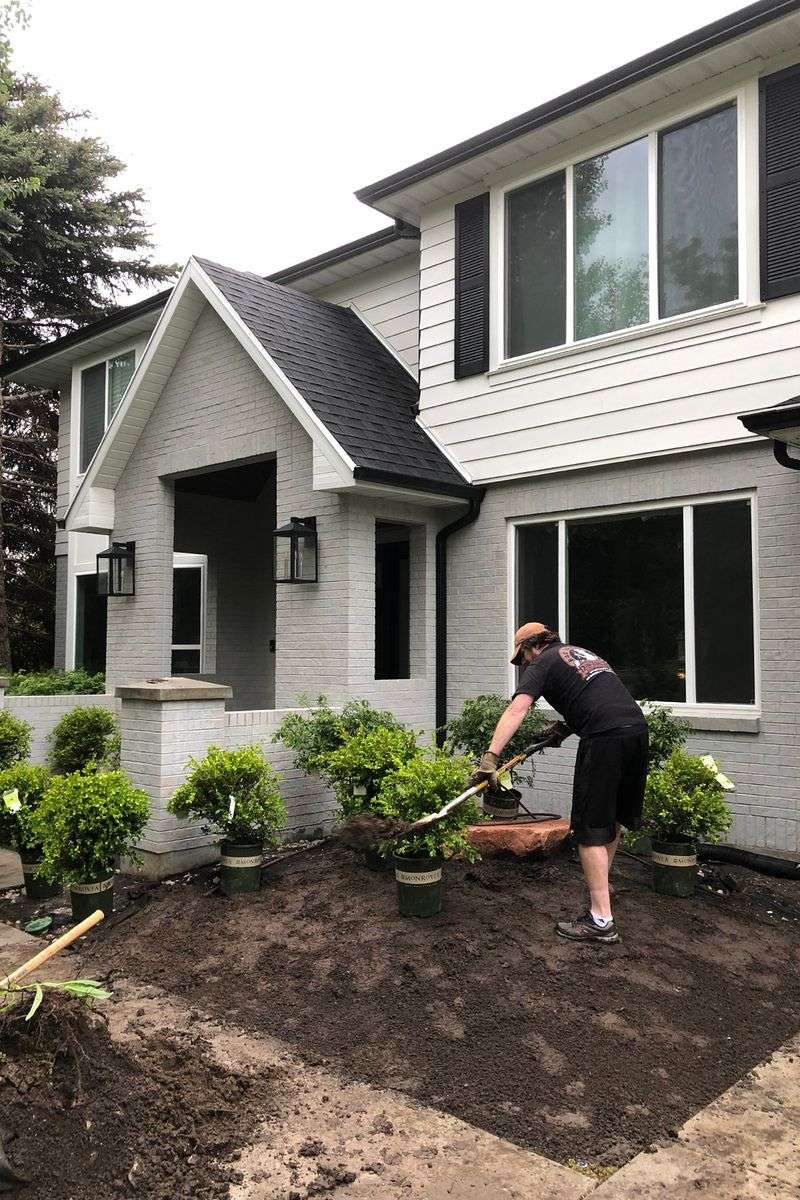
Weekend DIY yard maintenance creates a functional but sometimes inconsistent outdoor appearance. Without professional landscaping services, homeowners tackle yard work themselves as time allows between work shifts and family responsibilities.
Professional landscaping services represent an ongoing luxury expense that many working families simply can’t accommodate. Self-maintained yards fulfill basic needs while reflecting the reality of limited time and resources for purely aesthetic outdoor improvements.
15. Simple or missing hardware on doors and cabinets
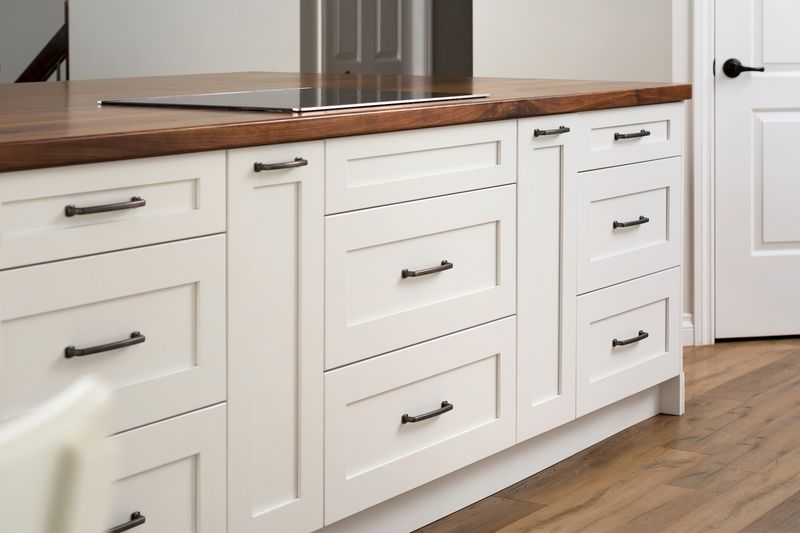
Basic knobs and pulls from hardware stores serve their purpose without the designer touch that wealthy eyes might expect. Cabinet hardware represents a seemingly minor detail that actually reveals economic priorities.
Specialty hardware stores offer handles and knobs that can cost $20-50 per piece – an extravagance when multiplied across dozens of cabinets and doors.
16. Limited use of textiles like rugs or curtains
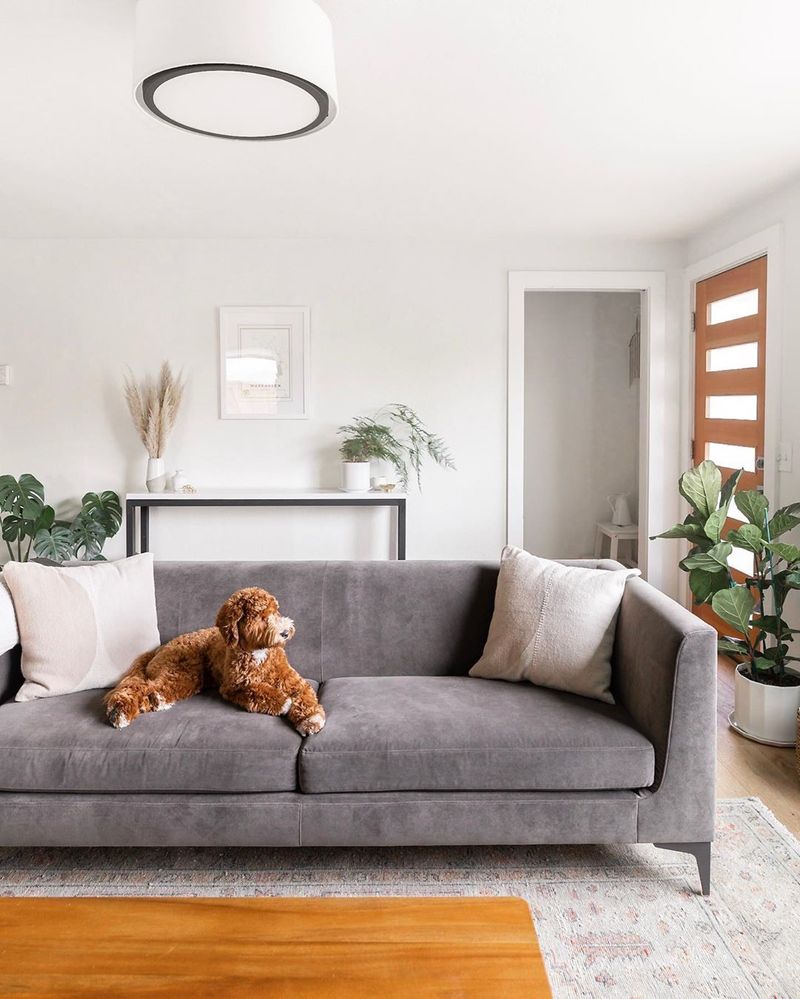
Luxury fabrics and multiple layers of textiles often remain absent in working-class homes. Bare floors or minimal window treatments reflect practical choices rather than design limitations. Quality area rugs can cost hundreds or thousands of dollars – amounts that working families might allocate toward more pressing needs.
Textile choices typically emphasize durability and ease of cleaning over softness or visual impact when children and pets share living spaces.
17. Basic or outdated bathroom fixtures
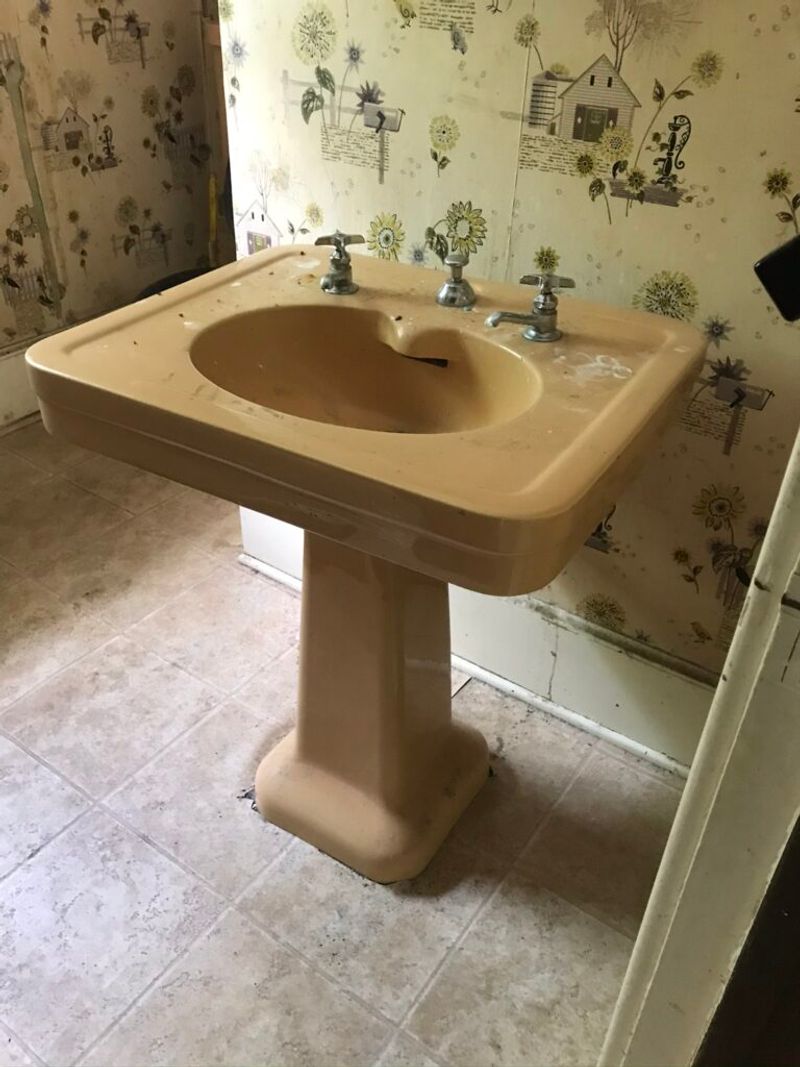
Standard-issue sinks, toilets, and bathtubs reveal priorities focused on function rather than luxury experiences. Single-handle faucets and basic shower heads serve essential needs without spa-like features. Bathroom upgrades represent major investments, with even modest renovations costing thousands.
Lots of people maintain original fixtures until they fail, focusing available resources on more urgent household needs rather than aesthetic updates to functional bathrooms.