18 Things Experts Say You Should Never Keep In Your Closet
Ever wonder why your closet feels like a black hole where items disappear forever? Professional organizers and home experts have identified common culprits that sabotage even the most well-intentioned storage spaces.
Banishing these items from your closet not only creates more room for things that belong there but also helps maintain a cleaner, more functional home environment.
1. Dirty Laundry
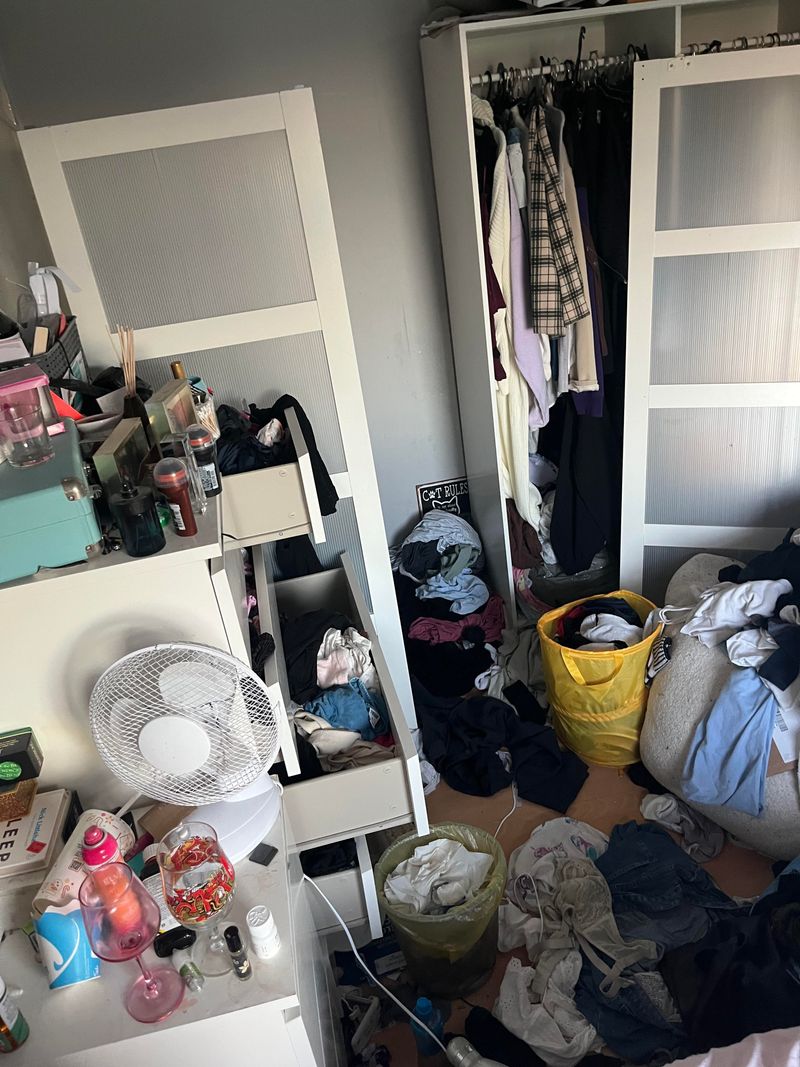
Tossing worn clothes back into your closet is a major no-no! When dirty garments mingle with clean ones, they transfer odors, oils, and even microscopic pests.
Instead, place a hamper in your bedroom or bathroom. Not only will this protect your clean clothes, but it also establishes a simple system that prevents the dreaded “sniff test” when getting dressed.
2. Unused Electronics

Got a graveyard of outdated gadgets lurking behind your sweaters? Old phones, chargers, and forgotten tech take up valuable space while collecting dust.
Recycle or donate functioning electronics to schools or nonprofit organizations. Be sure to perform a factory reset first to keep all your personal data. Your closet isn’t an electronics museum—it’s prime real estate for things you actually use!
3. Old Suitcases
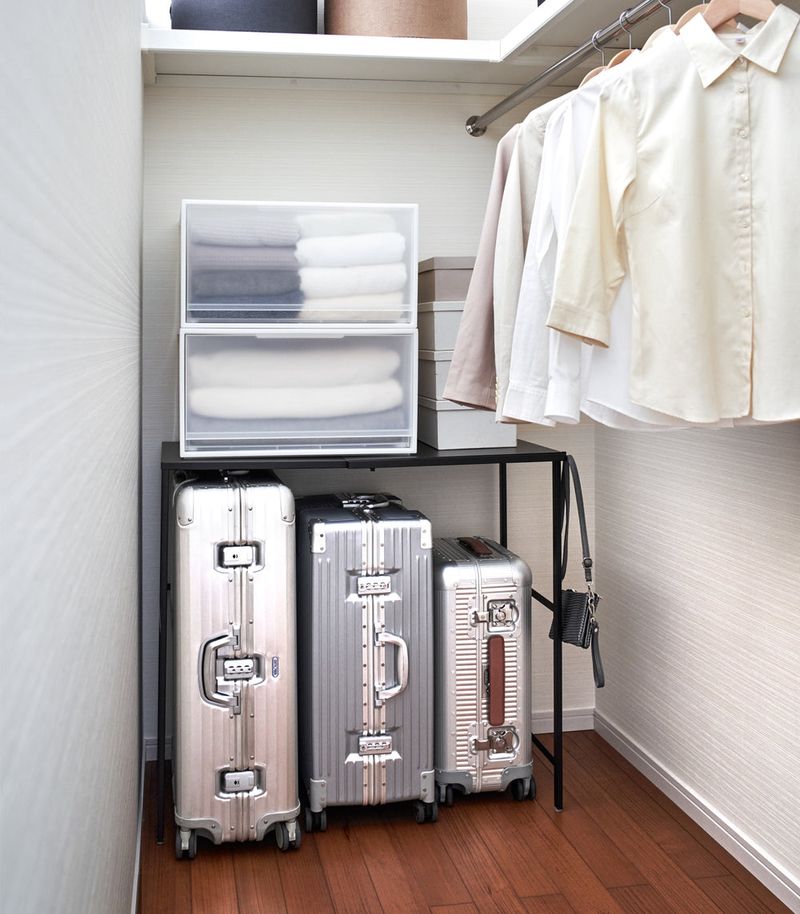
Bulky luggage devours precious closet space faster than you can say “bon voyage.” Most people use suitcases only a few times yearly, making them inefficient closet residents.
Consider storing luggage under beds, in garage rafters, or atop high kitchen cabinets. Nested luggage sets can slide under furniture or become temporary storage for seasonal items. Your everyday wardrobe deserves the prime closet real estate!
4. Expired Beauty Products

Lurking in many closets are ancient lotions, forgotten perfumes, and makeup purchased during Obama’s first term. Beyond wasting space, expired beauty products can harbor bacteria and lose effectiveness.
Check those little jar symbols on packaging—they indicate how many months products remain good after opening. When in doubt, toss it out! Your skin (and closet) will thank you for maintaining a collection of only fresh, effective products.
5. Holiday Decorations
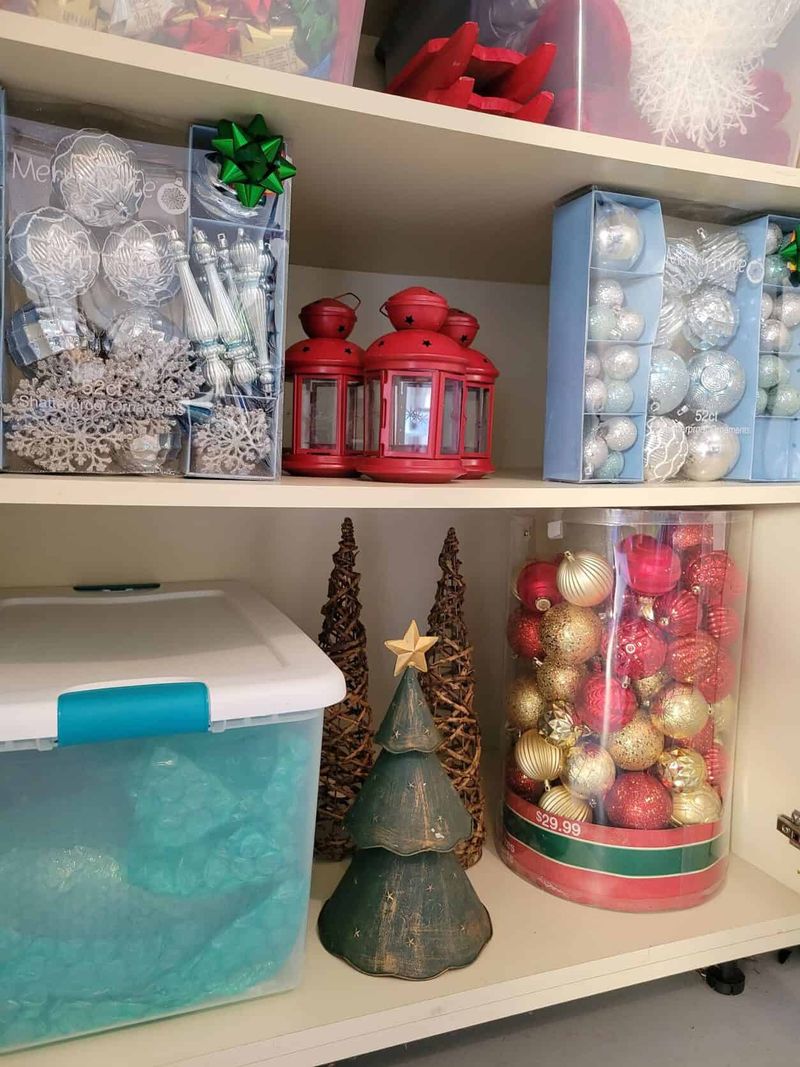
Santa doesn’t belong between your summer shorts and winter coats! Holiday decorations occupy substantial space year-round while being used for mere weeks.
Store seasonal items in labeled bins within attics, basements, or dedicated storage areas. Consider under-bed containers or vacuum-sealed bags. Rotating decorations seasonally keeps your closet functional and prevents crushed ornaments when reaching for your favorite sweater.
6. Paperwork and Documents
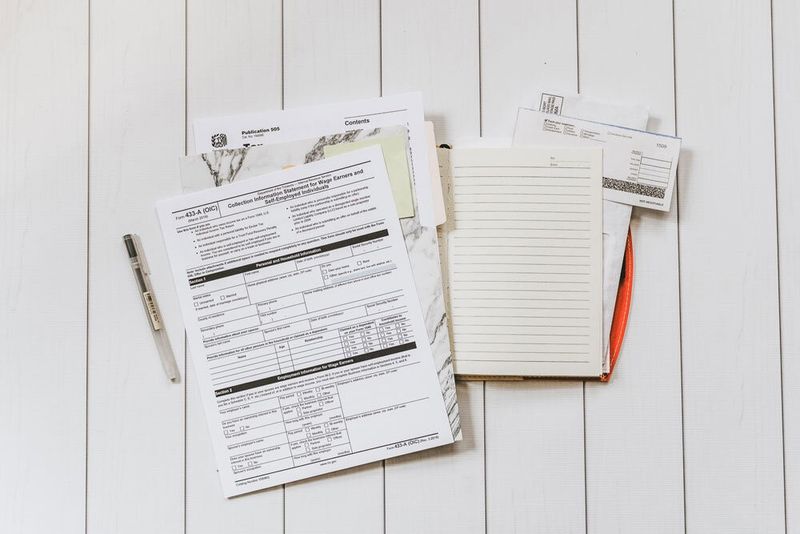
Shoving important documents into closet corners is asking for trouble! Papers absorb moisture, attract pests, and inevitably get crumpled when you’re searching for that one shirt.
Invest in a proper filing system elsewhere in your home. Digital scanning services can transform paper mountains into searchable files. Remember, humidity in closets can damage important documents over time—your birth certificate deserves better than being sandwiched between sweaters!
7. Shoes You Never Wear
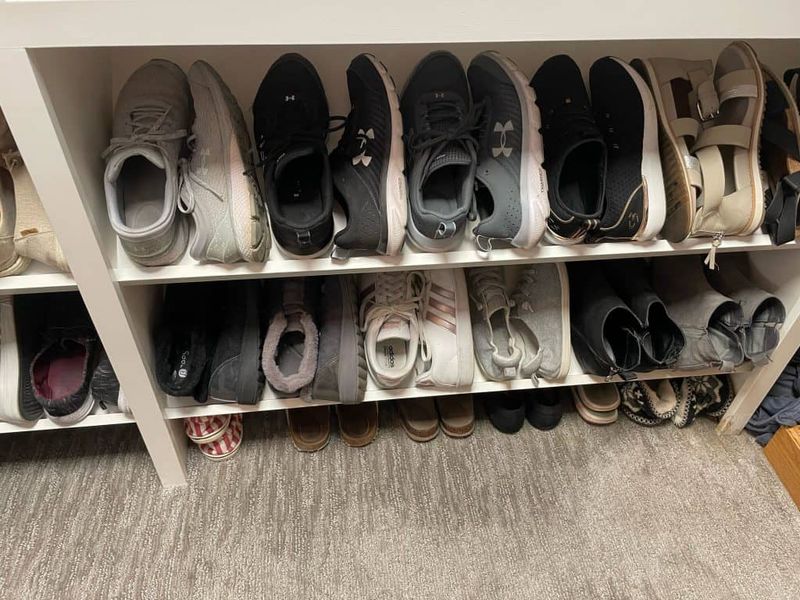
Hanging onto painful heels or scuffed loafers “just in case” eats valuable closet real estate. If you haven’t worn shoes in a year, they’re merely expensive dust collectors.
Donate wearable shoes to shelters or organizations like Soles4Souls. Quality shoes deserve owners who’ll actually wear them, and your closet floor deserves breathing room for the footwear you genuinely love.
8. Gift Bags and Wrapping Paper
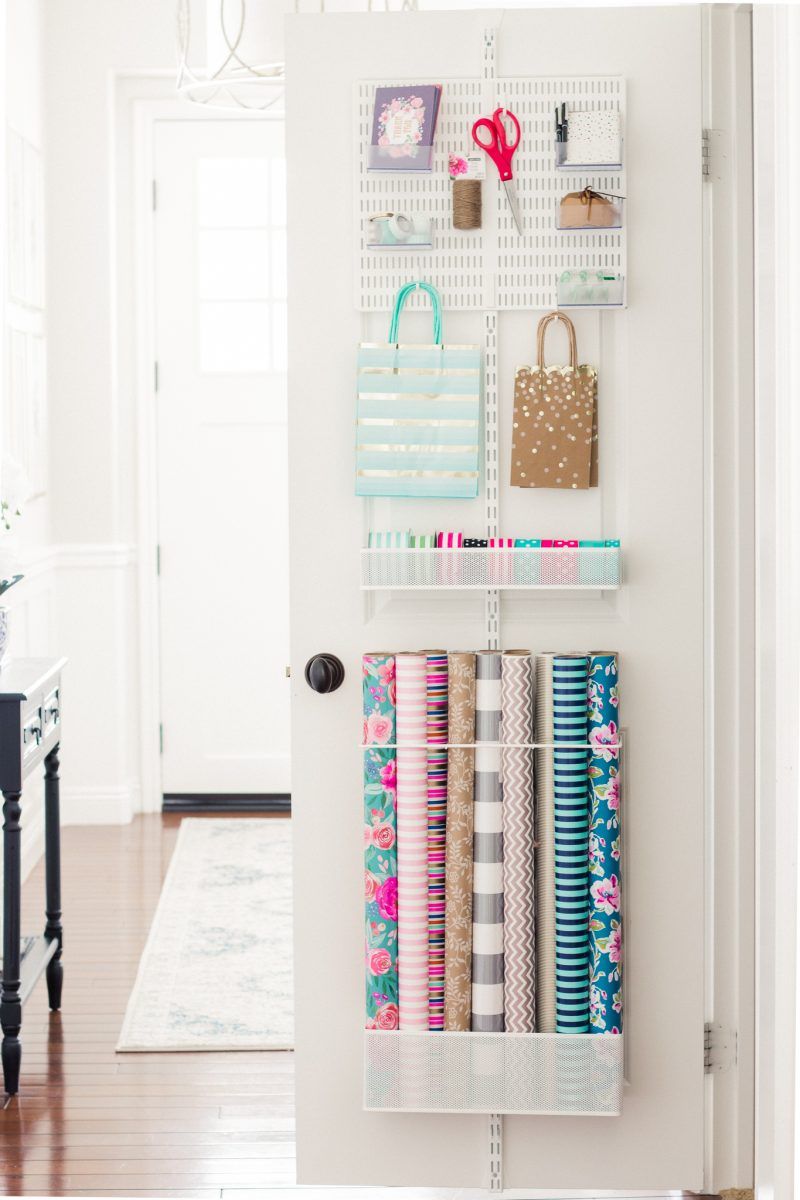
Saving every gift bag from Christmases past creates a colorful avalanche waiting to happen. Wrapping supplies are bulky, easily crushed, and rarely organized effectively in clothing closets.
Create a dedicated wrapping station in a spare closet or under-bed container instead. Vertical storage solutions like over-door organizers work wonders for keeping paper uncreased. Limiting your collection to what you’ll realistically use within a year prevents unnecessary buildup.
9. Anything Moth-Attracting
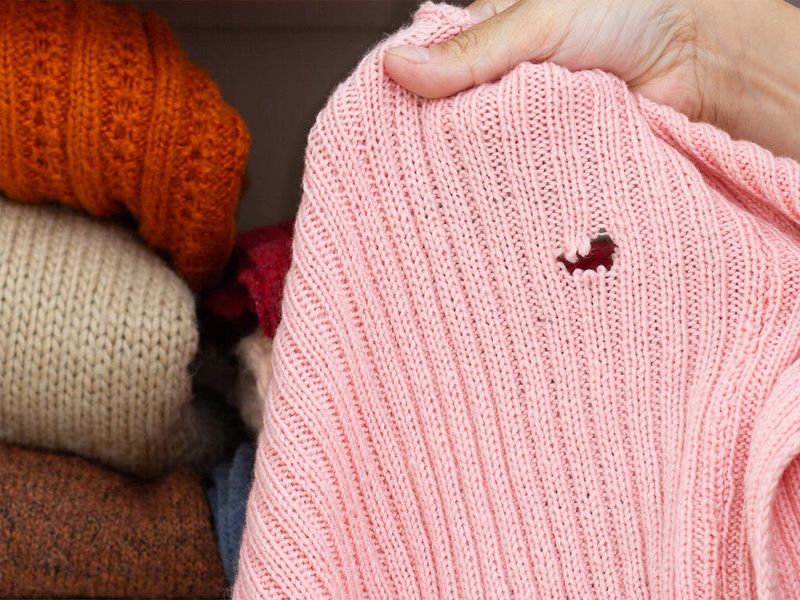
Wool-munching moths consider your closet an all-you-can-eat buffet when food remnants, dirty clothes, or certain materials are present. One female moth can lay hundreds of eggs, creating a wardrobe disaster!
Avoid storing unsealed food, unwashed clothes, or items with body oils in your closet. Cedar blocks and lavender sachets help deter these pests naturally. Always clean clothes before storing—even invisible food particles can attract these fabric-destroying insects.
10. Books

Avid readers might be tempted to stash overflow novels in the closet, but this creates problems for both books and clothes. Weight strains closet shelves, while humidity can warp pages and damage bindings.
Books deserve proper bookcases where they can be displayed and enjoyed. If space is truly limited, consider donating lesser-read volumes or investing in an e-reader. Your literary collection will thank you, and so will your closet shelves!
11. Seasonal Sports Gear
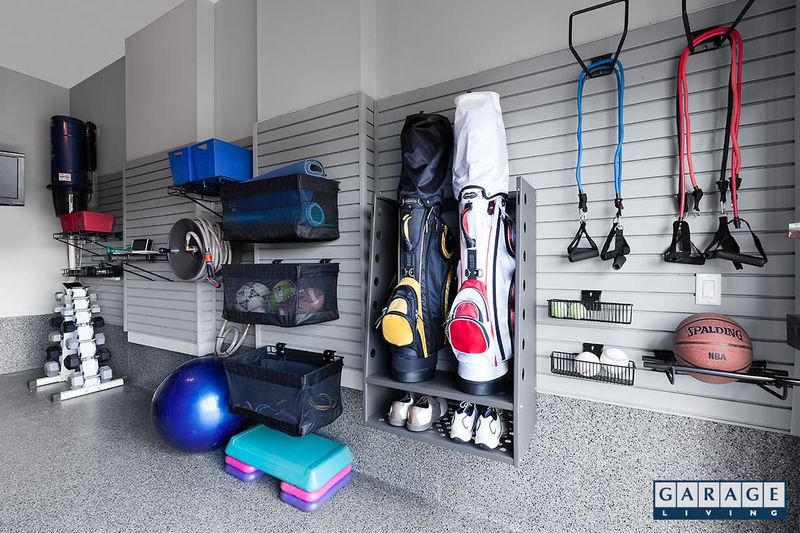
Jamming tennis rackets, golf clubs, or skiing equipment between hanging clothes creates a daily obstacle course. Sporting goods are bulky, oddly shaped, and often dirty—making them terrible closet companions.
Garage walls, dedicated sports lockers, or under-bed containers make much better homes for equipment. Your morning routine shouldn’t include dodging a hockey stick just to grab a shirt!
12. Bulky Bedding
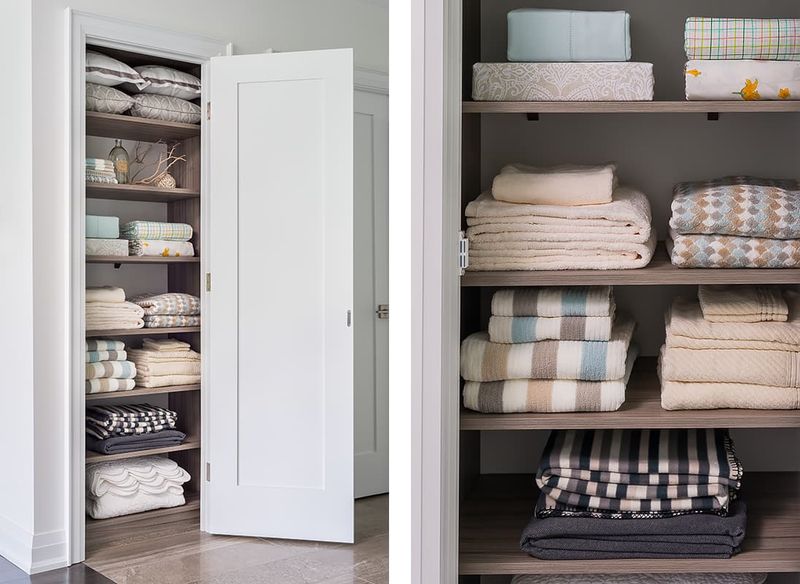
Stuffing extra comforters and pillows into clothing closets creates a fluffy monster that fights back every time you open the door. Compressed bedding loses loft and takes up space needed for daily wardrobe items.
Vacuum storage bags work wonders for seasonal bedding, reducing volume by up to 75%. Alternatively, store guest bedding in the guest room (perhaps in an ottoman) or use decorative baskets as both storage and room accents. Your closet should prioritize items you use daily.
13. Excess Hangers
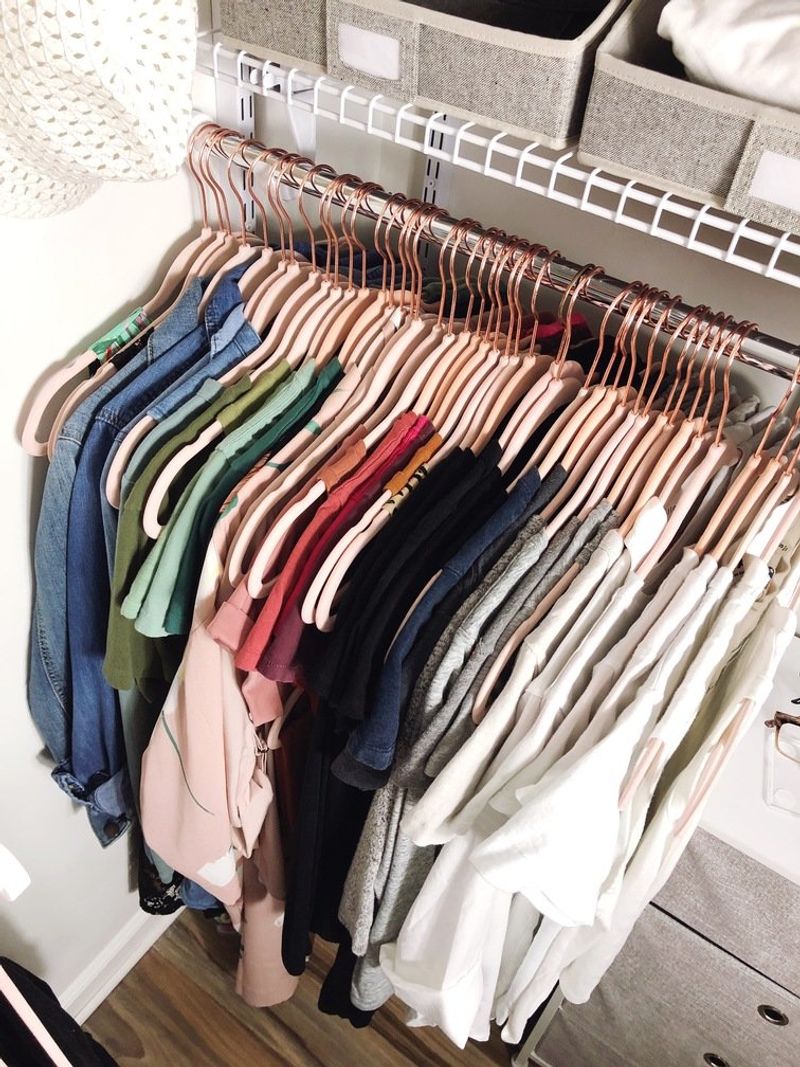
Hoarding dozens of mismatched hangers creates visual chaos and wastes valuable hanging space. Wire, plastic, and wooden hangers intermingled create an unprofessional jumble that makes finding clothes harder.
Choose one hanger style and donate the rest to thrift stores (which always need them). Keep only 5-10 extras for new purchases. Matching hangers not only look satisfyingly uniform but also maximize rod space and prevent clothing damage from improper support.
14. Clothes That Don’t Fit
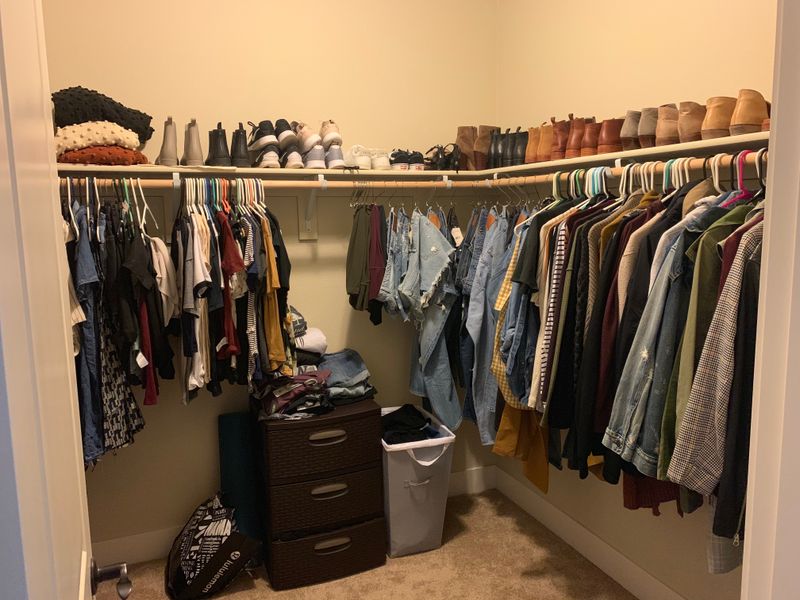
Keeping jeans from college or dresses three sizes too small creates a closet filled with guilt instead of options. Every morning, you’re forced to sift past items that don’t fit to find ones that do.
Be honest about what truly fits your current body. Donate wearable items to charity—someone else will love wearing them now. For truly sentimental pieces, frame them, create memory quilts, or store a select few in dedicated memory boxes outside your daily closet.
15. Wire Dry Cleaning Hangers

Flimsy wire hangers from the dry cleaner are closet saboteurs! They bend easily, creating shoulder bumps in garments, and can even rust, potentially staining clothes.
Return wire hangers to your dry cleaner for recycling—most gladly accept them back. Invest in proper wooden or padded hangers for valuable clothing items. Quality hangers maintain garment shape, prevent stretching, and create a visually pleasing, organized closet that maximizes your wardrobe investment.
16. Perishable Snacks
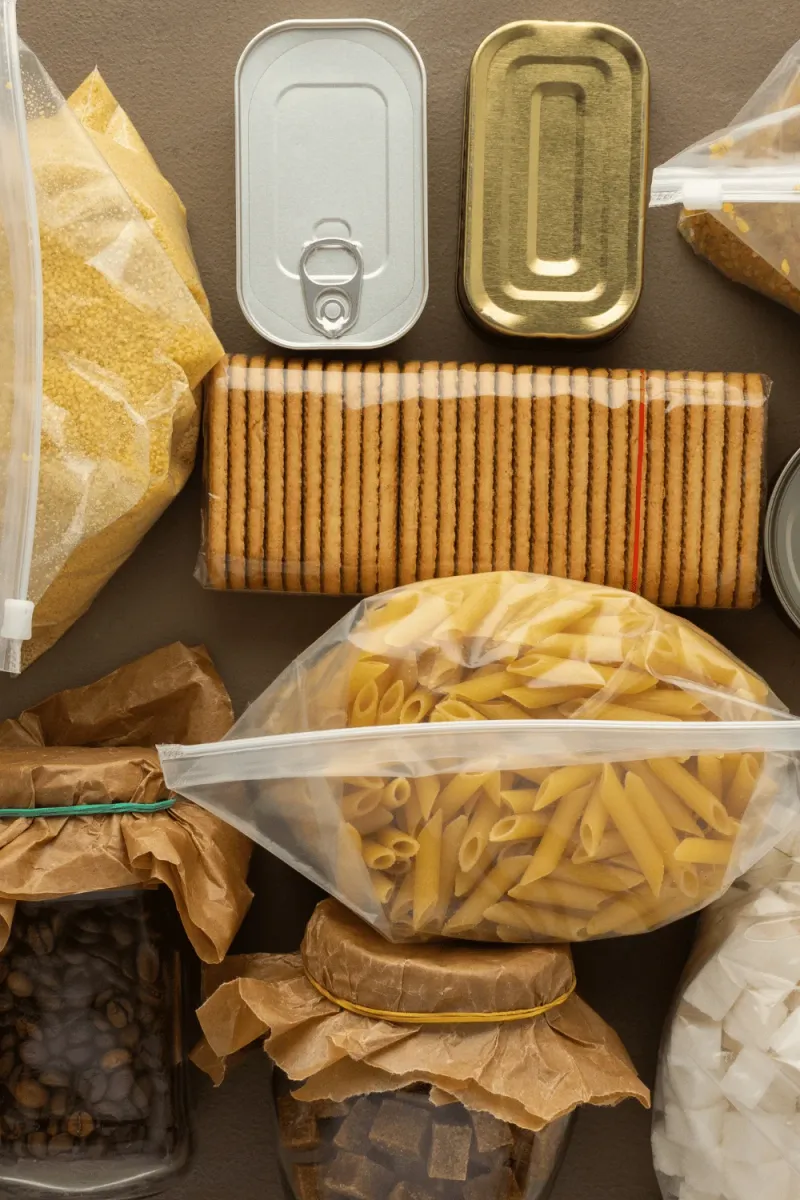
Squirreling away cookies or chips in your closet might seem convenient, but it’s a recipe for disaster. Food attracts pests that don’t discriminate between your snacks and your cashmere sweater.
Even sealed packages can emit odors that transfer to clothing. Crumbs inevitably escape, creating welcome mats for insects and rodents. Keep all food items in the kitchen where they belong—your wardrobe isn’t a pantry extension!
17. Luggage Tags and Travel Odds & Ends
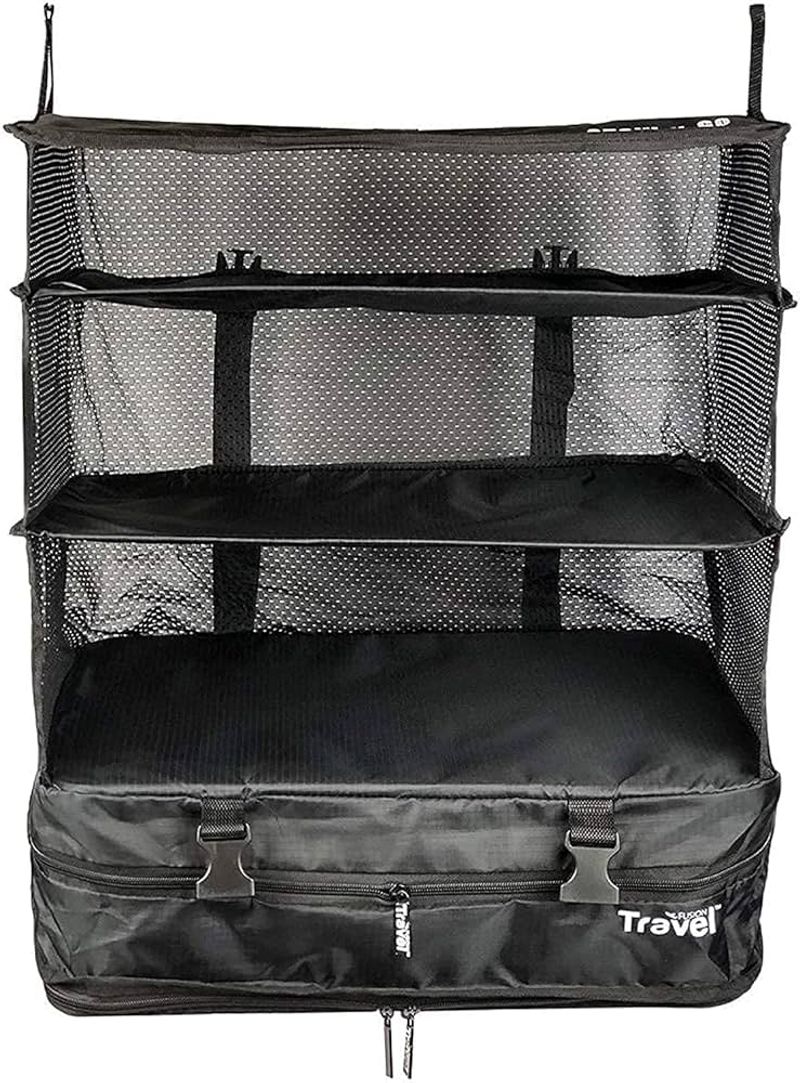
Random travel accessories floating around closet shelves create confusing clutter when you’re actually preparing for a trip. Loose luggage tags, travel-size toiletries, and foreign currency become frustrating to locate when needed.
Create a dedicated travel drawer or box elsewhere in your home. Keep all travel essentials together—adapters, passport, travel toiletries, and documents. When packing for your next adventure, you’ll thank yourself for having everything in one organized location instead of scattered throughout your closet.
18. Unlabeled Mystery Boxes
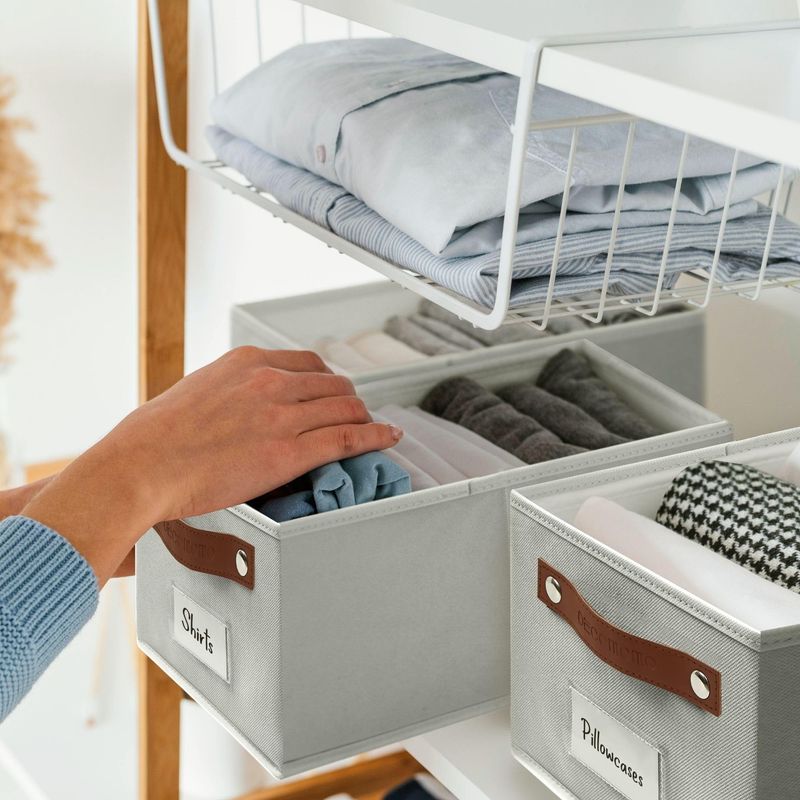
Mysterious cardboard boxes lurking in closet corners eventually become time capsules you’re afraid to open. Without labels, their contents are forgotten, taking up valuable space for years.
If you must store boxed items in your closet, use clear plastic containers with detailed labels. Adopt the one-year rule: if you haven’t opened a mystery box in 12 months, you probably don’t need what’s inside. Your closet should contain current necessities, not archaeological digs waiting to happen!