8 Interior Design Elements That Instantly Reveal an Amateur Decorator (And 8 That Immediately Reveal A Pro)
Some rooms feel effortlessly polished – others, not so much. The difference often comes down to small design choices that speak volumes.
Interior pros know how to create spaces that feel intentional, cohesive, and elevated, while beginners sometimes fall into common traps that leave a room feeling unfinished or off.
Spotting the signs of amateur vs. expert decorating can sharpen your eye – and help your home look its absolute best.
1. Matching Furniture Sets Straight From The Showroom
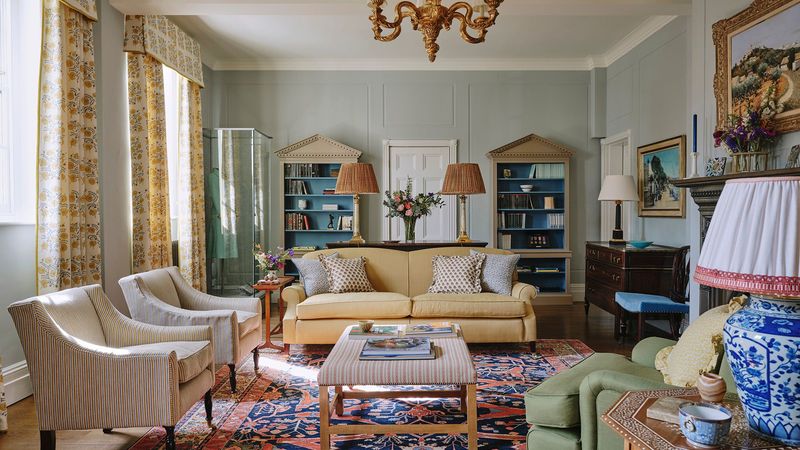
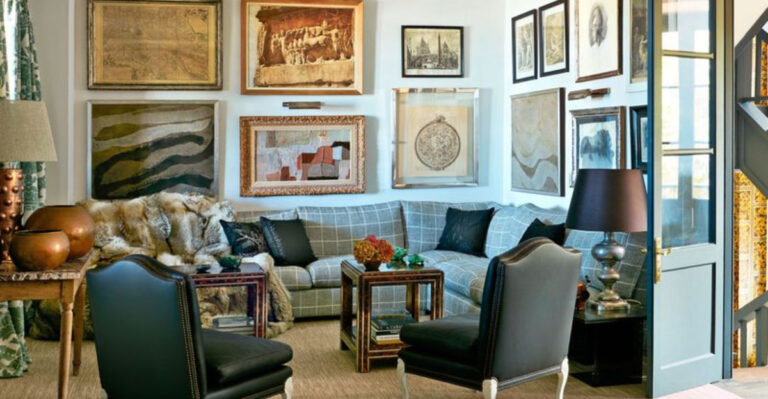
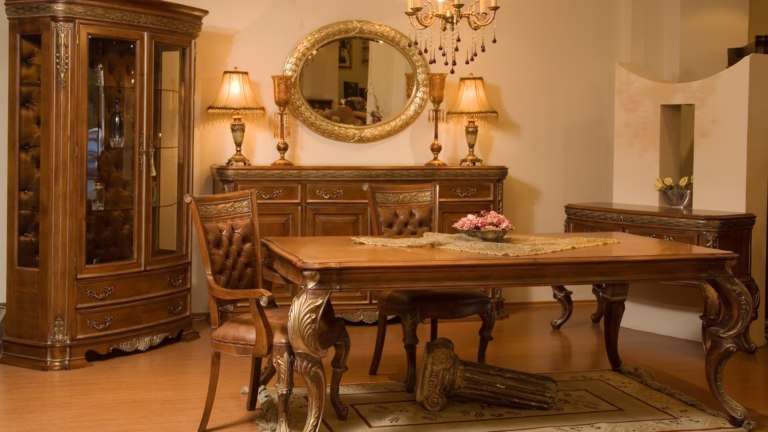
Think of something that screams “I just discovered furniture shopping” more than an entire living room that looks like it was bought as a package deal. It’s hard to do that, right? Professional designers mix and match pieces that complement each other while maintaining their individual character.
Think of furniture like friends at a dinner party – they should get along well but not be carbon copies of each other. Aim for coordination rather than exact matches in color, texture, and style.
2. Artwork Hung Too High On Walls
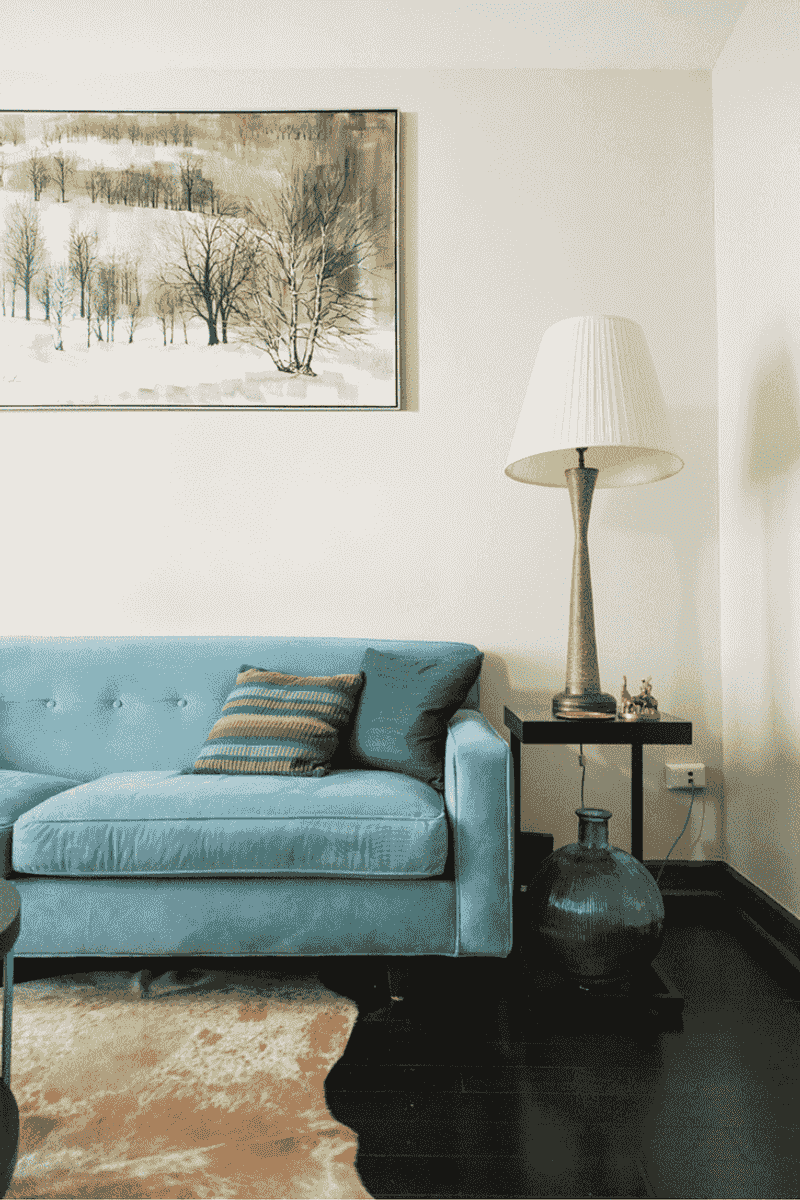
Walk into a room where all the art feels like it’s floating toward the ceiling? You’ve spotted a classic rookie move. Most inexperienced decorators hang pictures at eye level – their eye level while standing, that is.
The golden rule followed by professionals: artwork should be centered at 57-60 inches from the floor, which is the average human eye level when seated. This height creates visual harmony and makes the space feel properly proportioned.
3. Pushed-Back Furniture Hugging The Walls
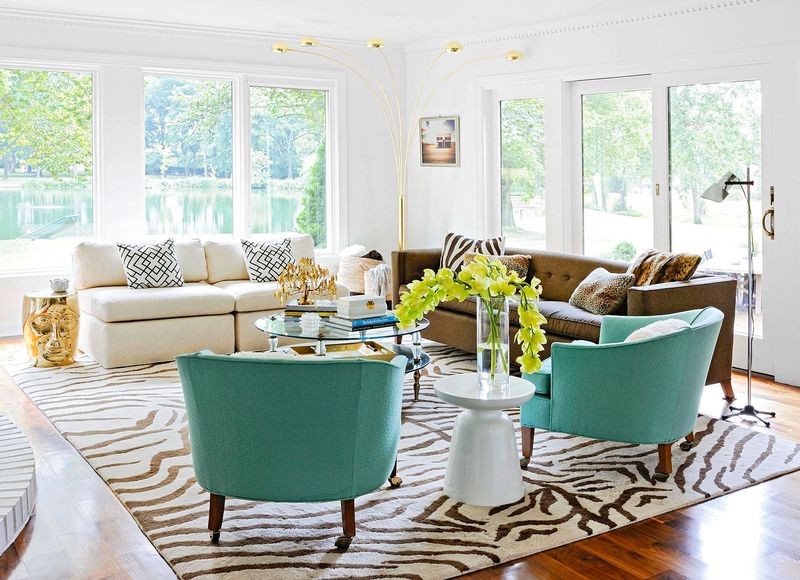
First-time decorators often think maximizing floor space means shoving all furniture against walls. The result? An awkward dance floor in the middle and conversation areas that feel like shouting matches.
Seasoned designers create intimate zones by floating furniture away from walls. This approach defines functional areas and creates a more natural flow for conversation and movement throughout the room.
4. Chaotic Throw Pillow Collections
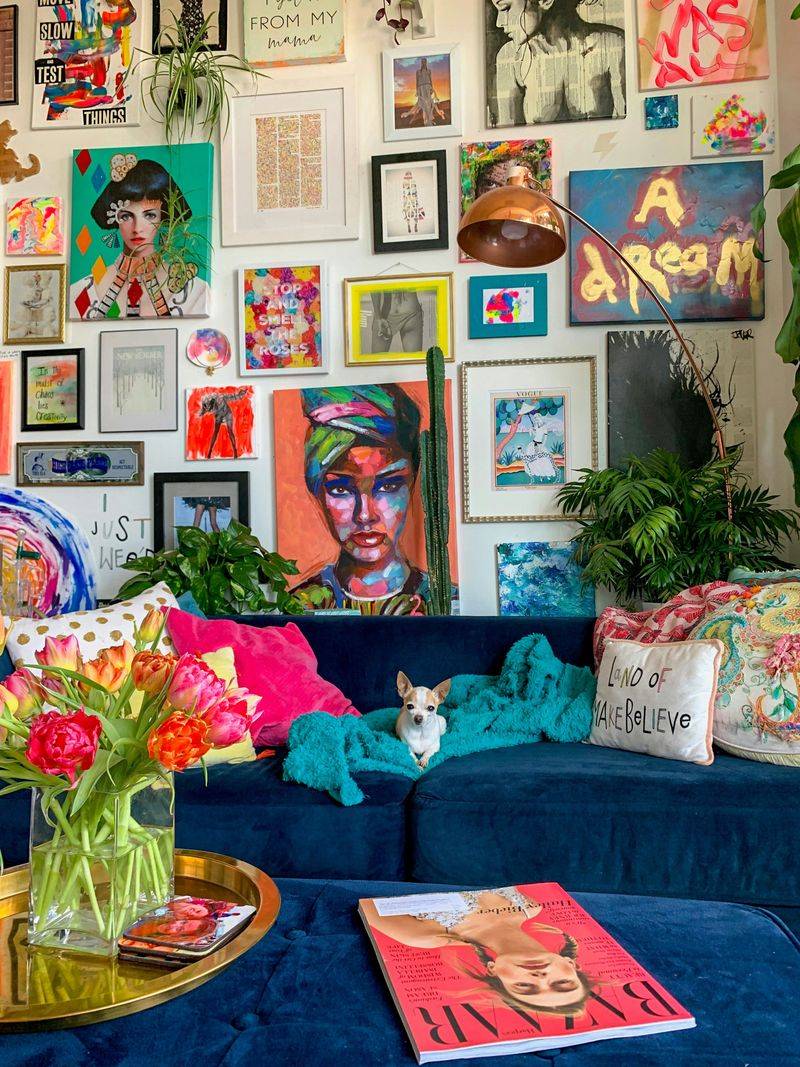
Randomly tossed pillows in clashing patterns, sizes, and colors scream design confusion. While attempting to add personality, beginners often create visual chaos instead of cohesion.
Master decorators use the rule of odds (three or five pillows rather than four or six) and maintain a thoughtful color story. They vary textures while keeping a consistent theme, creating interest without overwhelming the eye.
5. Ignoring Proper Lighting Layers
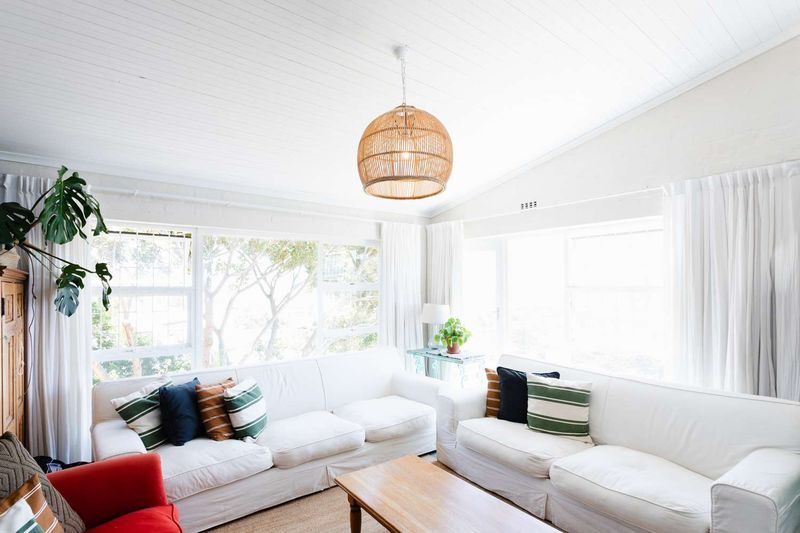
Relying solely on that central ceiling fixture? A dead giveaway of design inexperience. Proper lighting requires multiple sources at different heights to create depth and functionality.
Professional spaces incorporate three essential layers: ambient (overall) lighting, task lighting for specific activities, and accent lighting to highlight architectural features or art. This thoughtful approach transforms flat, harshly lit rooms into dimensional, welcoming environments.
6. Undersized Area Rugs Floating Like Islands
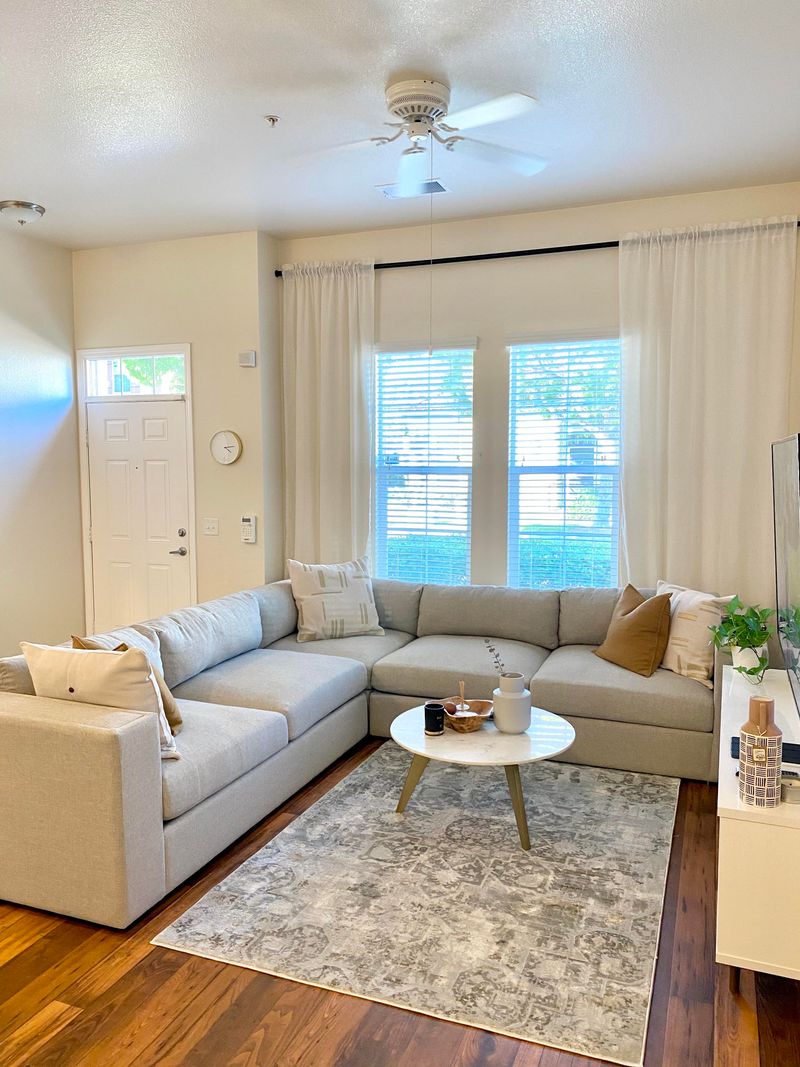
Ever seen a tiny rug that barely fits under the coffee table? That’s a classic beginner move. Small rugs create visual confusion and make spaces feel disconnected rather than cohesive.
The pros follow a simple guideline: area rugs should be large enough that at least the front legs of all furniture in the grouping rest on it. This anchors the conversation area and creates a defined, purposeful space within the larger room.
7. Excessive Themed Decor Overload
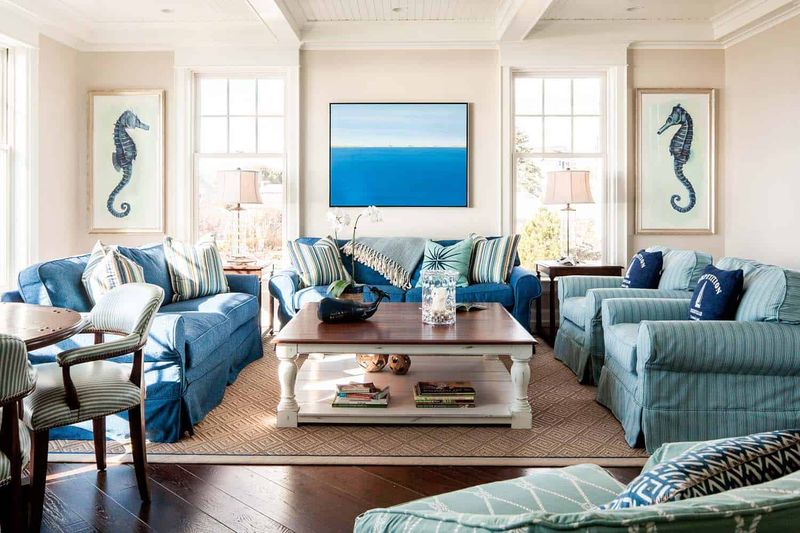
Found yourself in a room that screams “BEACH HOUSE!” with shells, anchors, and blue stripes on every surface? Theme overload is a hallmark of amateur enthusiasm without restraint.
Sophisticated decorators understand the power of suggestion over statement. They incorporate thematic elements subtly through texture, color, and carefully selected accent pieces, allowing the theme to whisper rather than shout.
8. Neglecting Scale And Proportion
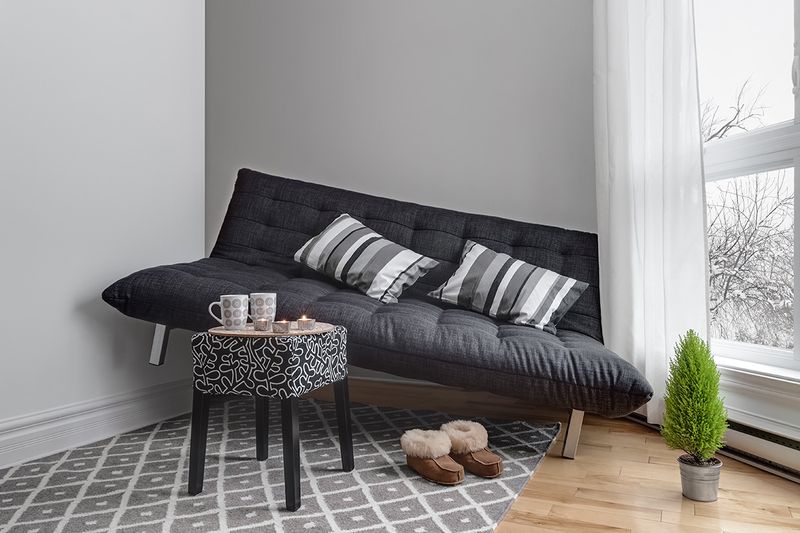
When tiny accessories get lost on massive surfaces or oversized furniture crowds a small room, you’re witnessing a fundamental design principle being ignored: proper scaling.
Professional designers carefully consider how each piece relates to others in size and visual weight. They balance large statement pieces with appropriately scaled companions, creating visual harmony rather than awkward imbalance.
1. Negative Space Management
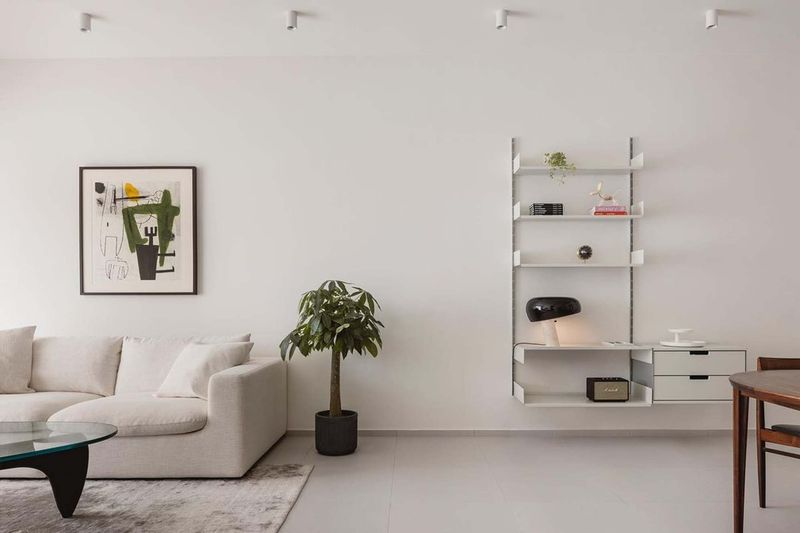
Empty space isn’t wasted space—it’s breathing room! Professional decorators understand that what you don’t put in a room is just as important as what you do include.
They deliberately leave areas uncluttered to create visual rest points. This calculated emptiness guides your eye through the space and prevents that overcrowded feeling. Next time you’re in a beautifully designed room, notice how the blank walls, open tabletops, and furniture spacing feel intentional rather than forgotten.
2. Unexpected Material Combinations
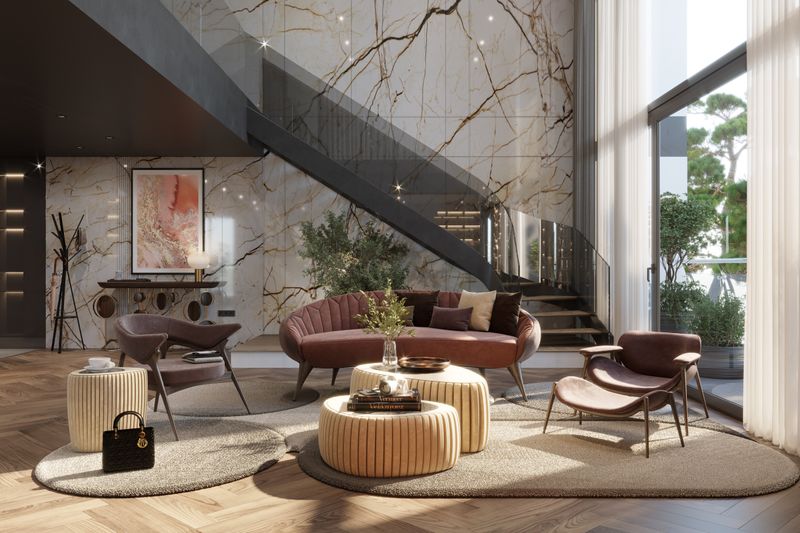
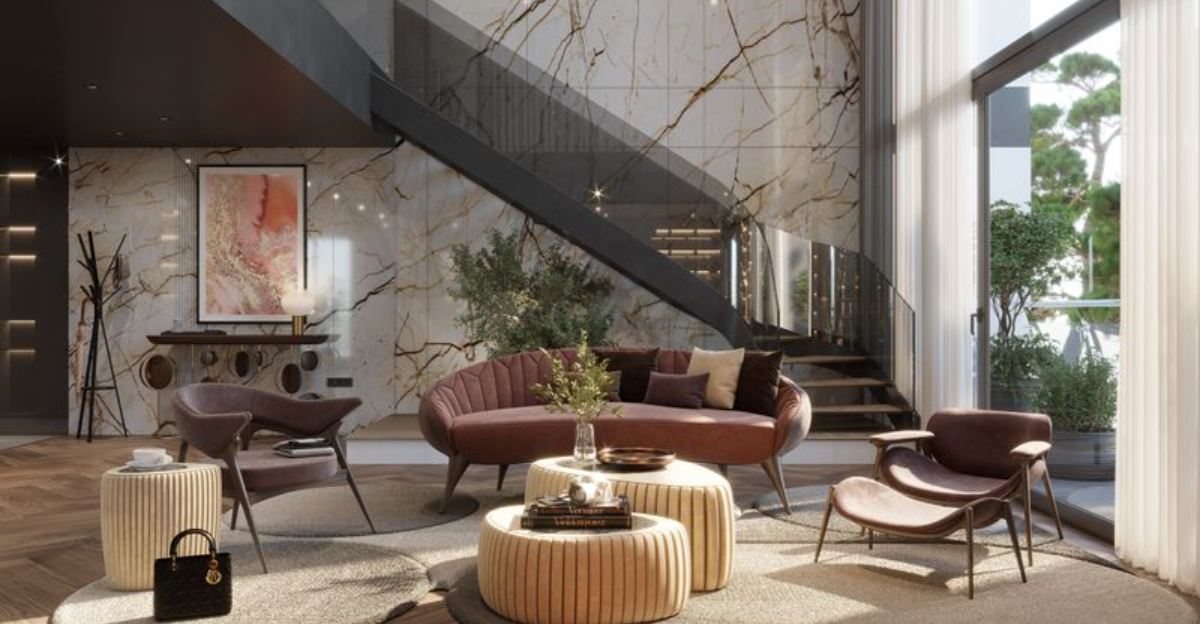
Marble paired with raw concrete? Velvet next to distressed leather? Professional decorators excel at material mashups that shouldn’t work but somehow do!
Amateurs often stick to safe combinations, while pros confidently mix textures, finishes, and materials that create delightful tension. The secret lies in finding complementary contrasts—rough with smooth, matte with glossy, natural with manufactured.
3. The Fifth Wall Treatment
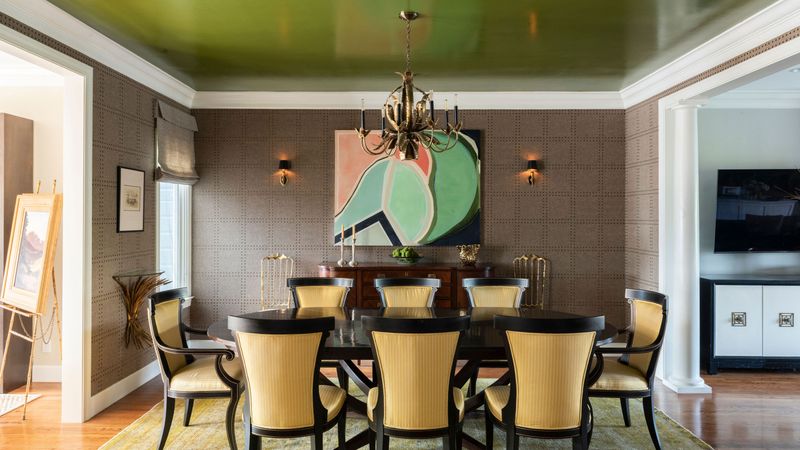
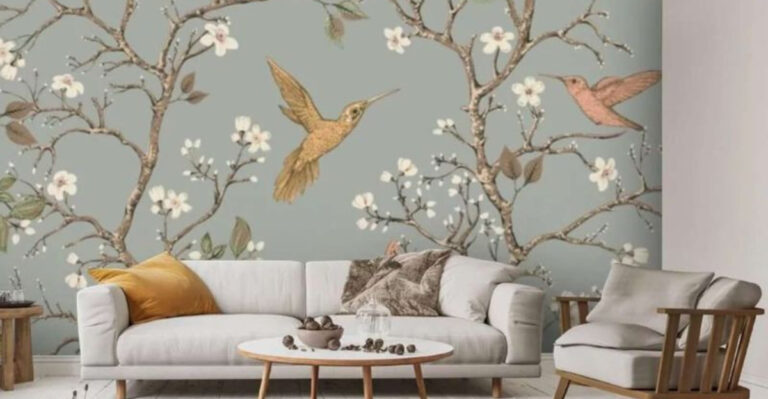
Look up! Amateur decorators often forget the ceiling, but pros treat it as the “fifth wall” of design opportunity. A bold ceiling color, intricate molding, or unexpected wallpaper transforms an ordinary room into something extraordinary.
Professional decorators know ceilings influence how we perceive height and atmosphere in a space. They might paint a low ceiling the same color as the walls to create seamless flow, or add beams to a high ceiling for warmth and character.
4. Vintage Anchor Pieces
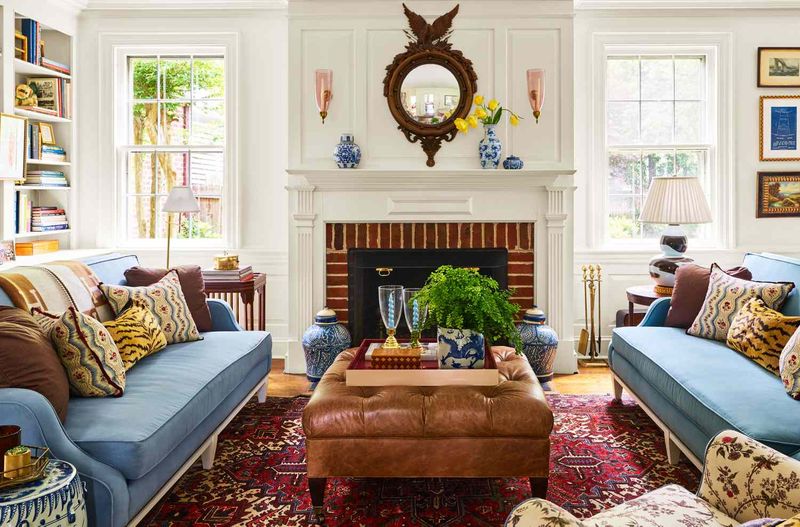
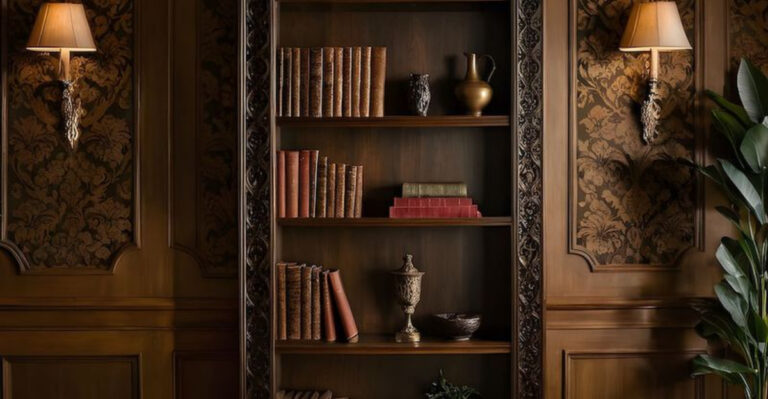
That perfectly weathered armoire or mid-century credenza didn’t end up there by accident! Professional decorators frequently incorporate at least one significant vintage piece that anchors the room’s personality.
Unlike mass-produced items, these character-filled finds tell stories and create conversation starters. The pro move isn’t just finding any old piece—it’s selecting vintage items that complement the overall design while adding depth and history.
5. Bespoke Window Treatments
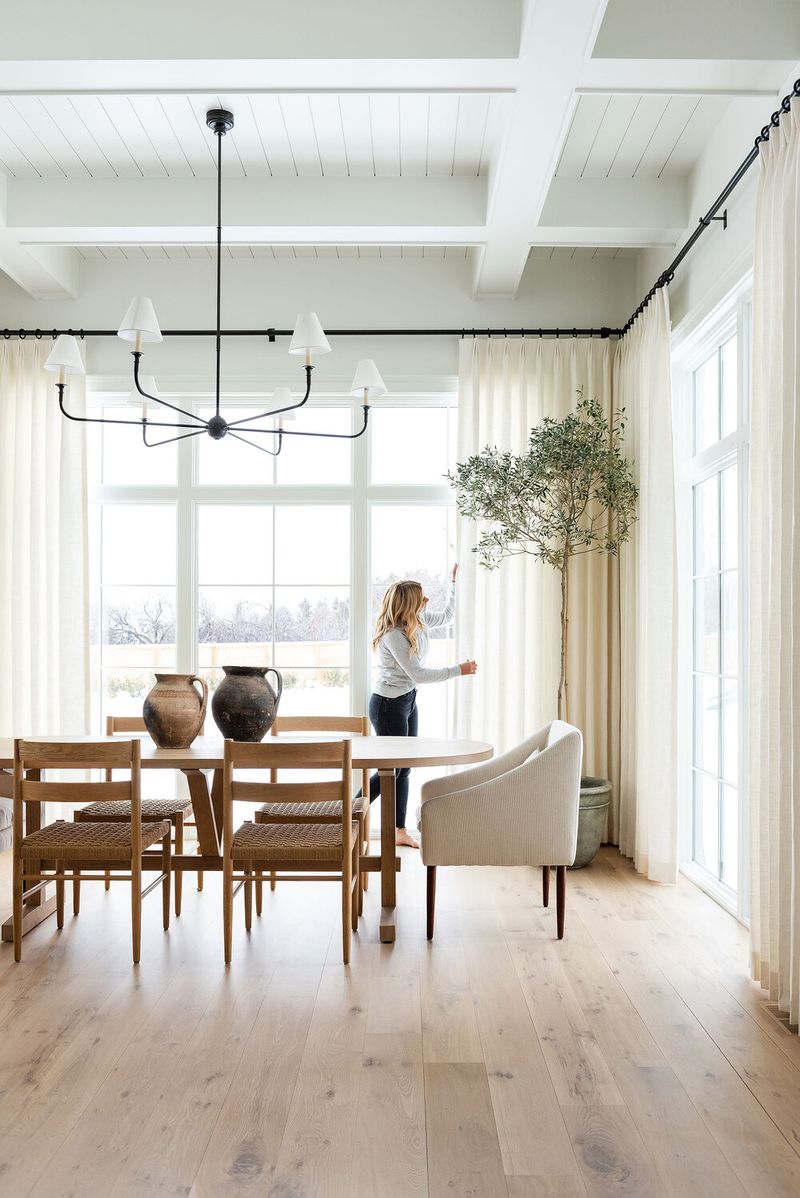
Standard blinds? Not in a professionally decorated space! Custom window treatments that perfectly fit the windows and complement the room’s design are hallmarks of expert decorating.
Professional decorators understand that windows frame your view of the outside world while simultaneously functioning as wall art. They select fabrics, hardware, and styles that enhance the room’s proportions and aesthetic.
6. Artisanal Lighting Statements
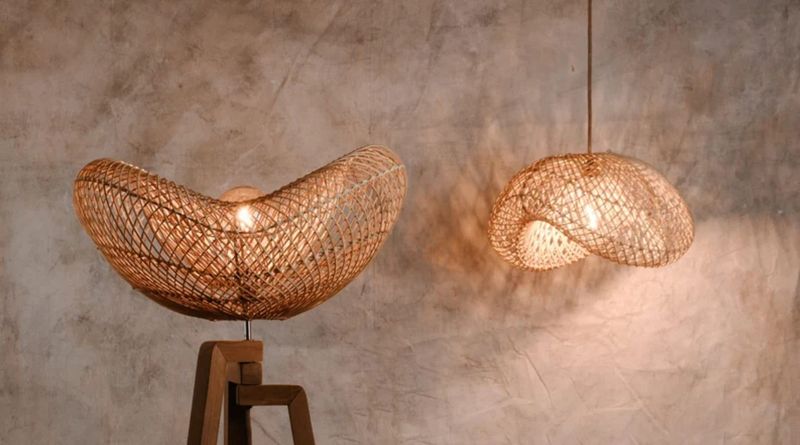
“Where did you find that amazing light fixture?” If you’re asking this question, you’re probably in a professionally decorated space. Unique, often handcrafted lighting pieces serve as functional art in expertly designed rooms.
Professional decorators hunt down sculptural pendants, artistic sconces, or statement floor lamps that transform spaces even when switched off. The most telling sign? The fixture seems perfectly scaled for the space—neither too big nor too small—and creates exactly the right mood when illuminated.
7. Curated Color Confidence
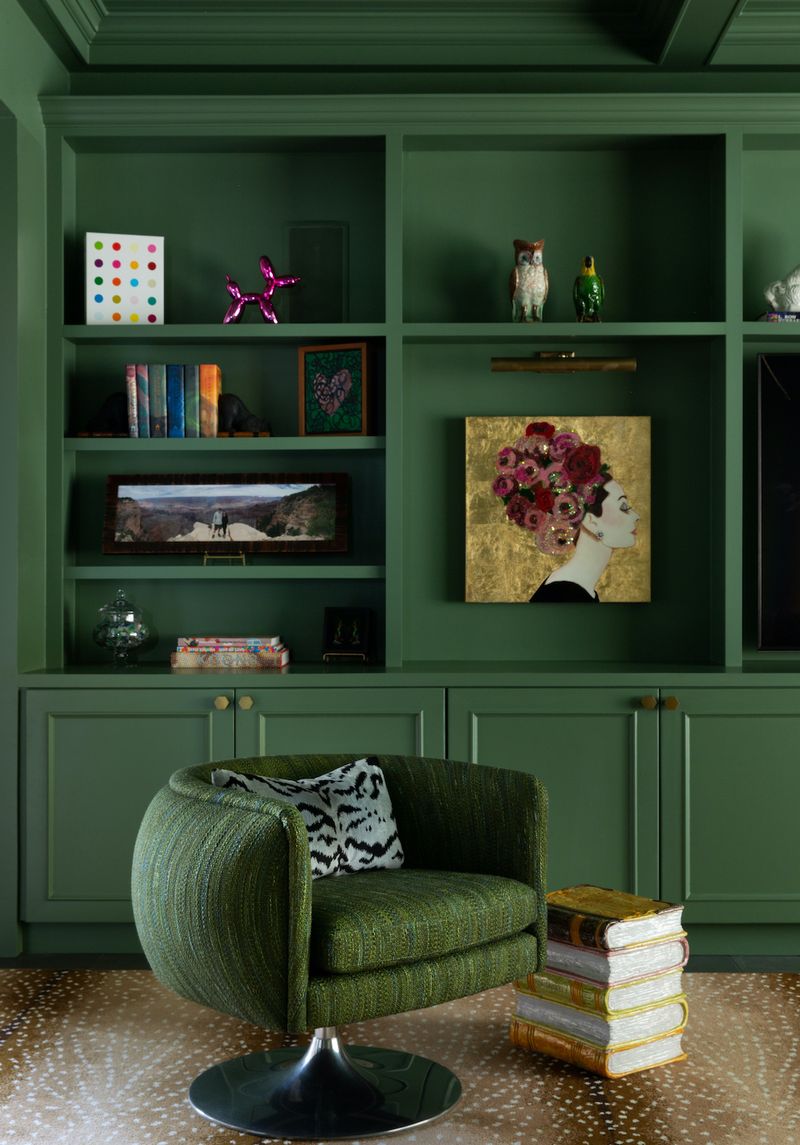
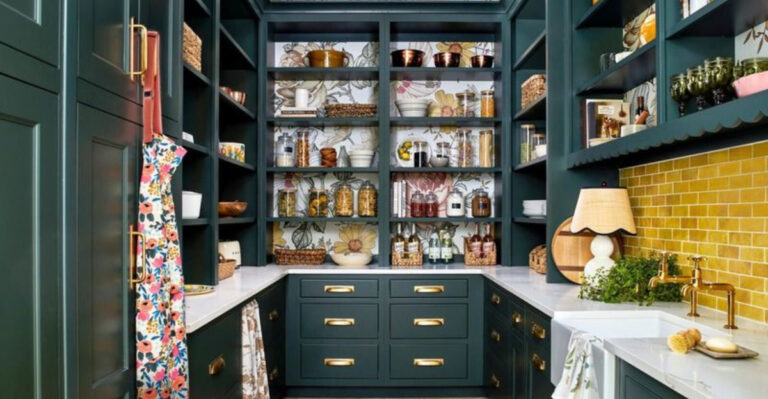
Forget matching paint chips to furniture! Professional decorators display remarkable color confidence that goes beyond obvious combinations. They might pair mustard yellow with navy and burgundy, or blend five shades of green in one space.
The secret isn’t following color wheel rules—it’s understanding undertones and creating cohesive palettes that feel intentional rather than random. Pros often incorporate unexpected pops of color in surprising places: the inside of a bookshelf, the back of a door, or the underside of a table.
8. Multi-Sensory Design Elements
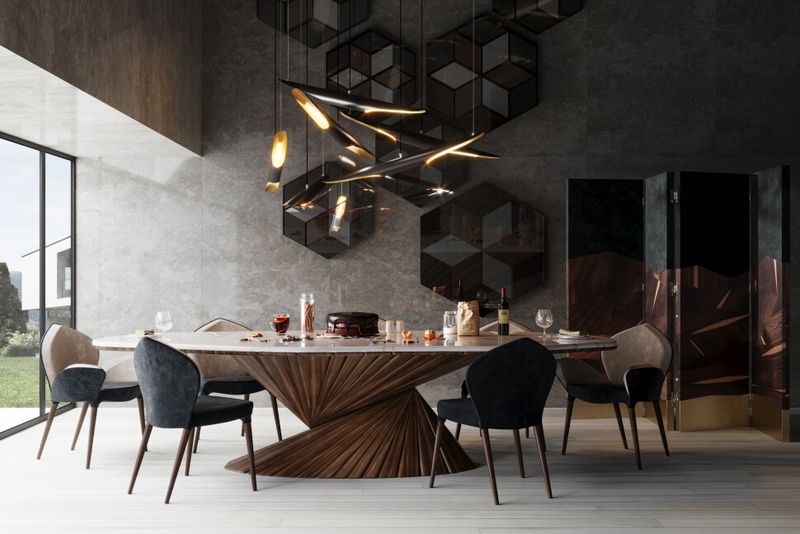
Professional decorators design for all five senses, not just sight! That subtly scented candle, the textured throw that begs to be touched, the acoustic considerations that make conversation easy—these sensory details reveal expert hands.
While amateur decorators focus primarily on how things look, professionals consider how spaces feel, sound, smell, and even taste (in dining areas). They might incorporate water features for soothing sounds, tactile wall coverings for touch interest, or aromatic plants for natural fragrance.