17 Reasons Why the 3-5-7 Rule Makes Any Space Feel More Visually Engaging And Appealing
Ever wondered why some rooms just feel right while others seem off-balance? The secret might be the 3-5-7 Rule, a simple design principle that guides how objects are arranged in a space.
By grouping items in odd numbers (particularly 3, 5, or 7), designers create spaces that feel natural, balanced, and visually exciting. Exploring why this seemingly simple rule packs such a powerful punch in interior design reveals its lasting impact.
1. Balanced Visual Rhythm
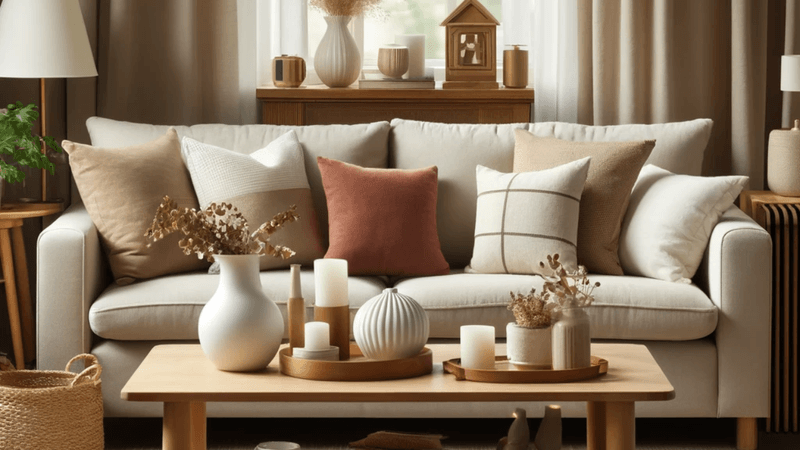
Odd numbers establish a natural flow that catches the eye without feeling forced. When objects are arranged in groups of 3, 5, or 7, your brain registers a pattern that feels intentional yet relaxed.
Walking into a room with balanced visual rhythm feels like listening to your favorite song – everything just works together harmoniously.
2. Limits Clutter
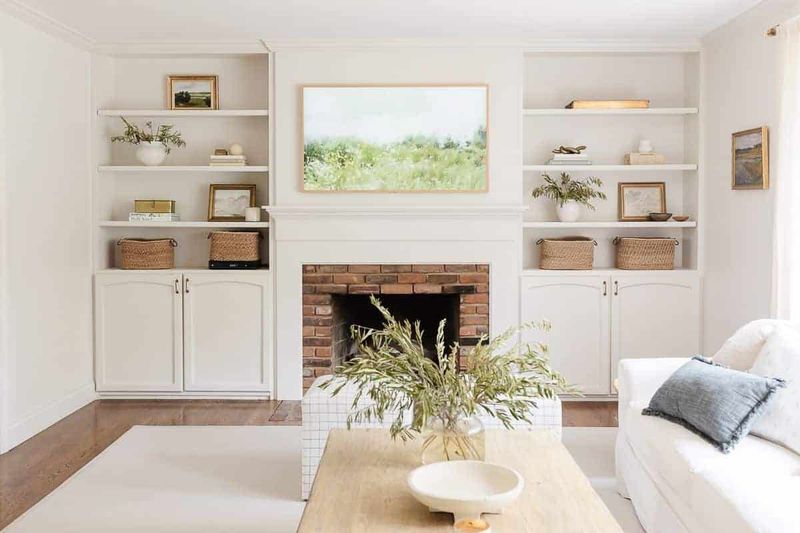
Setting boundaries with the 3-5-7 rule prevents overcrowding. Instead of filling every surface with knickknacks, you’ll thoughtfully select just enough pieces to create interest.
Magical things happen when you embrace restraint in decorating! Rooms breathe easier, cleaning becomes simpler, and each item gets its moment to shine.
3. Layers Textures
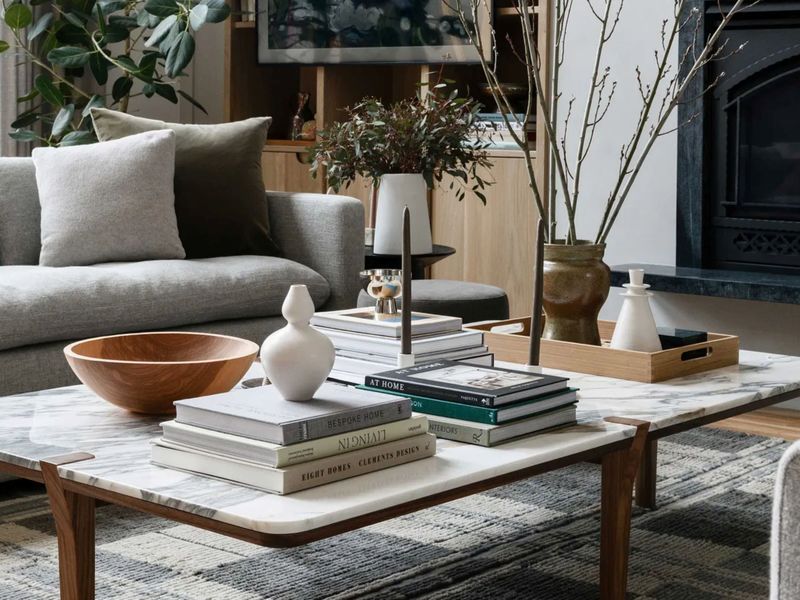
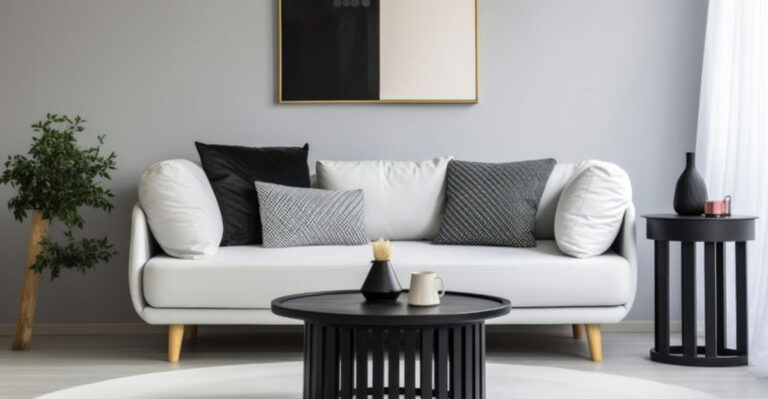
Combining different textures in odd-numbered groups creates sensory richness. Picture three throw pillows: one velvet, one knitted, one linen – instantly more interesting than matching sets!
Our fingertips and eyes crave variety. By deliberately layering contrasting textures according to the 3-5-7 rule, spaces become touchably inviting rather than flat and forgettable.
4. Mixes Sizes Effectively
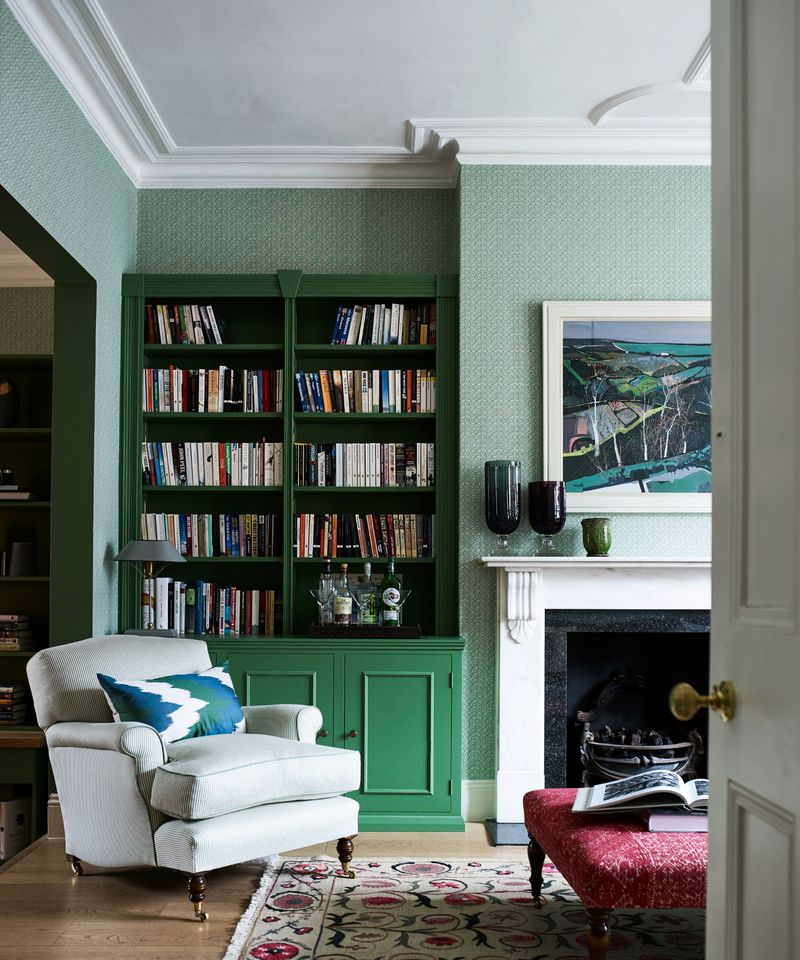
Varying object sizes within your groupings creates visual intrigue. A tall vase flanked by medium candlesticks and small trinkets forms a pleasing arrangement that draws the eye naturally across different heights.
Just like a good movie needs characters of different importance, your decor thrives with a mix of statement pieces and supporting elements arranged in odd-numbered groups.
5. Distributes Color Evenly
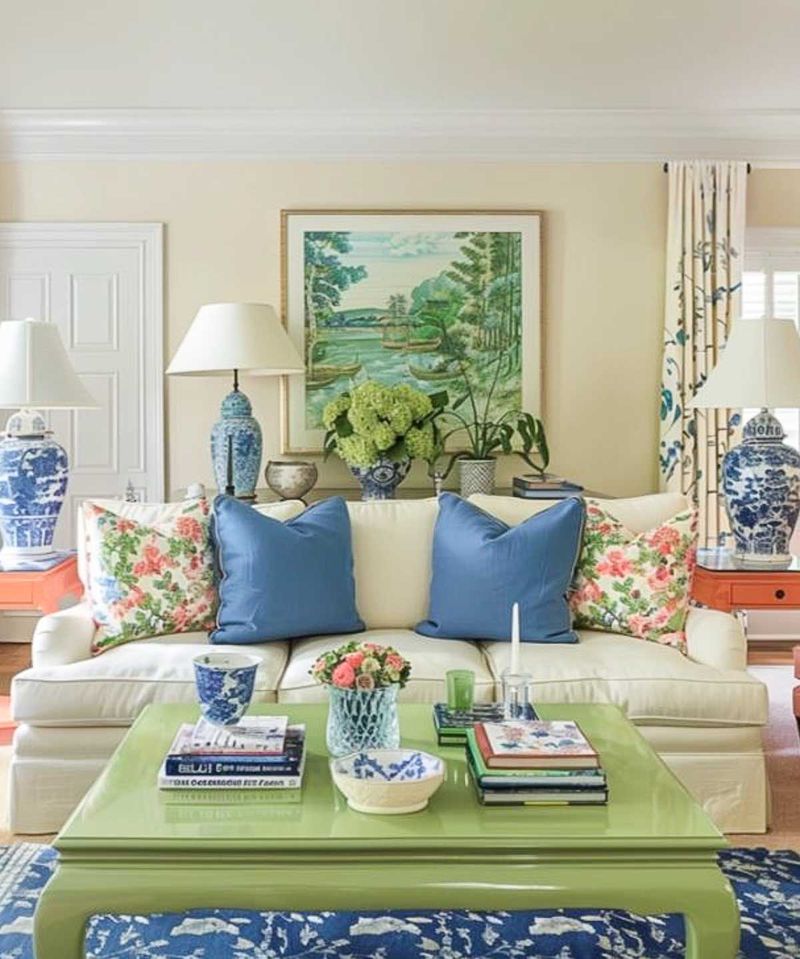
Color distribution becomes intuitive with the 3-5-7 approach. Imagine five blue accents strategically placed around a room – they start a cohesive color story without overwhelming the space.
Like stars in a constellation, colors placed according to this rule form connections across a room. Your eyes naturally follow these color touchpoints, making the entire space feel thoughtfully designed.
6. Adds Depth with Height
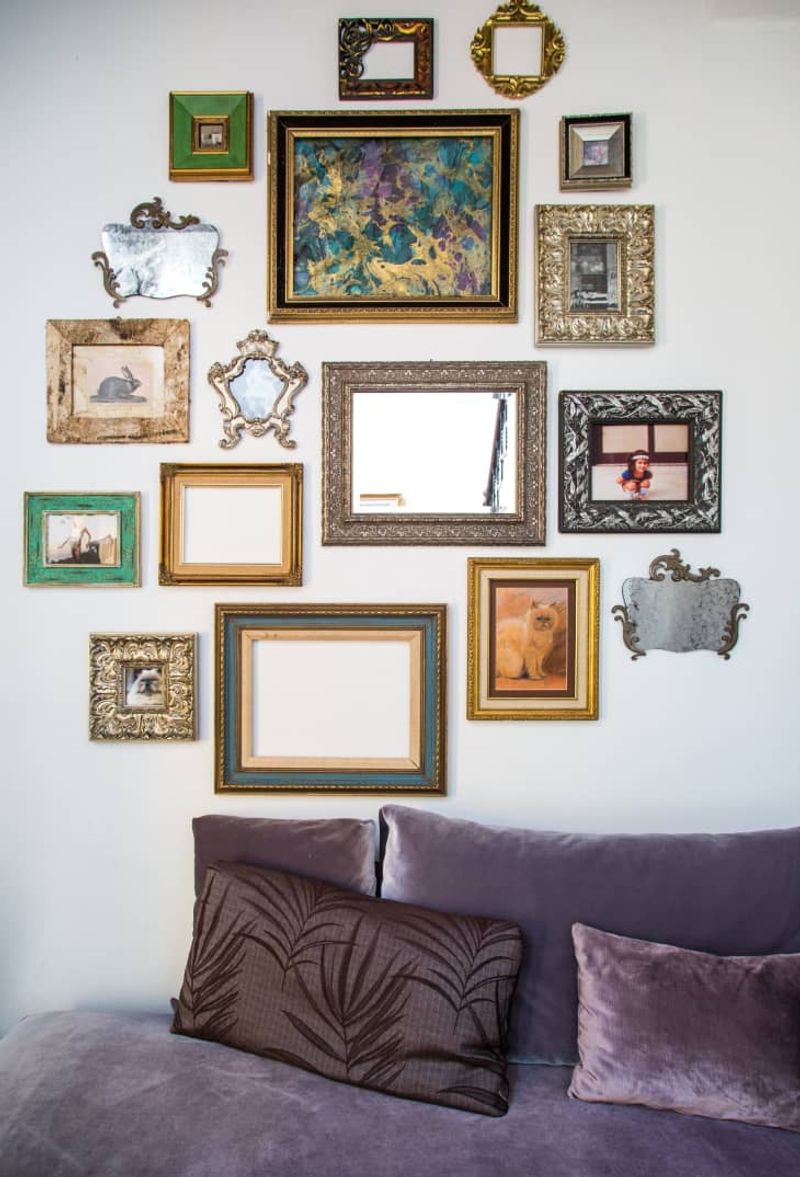
Playing with vertical space transforms flat arrangements into dynamic compositions. Seven picture frames arranged at varying heights make a wall display with unexpected depth and dimension.
Flat arrangements feel boring to our brains! By incorporating height variations within your odd-numbered groupings, you create visual journeys that encourage exploration rather than just a quick glance.
7. Thoughtful Styling
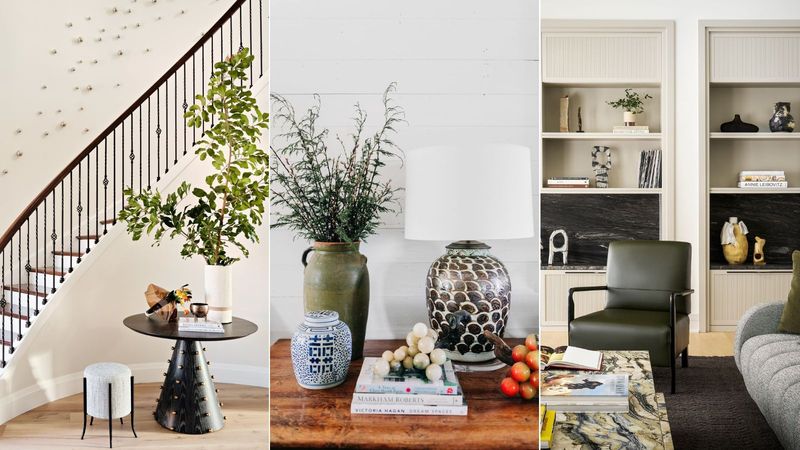
Intentional arrangement elevates ordinary objects into curated collections. A coffee table styled with three objects—a stack of books, a small plant, and a decorative box—instantly looks purposeful rather than random.
Random placement feels chaotic to our brains! The 3-5-7 rule provides just enough structure to make styling decisions feel confident without becoming rigid or formulaic.
8. Natural Focal Point
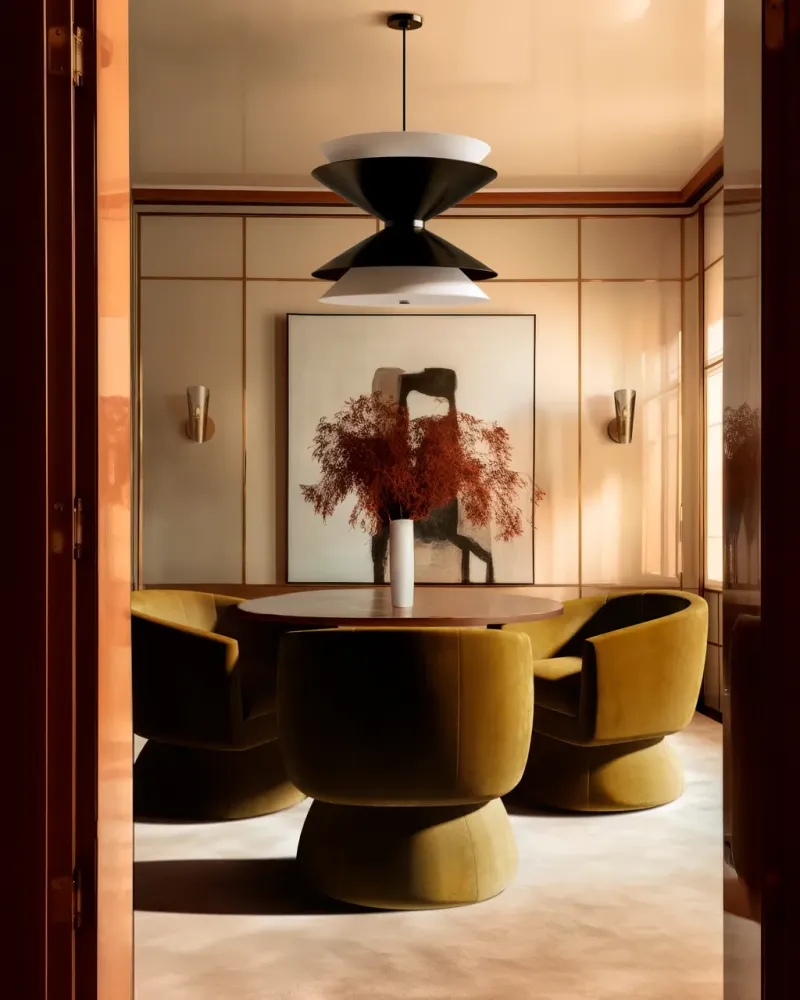
Odd-numbered groupings naturally spark focal points that anchor spaces. Five decorative items on a dining table centerpiece draw attention without overwhelming dinner conversations.
Our eyes instinctively seek centers! By leveraging the 3-5-7 rule, you’re working with human perception rather than against it, making rooms feel immediately welcoming and properly balanced.
9. Enhances Symmetry
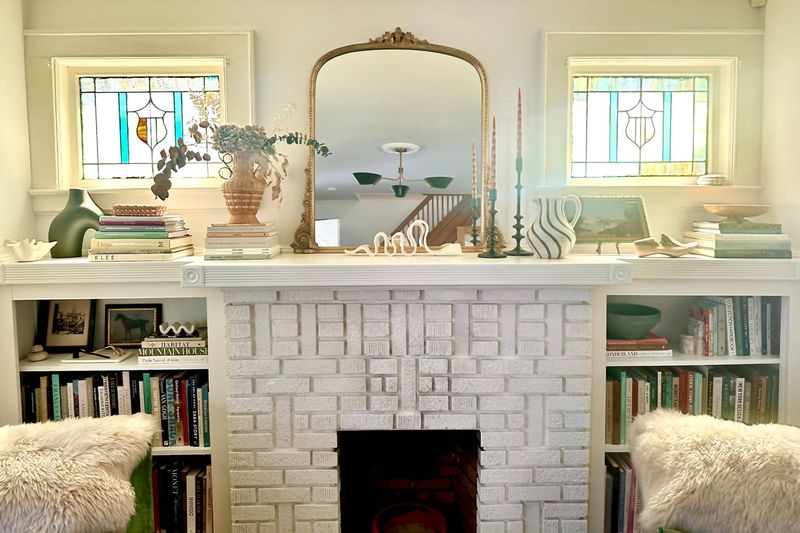
Dynamic symmetry that feels alive emerges from using odd numbers. While perfect symmetry can feel static, arrangements of 3, 5, or 7 items maintain balance while introducing enough variation to keep things interesting.
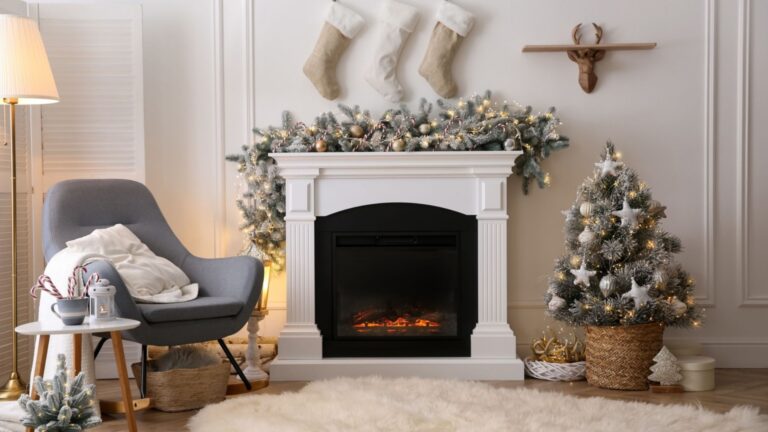
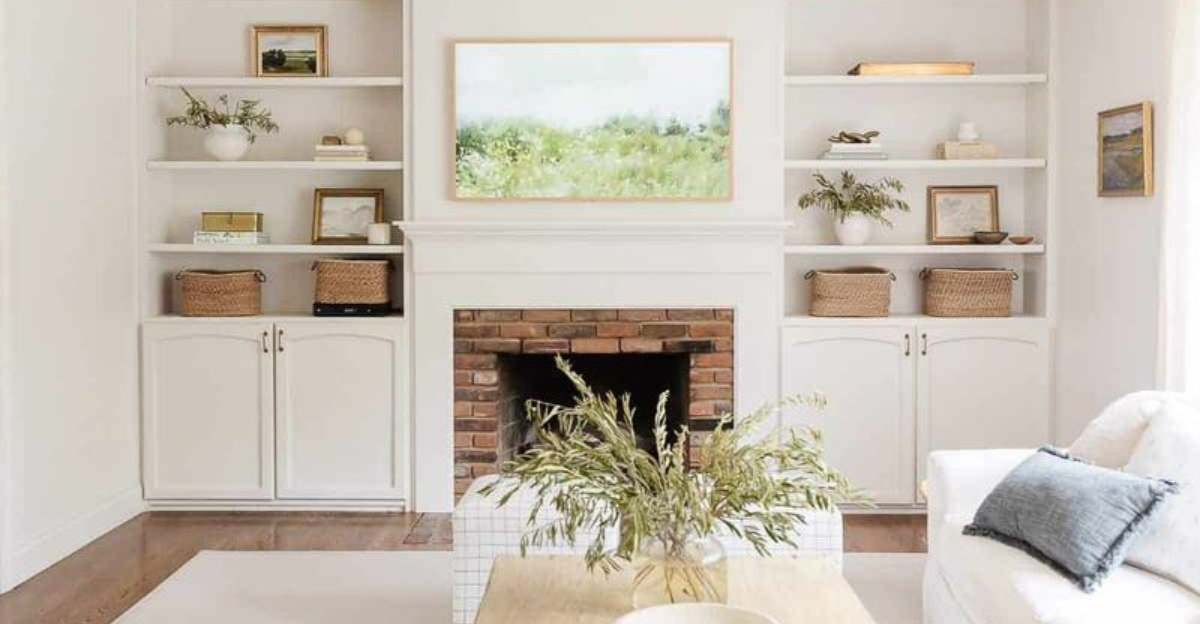
Perfect twins on either side of a mantel? Boring! Asymmetrical balance achieved through the 3-5-7 rule creates spaces that feel sophisticated yet approachable, designed yet not contrived.
10. Simplifies Decisions
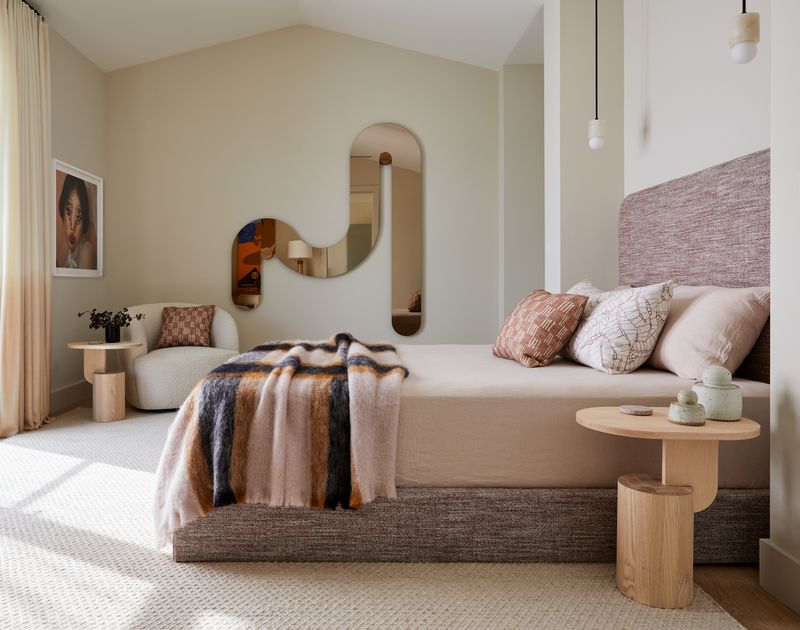
Decision fatigue melts away with this simple numerical guideline. Wondering how many pillows belong on your bed? Try three or five instead of endlessly debating between too many options.
Shopping becomes less overwhelming when you have a framework! Rather than bringing home random decor that never quite works together, the 3-5-7 rule provides gentle boundaries that lead to more satisfying results.
11. Cohesive Grouping
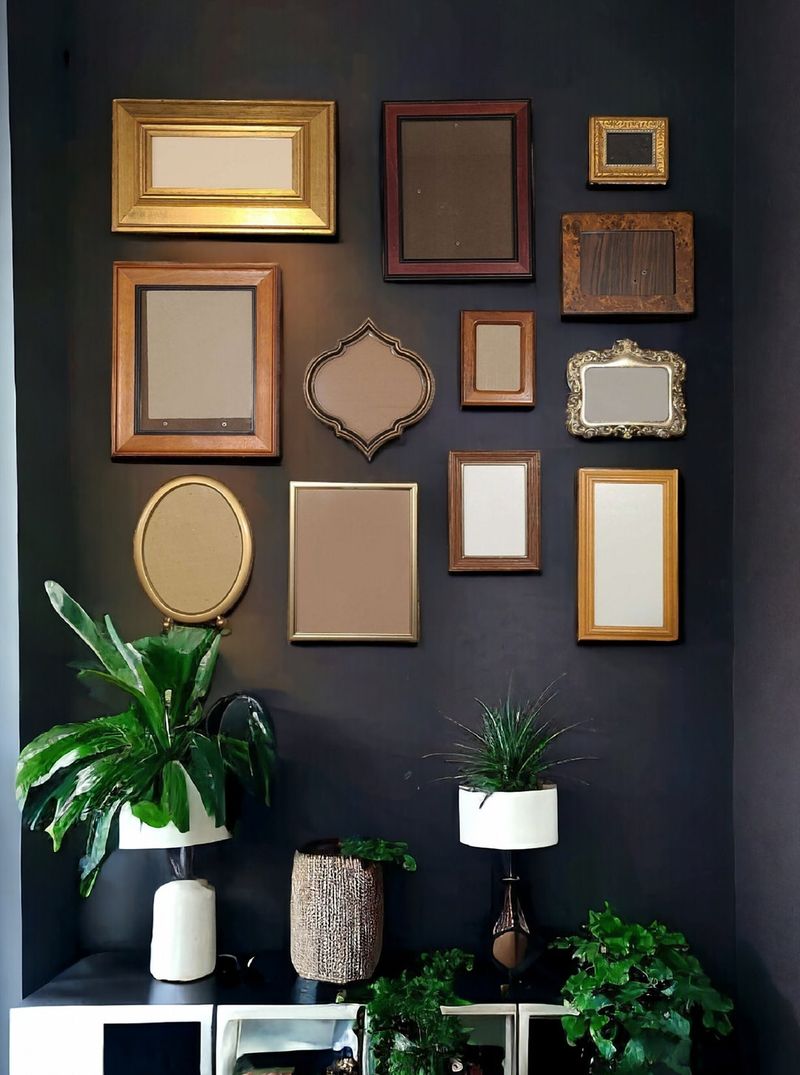
Objects feel purposefully connected when arranged according to this principle. Seven family photos displayed together design a cohesive gallery rather than scattered memories throughout a space.
Standalone items often feel lost or random! By creating intentional groupings following the 3-5-7 rule, even diverse objects develop relationships with each other, telling more compelling visual stories within your space.
12. Invites Playfulness
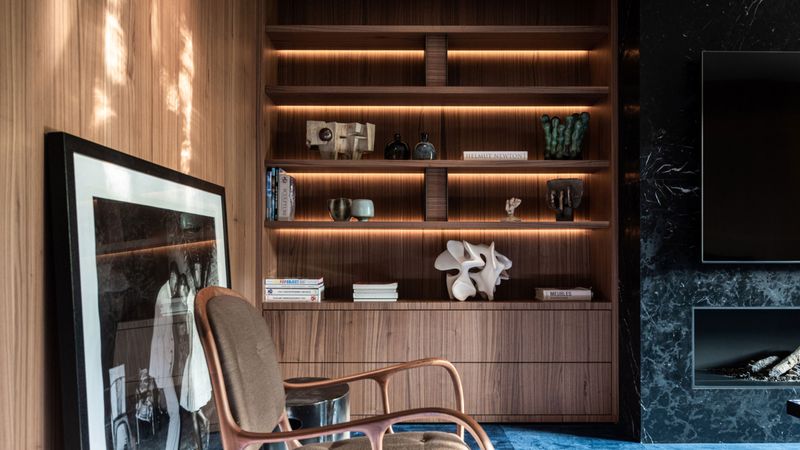
Introducing a touch of whimsy, arrangements in odd numbers prevent spaces from feeling too rigid. Three quirky figurines displayed on a bookshelf add personality without crossing into cluttered territory.
Rooms need moments of joy! By incorporating playful elements in odd-numbered groupings, you maintain design integrity while creating spaces that feel lived-in and personal rather than straight from a catalog.
13. Allows Negative Space
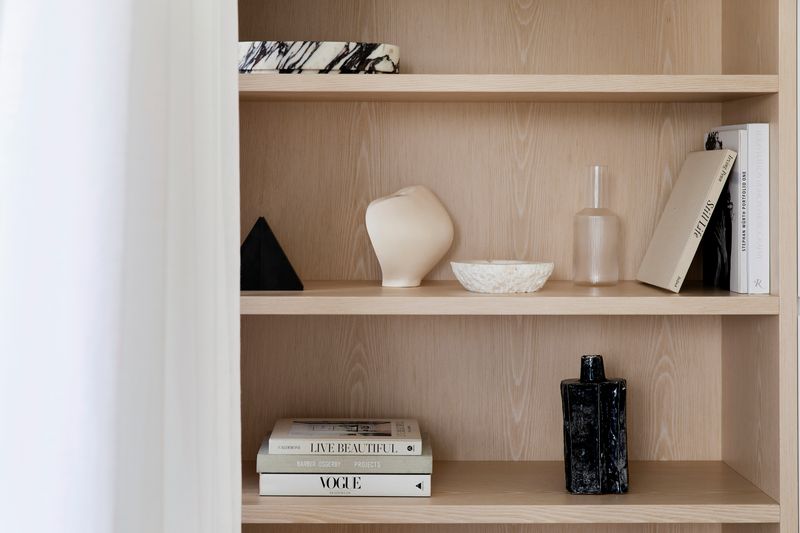
Breathing room becomes part of the design when following the 3-5-7 principle. By limiting groups to odd numbers, you automatically have negative space that allows each item to shine.
Crowded arrangements exhaust the eye! Intentional negative space created through disciplined use of the 3-5-7 rule gives visual relief, making spaces feel more expansive and thoughtfully curated.
14. Builds Interest
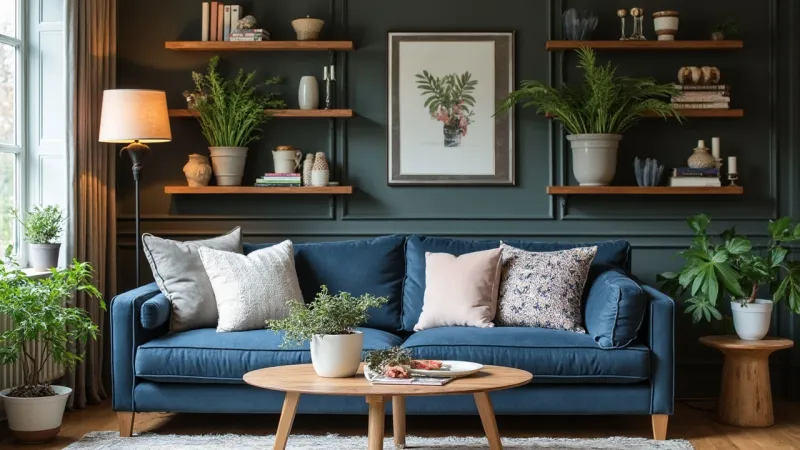
Visual storytelling emerges naturally with odd-numbered arrangements. Five travel souvenirs grouped together compose a more compelling narrative than randomly scattered mementos throughout a room.
Guests gravitate toward these thoughtful displays! By applying the 3-5-7 rule to your collections, you transform ordinary objects into conversation starters that reveal your personality and experiences.
15. Harmonious Flow
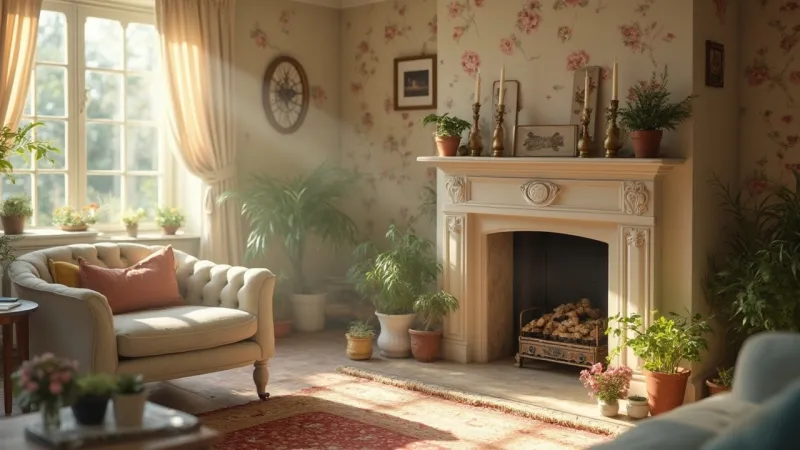
Movement across a space feels natural when guided by the 3-5-7 principle. Imagine three plants of varying heights creating a gentle visual pathway through a room corner.
Abrupt transitions disrupt the eye’s journey! By strategically placing odd-numbered groupings throughout a space, you make a harmonious flow that guides visitors through rooms with a sense of rhythm and purpose.
16. Repeats Elements
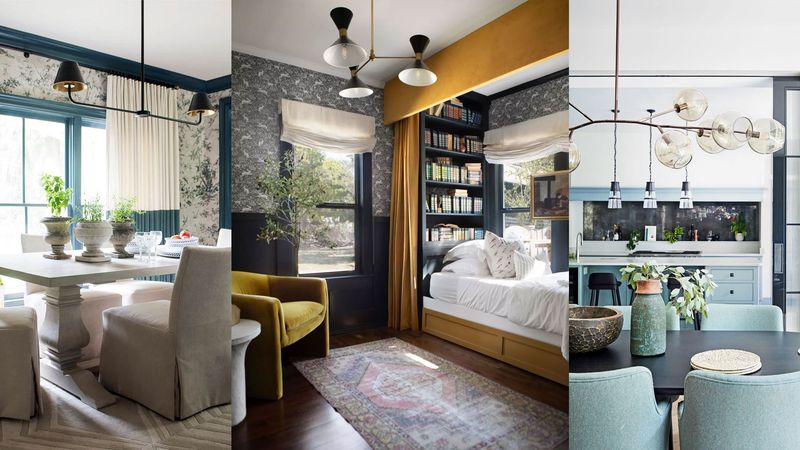
Strategic repetition creates cohesion throughout larger spaces. Using the same color in five different spots creates a unified look without feeling matchy-matchy or contrived.
Our brains crave patterns! By repeating elements in odd-numbered iterations across a room or home, you form subtle connections that make spaces feel intentionally designed rather than randomly assembled.
17. Approachable Decorating
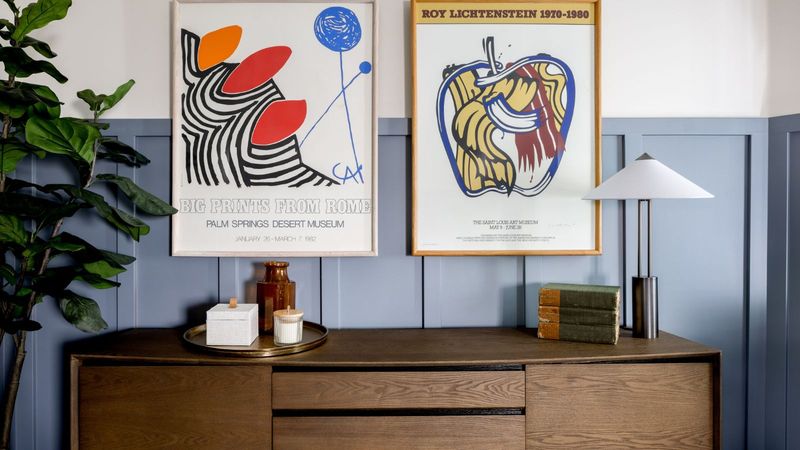
Beginner-friendly guidelines take the mystery out of styling. Anyone can count to 3, 5, or 7, making this rule accessible regardless of design experience or natural talent.
Decorating shouldn’t feel intimidating! By starting with simple numerical groupings, even design novices can develop spaces that feel professionally styled, building confidence for more adventurous design choices down the road.